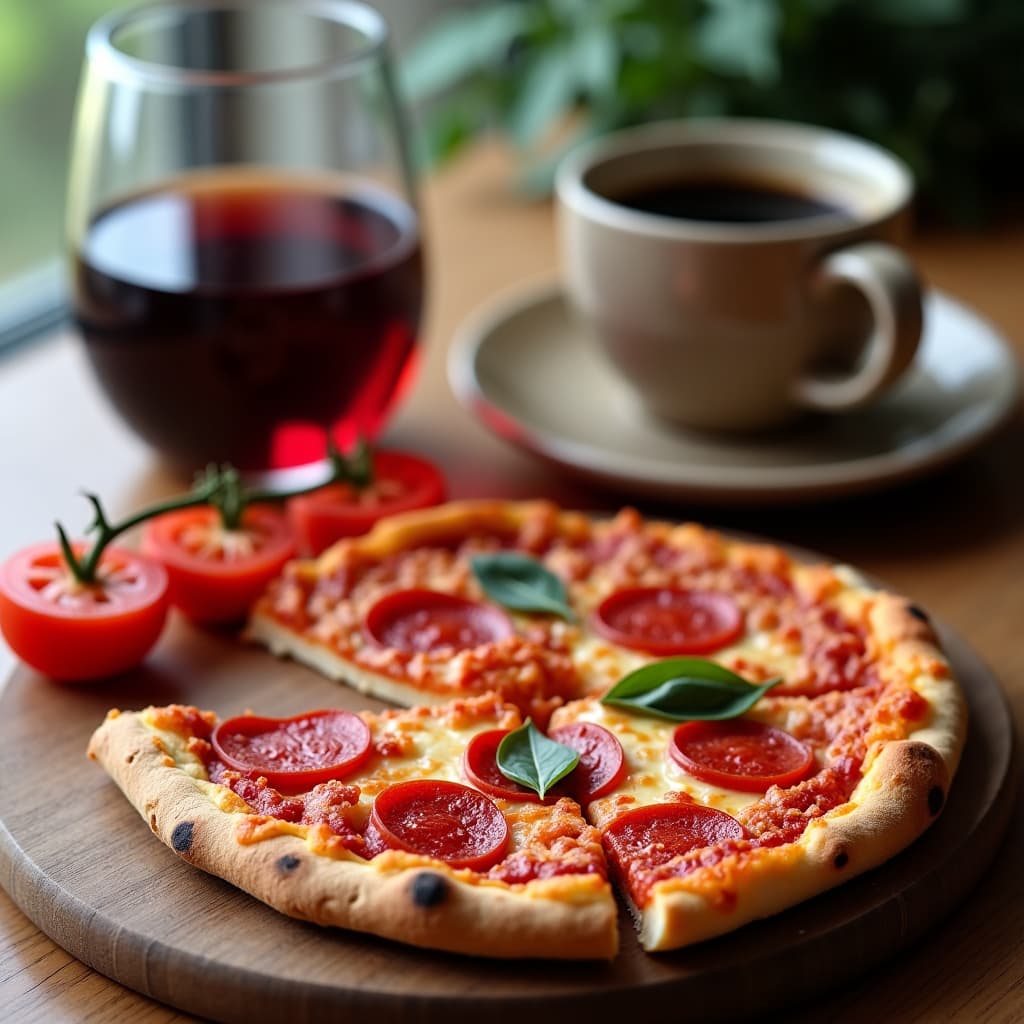
Acid reflux happens when stomach contents flow backward into the esophagus. Roughly 20 percent of American adults deal with it weekly, and for most of them, diet is the biggest lever. Specific foods relax the lower esophageal sphincter, boost acid production, or irritate already-inflamed tissue.
The short version: fried foods, tomato, citrus, chocolate, coffee, alcohol, mint, garlic, onions, and carbonated drinks are the top triggers. But trigger patterns are personal, and systemic inflammation amplifies how strongly your esophagus reacts to any of them.
How Food Triggers Acid Reflux
The lower esophageal sphincter (LES) is a muscular valve between the esophagus and stomach. When it works correctly, food goes down and stays down. When it relaxes at the wrong time, stomach contents rise. Foods cause reflux through three main mechanisms:
LES relaxation. High-fat foods, chocolate, caffeine, alcohol, peppermint, and certain hormones in foods signal the LES to open. This is the most common mechanism and usually the fastest trigger.
Gastric acid production. Spicy foods, citrus, tomato, and coffee stimulate acid secretion. More acid means more burn when the LES does open.
Direct irritation. Acidic foods (pH under 4) irritate already-inflamed esophageal tissue. If chronic reflux has damaged your esophagus, these foods hurt on contact, independent of whether they caused new reflux.
A 2022 study in the American Journal of Gastroenterology tracked GERD patients and found that those eating pro-inflammatory diets (high Dietary Inflammatory Index scores) had significantly worse symptoms and more esophageal damage on endoscopy than those eating anti-inflammatory diets. The link suggests systemic inflammation weakens esophageal defenses beyond what acid exposure alone explains.
The Top Foods That Cause Acid Reflux
Fried and High-Fat Foods
Fat slows gastric emptying. Food sits longer in your stomach, producing more acid over a longer window. Fat also directly relaxes the LES. French fries, fried chicken, creamy pasta, pizza, and fatty cuts of meat are among the most reliable reflux triggers.
A 2021 prospective study in Neurogastroenterology and Motility found that meals exceeding 30 percent of calories from fat triggered reflux 78 percent more often than lower-fat meals.
Smarter swap: Bake, grill, or steam instead of frying. Use olive oil in moderation. Trim visible fat from meats.
Tomatoes and Tomato Products
Tomatoes are highly acidic (pH 3.5 to 4.5). Concentrated tomato products like pasta sauce, pizza sauce, ketchup, and salsa are worse than raw tomatoes because the acid is concentrated and often cooked with added fats.
Smarter swap: Pesto or olive oil-based sauces. Roasted red pepper sauce has a less aggressive pH. If you cannot give up tomato, eat it with fats and proteins that slow absorption, and not on an empty stomach.
Citrus Fruits and Juices
Oranges, grapefruits, lemons, and limes sit at pH 2 to 3. Orange juice is one of the most consistent reflux triggers in clinical surveys. The acid irritates esophageal lining directly and stimulates extra acid secretion downstream.
Smarter swap: Bananas (pH 5 to 5.3) and melons are naturally low-acid. Apples (non-green) and pears work well. Berries are acidic but typically better tolerated because they contain less citric acid.
Chocolate
Chocolate relaxes the LES through three compounds: theobromine, caffeine, and fat. A 2019 systematic review in Alimentary Pharmacology and Therapeutics listed chocolate as one of the top five dietary GERD triggers by patient report.
Smarter swap: Small portions of dark chocolate (70 percent cocoa, one to two squares) trigger less than milk chocolate. Carob is a theobromine-free alternative.
Coffee and Caffeinated Drinks
Caffeine stimulates gastric acid secretion and relaxes the LES. Coffee also contains chlorogenic acids that further raise stomach acidity. Both regular and decaf coffee contain chlorogenic acids, but regular is worse due to caffeine.
Smarter swap: Limit to one cup in the morning with food. Try cold brew, which is less acidic due to slower extraction. Green tea is milder but still contains some caffeine.
Alcohol, Especially Beer and Wine
Alcohol relaxes the LES within minutes. Beer is particularly bad because it is carbonated, increasing stomach pressure. Red wine is more acidic than white and a common trigger. Spirits are variable, often tolerated better with mixers that are not citrus or cola.
Smarter swap: Limit alcohol entirely during an active flare. If you drink long-term, stick to one serving with food, avoid beer, and choose white wine over red if either triggers you.
Peppermint and Spearmint
Mint has a well-documented LES-relaxing effect. Peppermint tea, mint gum, and mint-flavored candies can all trigger reflux in susceptible people. Many people with chronic reflux find mint tea surprisingly worsens their symptoms despite its soothing reputation.
Smarter swap: Ginger tea or chamomile tea instead.
Garlic and Onions
Both are common trigger foods, though tolerance varies widely. Raw is worse than cooked. Onions contain fructans that can ferment in the gut and produce gas, which increases abdominal pressure and promotes reflux. Garlic has a similar effect plus a sulfur compound that may directly relax the LES.
Smarter swap: Use garlic-infused olive oil, which has the flavor without the fructans. Try leeks or chives in small amounts if onions bother you.
Carbonated Drinks
Soda, sparkling water, and beer all increase stomach gas. More gas means more pressure, and more pressure means more reflux. The effect is mechanical and usually noticeable within 30 minutes. Diet soda is no better because the carbonation is the problem, not the sugar.
Smarter swap: Still water, unsweetened iced tea, or herbal tea.
Spicy Foods
Capsaicin (the compound in chili peppers) slows gastric emptying and irritates already-inflamed esophagus. Not everyone with reflux reacts to spicy foods, but if you already have esophageal damage, spice amplifies the pain of every subsequent reflux episode.
Smarter swap: Use herbs (basil, oregano, thyme) instead of chili for flavor. Black pepper is usually tolerated.
Inflammation Score Breakdown
On the Inflamous scale:
- Fried foods: severely inflammatory (score 8 to 9)
- Soda and sugary drinks: severely inflammatory (score 9)
- Alcohol, especially beer: severely inflammatory (score 7 to 8)
- Chocolate (milk): moderately inflammatory (score 6)
- Tomato sauce: neutral to mildly inflammatory (score 3 to 4)
- Citrus: anti-inflammatory (score -4), but high-acid
- Coffee: mildly anti-inflammatory (score -3)
Note: citrus and coffee are anti-inflammatory systemically but can still irritate an inflamed esophagus. The Inflamous scale measures systemic inflammatory load, not esophageal tolerance.
Anti-inflammatory reflux-friendly foods score strongly positive:
- Oatmeal: score -5
- Bananas: score -4
- Leafy greens: score -6
- Ginger: score -7
- Melons: score -4
Practical Tips for Reflux Management
Dietary changes matter, but timing and behavior matter just as much.
Eat smaller, more frequent meals. Large meals distend the stomach and increase reflux probability. Aim for 4 to 5 smaller meals instead of 2 to 3 large ones.
Stop eating 3 hours before bed. Lying down with a full stomach is reflux's best friend. The LES is less effective when you are horizontal.
Elevate the head of your bed. A 6-inch raise on the headboard side (not just extra pillows) uses gravity to your advantage all night.
Lose weight if needed. Even 5 to 10 pounds of abdominal fat meaningfully increases reflux risk. Visceral fat pushes up on the stomach.
Wait 30 minutes after meals before exercise. Vigorous activity too soon after eating is a common missed trigger.
Chew thoroughly. Saliva buffers acid. Slower, more complete chewing helps.
Track trigger foods for 2 weeks. Keep a food and symptom log. Most patterns emerge within 14 days of honest tracking.
Sample Day for Reflux-Friendly Eating
Breakfast: Oatmeal with sliced banana and a drizzle of honey. Chamomile tea.
Mid-morning: Apple slices with almond butter.
Lunch: Grilled chicken salad with mixed greens, cucumber, carrots, avocado, and olive oil (skip the tomato and citrus dressing). Water.
Afternoon snack: Plain yogurt with blueberries.
Dinner: Baked salmon, roasted sweet potato, steamed green beans. Finished 3 hours before bed.
Evening: Ginger tea if needed for digestion.
This template avoids all major triggers while providing solid anti-inflammatory support.
Frequently Asked Questions
How quickly does food trigger reflux? Most food-triggered reflux starts within 30 to 60 minutes of eating. Some triggers (chocolate, high-fat meals) can cause reflux 2 to 4 hours later as the stomach continues to process.
Is milk good or bad for acid reflux? Mixed. Whole milk contains fat that can relax the LES. Skim milk is usually tolerated. Plant-based alternatives like almond milk are often better tolerated than dairy.
Does drinking water during meals help or hurt? Small sips help by diluting acid. Large volumes can overfill the stomach and increase reflux probability. Drink most of your water between meals.
Can probiotics help GERD? Some evidence supports probiotics for functional GERD, particularly strains like Lactobacillus gasseri and Bifidobacterium longum. Fermented foods like kefir and sauerkraut are worth trying, but watch for tomato or vinegar content.
Are bananas always safe for reflux? Most people with reflux tolerate bananas well, but about 10 percent find ripe bananas worsen their symptoms. If bananas do not agree with you, try other low-acid fruits like melons, pears, or apples.
Track Your Reflux Triggers with Inflamous
Generic trigger lists get you started, but your personal pattern is what matters. One person burns after a single sip of orange juice. Another drinks coffee daily with no trouble.
Inflamous lets you log meals, score them by inflammation load, and spot the specific foods that correlate with your symptoms. Download the app and get a clearer picture of what your gut actually wants.
Download Inflamous for iOS and Android.
Related reading: