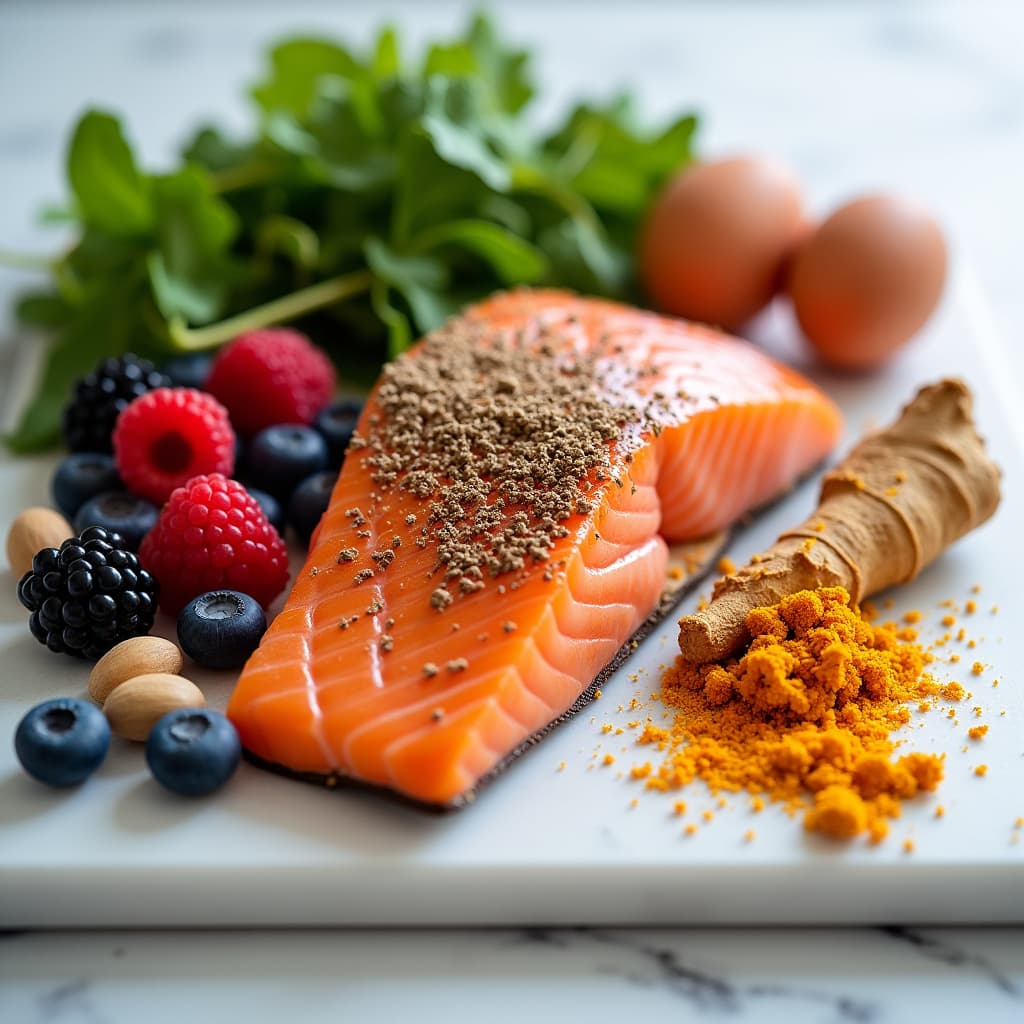
Your thyroid is a butterfly-shaped gland at the base of your neck that controls metabolism, energy, body temperature, heart rate, and dozens of other functions. When it is inflamed or underperforming, everything slows down: you feel tired, gain weight, get cold easily, and think through fog.
The most common cause of thyroid dysfunction in developed countries is autoimmune thyroiditis (Hashimoto's disease), which affects roughly 5 percent of Americans and is 7 times more common in women. Because autoimmune thyroid disease is fundamentally an inflammatory condition, what you eat directly influences how your thyroid functions.
The Inflammation-Thyroid Connection
Hashimoto's thyroiditis involves the immune system attacking thyroid tissue, gradually destroying it over years. This process is driven by inflammation: elevated pro-inflammatory cytokines (TNF-alpha, IL-6, IL-1beta), increased oxidative stress, and disrupted immune regulation.
Even in non-autoimmune hypothyroidism, inflammation plays a role. A 2022 study in Thyroid Research found that patients with subclinical hypothyroidism had elevated CRP and IL-6 levels compared to euthyroid controls, suggesting a bidirectional relationship: inflammation impairs thyroid function, and poor thyroid function increases inflammation.
The Dietary Inflammatory Index has been studied in relation to thyroid disease. A 2023 cross-sectional analysis of NHANES data found that participants with the most pro-inflammatory diets (highest DII scores) had significantly higher rates of hypothyroidism and elevated thyroid antibodies compared to those eating anti-inflammatory diets. The association was strongest in women over 40.
Essential Nutrients for Thyroid Function
Before diving into specific foods, understanding the nutrients your thyroid needs is important. The thyroid is unusually nutrient-dependent compared to other organs.
Selenium: The thyroid contains more selenium per gram than any other tissue in the body. Selenium is required for the conversion of T4 (inactive thyroid hormone) to T3 (active form) and protects thyroid cells from oxidative damage. A 2023 meta-analysis in Thyroid found that selenium supplementation reduced thyroid antibody levels (TPO-Ab) by an average of 40 percent in Hashimoto's patients.
Iodine: The raw material for thyroid hormone production. Both deficiency and excess are problematic. Most Americans get adequate iodine from iodized salt, dairy, and seafood. Supplementing beyond dietary needs can actually worsen autoimmune thyroiditis.
Zinc: Required for thyroid hormone synthesis and T4-to-T3 conversion. A 2022 study in Biological Trace Element Research found that zinc-deficient hypothyroid patients who supplemented zinc had significant improvements in T3 and T4 levels.
Iron: Iron deficiency impairs thyroid peroxidase function, the enzyme that makes thyroid hormones. It is one of the most common overlooked causes of persistent hypothyroid symptoms despite adequate medication.
Vitamin D: Over 90 percent of Hashimoto's patients are vitamin D deficient. Vitamin D modulates immune function and reduces the autoimmune attack on thyroid tissue. A 2021 RCT in Endocrine Connections found that vitamin D supplementation reduced TPO antibodies by 20 percent over 6 months.
The Best Anti-Inflammatory Foods for Thyroid Health
Brazil Nuts (Selenium Powerhouse)
Just 1 to 2 Brazil nuts per day provide your entire daily selenium requirement (55 to 200 mcg). No other food comes close to this selenium density. Because selenium both supports thyroid hormone conversion and reduces thyroid inflammation, Brazil nuts are the single highest-impact thyroid food.
Do not overdo it. More than 3 to 4 Brazil nuts daily can lead to selenium toxicity (selenosis). Stick to 1 to 2 per day.
Fatty Fish
Salmon, sardines, mackerel, and herring provide three thyroid benefits simultaneously: omega-3 fatty acids that reduce inflammation, vitamin D that modulates autoimmunity, and selenium that supports hormone conversion.
A 2022 prospective study in European Journal of Nutrition found that higher fish consumption was associated with lower thyroid antibody levels and better thyroid function in women with Hashimoto's. The effect was dose-dependent, with 3 or more servings per week showing the strongest benefit.
Bone Broth
Bone broth provides glycine and proline, amino acids that support gut barrier integrity. Because intestinal permeability ("leaky gut") is strongly associated with autoimmune thyroid disease (a 2023 study in Autoimmunity Reviews found increased intestinal permeability in 73 percent of Hashimoto's patients), healing the gut is central to reducing thyroid inflammation.
Bone broth also provides easily absorbed minerals (calcium, magnesium, phosphorus) that support overall metabolic function.
Seaweed (in Moderation)
Seaweed (nori, kelp, wakame, dulse) is a natural source of iodine and other trace minerals. For people with mild iodine insufficiency, moderate seaweed consumption supports thyroid hormone production.
The key word is moderate. Kelp supplements or large daily seaweed portions can provide excessive iodine (some kelp supplements contain 2,000+ mcg per serving, far above the 150 mcg daily requirement), which can worsen autoimmune thyroiditis. A few sheets of nori with sushi or a small portion of wakame in miso soup is appropriate.
Berries and Colorful Fruits
Blueberries, strawberries, cherries, and other deeply colored fruits are rich in anthocyanins and other polyphenols that reduce oxidative stress. The thyroid is particularly vulnerable to oxidative damage because thyroid hormone production generates hydrogen peroxide as a byproduct.
A 2022 study in Free Radical Biology and Medicine found that patients with Hashimoto's had significantly higher markers of oxidative stress in thyroid tissue. Dietary antioxidants from berries help neutralize this oxidative burden.
Leafy Greens
Spinach, kale, Swiss chard, and other leafy greens provide folate, magnesium, iron, and vitamin C, all of which support thyroid function. Magnesium is often overlooked: it is required for proper TSH signaling and T4-to-T3 conversion.
A note on goitrogens: raw cruciferous greens (kale, broccoli, cabbage, Brussels sprouts) contain goitrogens, compounds that can interfere with iodine uptake by the thyroid. Cooking reduces goitrogen content by 60 to 90 percent. Unless you are eating enormous amounts of raw cruciferous vegetables daily and have iodine deficiency, cooked cruciferous vegetables are safe and beneficial.
Extra Virgin Olive Oil
Olive oil provides oleocanthal (a natural anti-inflammatory compound) and polyphenols that reduce systemic inflammation. Because Hashimoto's is driven by chronic inflammation, making olive oil your primary cooking fat supports thyroid health indirectly by lowering the overall inflammatory burden.
Fermented Foods
Fermented foods (yogurt, kefir, sauerkraut, kimchi, miso) support gut microbiome diversity, which is critical for thyroid health. The gut-thyroid axis is well-established: gut bacteria influence thyroid hormone metabolism, nutrient absorption, and immune regulation.
A 2023 study in Frontiers in Endocrinology found that Hashimoto's patients had significantly lower gut microbial diversity compared to healthy controls. Patients who consumed fermented foods daily had lower thyroid antibody levels and better symptom scores.
Turmeric
Turmeric and its active compound curcumin reduce NF-kB activation, a master inflammatory pathway involved in autoimmune thyroid disease. A 2021 pilot study in Phytotherapy Research found that 500 mg curcumin daily for 8 weeks reduced thyroid antibodies and improved thyroid hormone levels in Hashimoto's patients.
Pair turmeric with black pepper (piperine increases curcumin absorption by 2,000 percent) and fat (curcumin is fat-soluble).
Foods to Avoid or Limit for Thyroid Health
Gluten (for Autoimmune Thyroid Patients)
The connection between gluten and Hashimoto's is one of the strongest food-autoimmune links in research. Gliadin (a protein in wheat) has molecular similarity to thyroid tissue, and in genetically susceptible individuals, the immune response to gliadin can cross-react with thyroid tissue (molecular mimicry).
A 2022 meta-analysis in Nutrients found that gluten-free diets reduced thyroid antibody levels (TPO-Ab) by an average of 25 percent in Hashimoto's patients with concurrent celiac disease or gluten sensitivity. For Hashimoto's patients without confirmed celiac, the evidence is less clear but still suggestive. A 3-month gluten-free trial is reasonable.
Excess Soy
Soy isoflavones (genistein, daidzein) can interfere with thyroid peroxidase and inhibit thyroid hormone synthesis, particularly in iodine-deficient individuals. Moderate soy consumption (a few servings per week of whole soy foods like edamame or tempeh) is generally fine for people with adequate iodine. But daily soy milk, soy protein isolate, and soy supplements in large amounts can worsen hypothyroid symptoms.
If you take thyroid medication, separate soy consumption from your medication by at least 4 hours, as soy can interfere with levothyroxine absorption.
Ultra-Processed Foods
Ultra-processed foods drive systemic inflammation, disrupt the gut microbiome, and contain additives that increase intestinal permeability. All three mechanisms worsen autoimmune thyroid disease.
Excess Sugar
Sugar and refined carbohydrates promote insulin resistance, which impairs T4-to-T3 conversion and increases inflammation. Patients with both hypothyroidism and insulin resistance often see thyroid function improve when blood sugar is stabilized through dietary changes.
Excess Alcohol
Alcohol has a direct toxic effect on thyroid cells and disrupts the hypothalamic-pituitary-thyroid axis. Heavy drinking is associated with decreased T3 and T4 levels and increased thyroid volume. Moderate consumption (one drink per day or less) appears to be tolerated by most thyroid patients.
A Sample Anti-Inflammatory Thyroid-Supporting Day
Breakfast: Scrambled eggs cooked in olive oil with spinach and mushrooms. 2 Brazil nuts. Cup of green tea.
Lunch: Sardine salad on mixed greens with avocado, cherry tomatoes, sunflower seeds, and lemon-olive oil dressing.
Snack: Greek yogurt with blueberries and a drizzle of raw honey.
Dinner: Baked salmon with roasted sweet potatoes, steamed broccoli (cooking neutralizes goitrogens), and a side of kimchi.
Evening: Golden milk (turmeric, ginger, black pepper, warmed oat milk, honey).
This day covers selenium (Brazil nuts, fish), omega-3s (salmon, sardines), vitamin D (fish, eggs), zinc (pumpkin seeds), iron (spinach, eggs), antioxidants (berries, greens), and probiotics (yogurt, kimchi).
Practical Tips
- Get your levels tested. Before making major dietary changes, ask your doctor to check TSH, free T3, free T4, TPO antibodies, thyroglobulin antibodies, selenium, vitamin D, iron/ferritin, and zinc. This tells you exactly what to target.
- Prioritize selenium. Two Brazil nuts daily is the easiest high-impact change for thyroid health.
- Cook your cruciferous vegetables. Steaming, roasting, or sauteing reduces goitrogens by 60 to 90 percent while preserving beneficial nutrients.
- Consider a gluten-free trial. If you have Hashimoto's, 3 months gluten-free with before-and-after antibody testing gives you objective data.
- Track your inflammatory intake. Use the Inflamous app to monitor your Dietary Inflammatory Index score alongside thyroid symptoms (energy, weight, mood, temperature sensitivity).
- Time your food around medication. If you take levothyroxine, take it on an empty stomach and wait at least 30 to 60 minutes before eating. Separate calcium, iron, soy, and coffee from your medication by at least 4 hours.
FAQ
Can diet alone fix hypothyroidism?
Diet cannot replace thyroid medication if you have clinical hypothyroidism. However, an anti-inflammatory diet can reduce autoimmune thyroid inflammation (lowering antibody levels), improve T4-to-T3 conversion, and reduce symptoms. Many patients find they need lower medication doses after sustained dietary improvements.
Should I avoid all cruciferous vegetables if I have thyroid problems?
No. Cooking reduces goitrogen content by 60 to 90 percent. Moderate amounts of cooked broccoli, cauliflower, kale, and Brussels sprouts are safe and provide valuable nutrients. Only large amounts of raw cruciferous vegetables consumed daily with concurrent iodine deficiency pose a meaningful risk.
Are Brazil nuts safe to eat every day for thyroid health?
Yes, in small amounts. One to two Brazil nuts daily provides optimal selenium for thyroid function. Do not exceed 3 to 4 per day, as selenium toxicity (selenosis) can occur with chronic high intake. Symptoms of excess include garlic breath, brittle nails, and hair loss.
Does going gluten-free help Hashimoto's?
For Hashimoto's patients with celiac disease or confirmed gluten sensitivity, yes. A meta-analysis found gluten-free diets reduced TPO antibodies by 25 percent in these patients. For Hashimoto's patients without celiac, the evidence is mixed but a 3-month trial with antibody retesting can determine if you personally benefit.
What is the best overall diet pattern for thyroid health?
The Mediterranean diet pattern, rich in fish, olive oil, vegetables, fruits, nuts, and fermented foods, while low in processed foods and refined sugar, has the most evidence supporting thyroid health. It overlaps significantly with a low-DII anti-inflammatory diet.
The Bottom Line
The anti-inflammatory approach to thyroid health focuses on providing the nutrients your thyroid needs (selenium, iodine, zinc, iron, vitamin D) while reducing the autoimmune inflammation that destroys thyroid tissue. Brazil nuts, fatty fish, leafy greens, fermented foods, and turmeric form the foundation. Gluten, excess soy, ultra-processed foods, and excess sugar should be limited, especially if you have Hashimoto's.
Your thyroid cannot function properly in an inflamed body. Lower the inflammation, and your thyroid works better. It is that direct.
Download the Inflamous app to track how your diet affects thyroid symptoms over time.