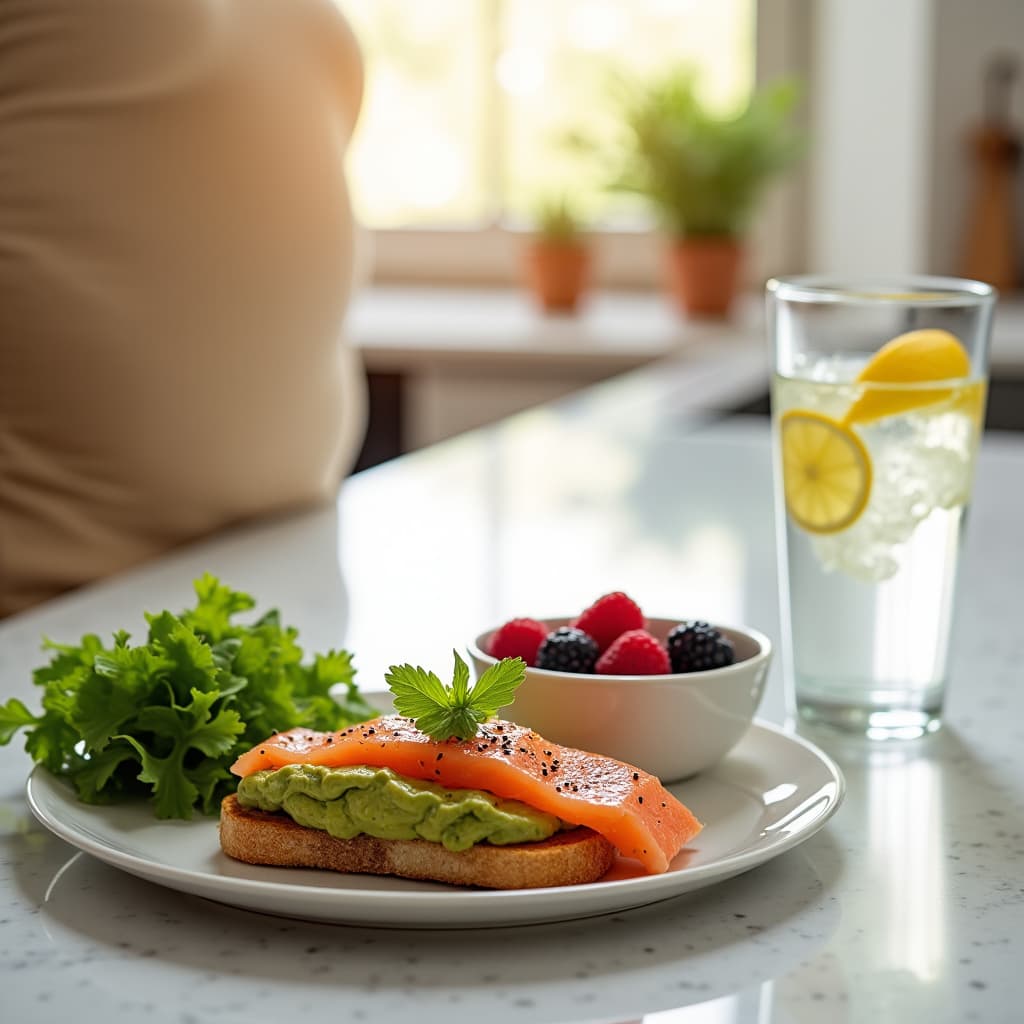
Pregnancy is an inherently inflammatory state. Your immune system shifts to tolerate a genetically foreign being growing inside you, and certain inflammatory markers (CRP, IL-6) naturally rise during the second and third trimesters. This is normal and necessary.
What is not normal is excessive inflammation. When inflammatory markers rise too high, the risk of pregnancy complications increases significantly: preeclampsia, gestational diabetes, preterm birth, low birth weight, and postpartum depression are all associated with elevated maternal inflammation.
Diet is one of the most powerful tools for keeping pregnancy inflammation in a healthy range. The right foods provide the nutrients your baby needs while reducing the inflammatory load that drives complications.
Why Inflammation Matters During Pregnancy
A 2023 systematic review in Placenta analyzed 42 studies and concluded that excessive maternal inflammation is a common mechanism underlying the major pregnancy complications. Elevated CRP in early pregnancy predicted a 2.5-fold increased risk of preeclampsia, a 1.8-fold increased risk of gestational diabetes, and a 1.6-fold increased risk of preterm birth.
The Dietary Inflammatory Index has been studied extensively in pregnant populations. A 2022 meta-analysis in Nutrition Reviews pooling data from 15 cohort studies found that pregnant women eating the most pro-inflammatory diets had:
- 40 percent higher risk of gestational diabetes
- 27 percent higher risk of preeclampsia
- 30 percent higher risk of preterm birth
- 25 percent higher risk of small-for-gestational-age babies
These are substantial risk reductions available through dietary choices alone.
The Best Anti-Inflammatory Foods During Pregnancy
Fatty Fish (with Mercury Considerations)
Salmon (wild-caught), sardines, anchovies, and herring are the best omega-3 sources during pregnancy. DHA is critical for fetal brain and eye development, particularly during the third trimester when brain growth accelerates. EPA reduces maternal inflammation.
A 2022 randomized trial in American Journal of Clinical Nutrition found that pregnant women supplementing with omega-3s had 42 percent lower CRP levels and a significantly reduced risk of preterm birth compared to placebo.
Mercury-safe choices: Salmon, sardines, anchovies, herring, trout, and tilapia are all low-mercury options. Aim for 2 to 3 servings (8 to 12 ounces) per week. Avoid high-mercury fish: shark, swordfish, king mackerel, tilefish, bigeye tuna, and marlin.
Leafy Greens
Spinach, kale, Swiss chard, collard greens, and romaine lettuce provide folate (critical for neural tube development), iron, magnesium, vitamin K, and anti-inflammatory polyphenols.
Folate from food sources (as opposed to synthetic folic acid) is particularly well-absorbed and supports methylation, the biochemical process that regulates gene expression during fetal development. While prenatal vitamins provide folic acid, dietary folate from greens adds an additional protective layer.
Berries
Blueberries, strawberries, raspberries, and blackberries are rich in anthocyanins, vitamin C, and fiber. The antioxidant capacity of berries helps counteract the oxidative stress that naturally increases during pregnancy.
A 2023 study in Journal of Nutrition found that higher maternal berry consumption during the second trimester was associated with lower inflammatory markers and better placental vascularization on ultrasound.
Avocado
Avocados provide monounsaturated fat, folate, potassium, and fiber, hitting multiple pregnancy nutrition targets simultaneously. The potassium content (485 mg per avocado, more than a banana) is particularly relevant because adequate potassium intake helps regulate blood pressure and reduce preeclampsia risk.
A 2022 observational study in Nutrients found that pregnant women who ate avocado regularly had lower inflammatory markers and better glycemic control compared to non-consumers.
Olive Oil
Extra virgin olive oil is the ideal cooking fat during pregnancy. Its oleocanthal content provides anti-inflammatory effects, and its polyphenols support vascular health, which is particularly important as blood volume increases by 30 to 50 percent during pregnancy.
Legumes
Lentils, chickpeas, black beans, and other legumes provide plant protein, iron, folate, and fiber. The fiber content helps prevent pregnancy constipation (a near-universal complaint) while feeding beneficial gut bacteria.
Iron from legumes is non-heme and requires vitamin C for optimal absorption. Pair beans with tomatoes, bell peppers, or citrus to maximize iron uptake.
Eggs
Eggs provide choline, a nutrient critical for fetal brain development that most pregnant women do not get enough of. The recommended intake during pregnancy is 450 mg per day, and one large egg provides about 150 mg.
A 2023 study in FASEB Journal found that higher maternal choline intake during the third trimester was associated with better infant cognitive outcomes at 7 months. Eggs also provide vitamin D, B12, and complete protein.
Walnuts
Walnuts are the only tree nut with significant ALA omega-3 content. They also provide vitamin E, polyphenols, and melatonin (yes, walnuts contain melatonin). A small handful daily supports anti-inflammatory status and provides plant-based omega-3s on days you do not eat fish.
Ginger
Ginger reduces inflammation (it inhibits COX-2 and lipoxygenase enzymes) and is one of the few evidence-supported remedies for pregnancy nausea. A 2022 Cochrane review confirmed that 1 to 1.5 grams of ginger daily reduces nausea and vomiting in early pregnancy without adverse effects on the fetus.
Fresh ginger tea, grated ginger in stir-fries, or ginger-infused broths are good options. Avoid ginger supplements exceeding 1.5 grams daily unless directed by your healthcare provider.
Sweet Potatoes
Sweet potatoes provide beta-carotene (which your body converts to vitamin A), fiber, potassium, and complex carbohydrates. Vitamin A is essential for fetal organ development, and getting it from beta-carotene (provitamin A) is safer during pregnancy than preformed vitamin A from supplements, which can be teratogenic at high doses.
Foods to Limit or Avoid During Pregnancy
Ultra-Processed Foods
Ultra-processed foods are the single biggest dietary driver of excessive pregnancy inflammation. A 2023 study in JAMA Network Open found that pregnant women consuming the most ultra-processed foods had 35 percent higher CRP levels and significantly higher rates of gestational diabetes compared to those eating mostly whole foods.
The additives, emulsifiers, and refined ingredients in processed foods disrupt the gut microbiome and increase intestinal permeability, both of which amplify systemic inflammation during a period when your body is already immunologically stressed.
Added Sugar and Refined Carbohydrates
Sugar spikes blood glucose and insulin, promoting inflammation and increasing gestational diabetes risk. The glycemic rollercoaster of refined carbohydrates also contributes to fatigue, mood swings, and excessive weight gain.
Focus on complex carbohydrates (whole grains, sweet potatoes, legumes) that provide steady energy without inflammatory spikes.
Excess Caffeine
While moderate caffeine (under 200 mg per day, about one 12-ounce cup of coffee) is considered safe during pregnancy, higher amounts are associated with increased miscarriage risk and lower birth weight. Caffeine also promotes inflammation at higher doses and can worsen pregnancy insomnia.
Green tea (which provides L-theanine for calm alertness along with anti-inflammatory catechins) is a gentler option, but still contains caffeine. Limit to 1 to 2 cups daily.
Trans Fats and Heavily Processed Oils
Trans fats (found in some fried foods, baked goods, and margarine) are strongly pro-inflammatory and have been associated with preeclampsia risk. While industrial trans fats are largely banned, trace amounts persist in some processed foods. Check labels for "partially hydrogenated" oils.
Alcohol
There is no established safe level of alcohol during pregnancy. Alcohol is teratogenic, inflammatory, and crosses the placenta freely. Avoid completely.
A Sample Anti-Inflammatory Pregnancy Day
Breakfast: Scrambled eggs with spinach and cherry tomatoes, cooked in olive oil. Whole grain toast with avocado. Cup of ginger tea.
Snack: Greek yogurt with blueberries and a handful of walnuts.
Lunch: Lentil soup with carrots, celery, and turmeric. Side salad with mixed greens and olive oil dressing.
Snack: Apple slices with almond butter. Small handful of dark chocolate chips (70%+).
Dinner: Baked salmon with roasted sweet potatoes and steamed broccoli. Side of sauerkraut for probiotics.
Evening: Warm oat milk with cinnamon and honey.
This day provides: omega-3 DHA from salmon, choline from eggs, folate from spinach and lentils, iron from lentils and greens, fiber from legumes and whole grains, probiotics from yogurt and sauerkraut, and a strong anti-inflammatory polyphenol profile from berries, olive oil, turmeric, and dark chocolate.
Practical Tips
- Eat the rainbow. Color diversity in fruits and vegetables means polyphenol diversity, which means broader anti-inflammatory coverage.
- Prioritize omega-3s. If you do not eat fish, consider an algae-based DHA supplement (200 to 300 mg DHA daily). DHA is the single most important fatty acid for fetal brain development.
- Pair iron with vitamin C. Plant-based iron from spinach, lentils, and beans absorbs significantly better when eaten with vitamin C sources (tomatoes, bell peppers, citrus).
- Eat small, frequent meals. This helps with nausea, stabilizes blood sugar, and prevents the large glucose spikes that promote inflammation.
- Stay hydrated. Blood volume increases 30 to 50 percent during pregnancy. Dehydration concentrates inflammatory markers and worsens constipation. Aim for 10 or more cups of fluid daily.
- Track your diet. Use the Inflamous app to monitor your Dietary Inflammatory Index score throughout pregnancy. Keeping your DII score in the anti-inflammatory range is associated with better outcomes.
FAQ
Is turmeric safe during pregnancy?
Culinary amounts of turmeric (used in cooking) are considered safe during pregnancy. High-dose turmeric or curcumin supplements (over 500 mg curcumin) should be avoided as they may stimulate uterine contractions. Stick to turmeric in curries, golden milk, and stir-fries.
How much fish is safe to eat during pregnancy?
The FDA recommends 8 to 12 ounces (2 to 3 servings) of low-mercury fish per week during pregnancy. Best choices: salmon, sardines, anchovies, herring, trout, and tilapia. Avoid: shark, swordfish, king mackerel, tilefish, bigeye tuna, and marlin.
Can an anti-inflammatory diet prevent preeclampsia?
An anti-inflammatory diet can reduce preeclampsia risk but cannot guarantee prevention. Studies show 27 percent lower risk with anti-inflammatory dietary patterns. Other factors (genetics, first pregnancy, obesity, maternal age) also play significant roles. Diet is one important modifiable factor among several.
Should I take omega-3 supplements during pregnancy?
If you eat 2 to 3 servings of low-mercury fatty fish weekly, you may get adequate omega-3s from diet alone. If you do not eat fish regularly, a DHA supplement (200 to 300 mg DHA from fish oil or algae) is recommended by most prenatal nutrition guidelines. Discuss with your healthcare provider.
Does pregnancy inflammation affect the baby long-term?
Yes. Maternal inflammation during pregnancy influences fetal immune system development and is associated with increased childhood risk of asthma, allergies, and metabolic conditions. Keeping inflammation in a healthy range through diet benefits both immediate pregnancy outcomes and the child's long-term health.
The Bottom Line
Pregnancy naturally raises inflammation, but your diet determines whether that inflammation stays in a healthy range or becomes excessive. Fatty fish, leafy greens, berries, avocado, olive oil, legumes, eggs, and ginger form the foundation of an anti-inflammatory pregnancy diet. Ultra-processed foods, added sugar, excess caffeine, and alcohol should be minimized or eliminated.
The research is clear: women who eat anti-inflammatory diets during pregnancy have significantly lower rates of preeclampsia, gestational diabetes, and preterm birth. Every meal is an opportunity to support both your health and your baby's development.
Download the Inflamous app to track your dietary inflammation throughout pregnancy.