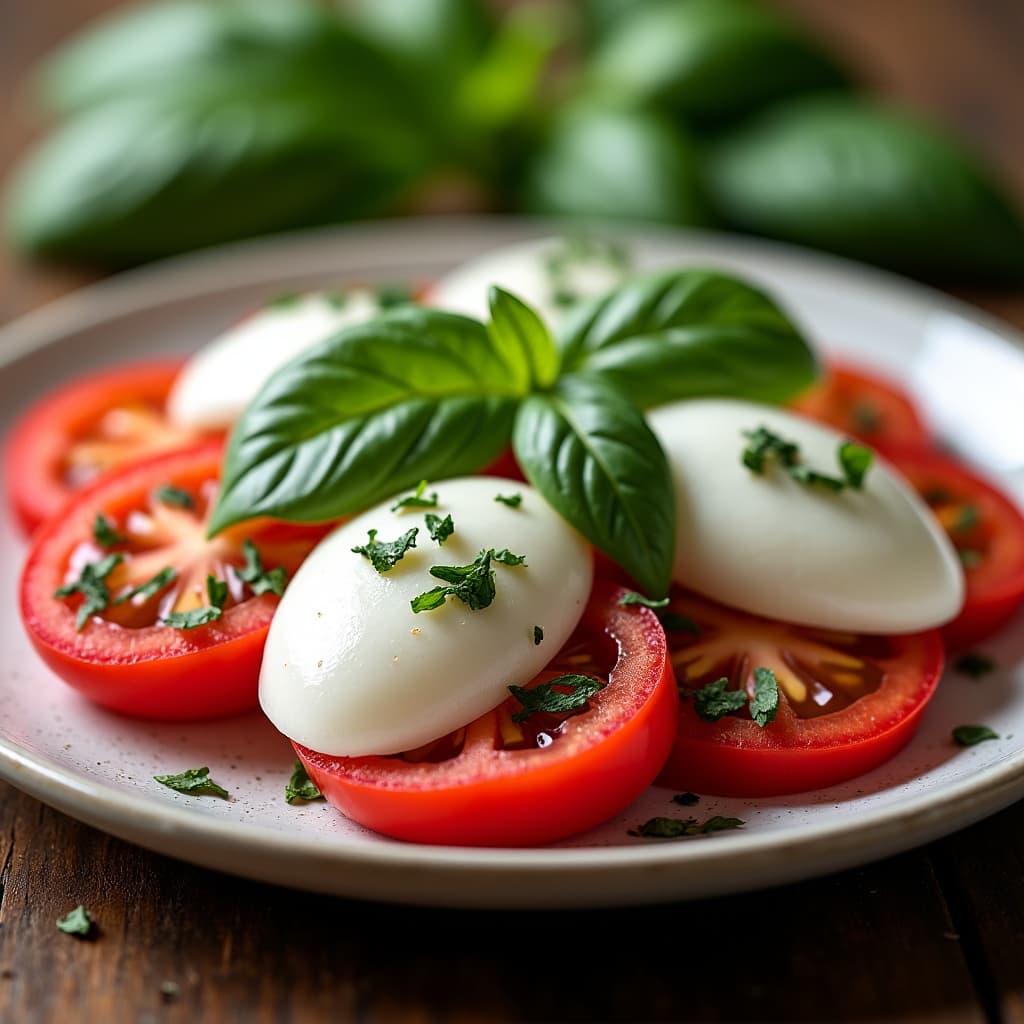
Fresh mozzarella is mildly anti-inflammatory for most people. It contains conjugated linoleic acid (CLA), zinc, and B vitamins with documented anti-inflammatory properties, and it has relatively low levels of the saturated fats and AGEs (advanced glycation end products) that make other cheeses more problematic. Processed mozzarella and low-moisture mass-produced varieties are closer to neutral.
Here's the complete picture.
What Makes Fresh Mozzarella Different from Processed Mozzarella
There are essentially two types of mozzarella with meaningfully different nutritional profiles:
Fresh mozzarella (mozzarella di bufala or fior di latte) is made from whole milk, formed within hours of production, stored in brine, and has a soft, high-moisture texture. It's the white rounds you find in Italian delis and specialty stores.
Low-moisture mozzarella (the shredded, block, or string cheese variety) is made from part-skim or whole milk, processed further to remove moisture, and often contains stabilizers and preservatives. It has a longer shelf life and is the standard pizza cheese.
The key differences for inflammation:
| Characteristic | Fresh Mozzarella | Low-Moisture (Processed) | |---|---|---| | Moisture content | 52-60% | 45-52% | | Saturated fat | Moderate | Moderate to high | | Sodium | Low to moderate | High | | CLA content | Higher (especially buffalo) | Lower | | AGE content | Lower | Higher | | Additives | None | Often stabilizers |
Fresh mozzarella wins on nearly every anti-inflammatory metric when comparing equivalent portions.
The Key Anti-Inflammatory Compounds in Mozzarella
Conjugated Linoleic Acid (CLA)
CLA is a naturally occurring trans fat (the beneficial kind, not the industrial trans fats found in partially hydrogenated oils) primarily found in the milk and meat of ruminant animals. Mozzarella, particularly from grass-fed cows or water buffalo, contains meaningful amounts of CLA.
Research on CLA is genuinely compelling from an anti-inflammatory standpoint:
- Multiple randomized controlled trials show CLA supplementation reduces CRP, a primary marker of systemic inflammation
- CLA inhibits arachidonic acid production, reducing the substrate for pro-inflammatory eicosanoids
- CLA activates PPAR-gamma receptors, which have anti-inflammatory functions in adipose tissue and immune cells
- Epidemiological studies show higher dairy CLA intake is associated with lower risk of chronic inflammatory conditions
Grass-fed and pasture-raised dairy contains 2-5x more CLA than conventional dairy. Mozzarella di bufala (water buffalo) has some of the highest CLA concentrations of any widely available cheese.
Zinc
A 1-oz serving of mozzarella provides about 10-15% of the daily value for zinc. Zinc is a cofactor in over 300 enzymes, many of which regulate immune function and inflammatory response. Zinc deficiency is associated with elevated inflammatory cytokines, impaired T-cell function, and increased susceptibility to infections. Adequate zinc helps maintain the epithelial barrier of the gut, reducing the translocation of bacterial products that trigger systemic inflammation.
B Vitamins
Mozzarella contains riboflavin (B2), B12, and pantothenic acid. B12 supports mitochondrial function and homocysteine metabolism (elevated homocysteine is pro-inflammatory). Riboflavin is required for glutathione recycling, the cell's primary antioxidant defense.
Calcium
One ounce of fresh mozzarella provides about 140-200 mg of calcium. Calcium's role in inflammation is less direct than the compounds above, but adequate calcium intake is associated with lower circulating inflammatory markers in prospective studies.
Why Mozzarella Is Better Than Most Cheeses for Inflammation
Compared to harder, more aged cheeses, fresh mozzarella has several advantages:
Lower AGE content: Advanced glycation end products form when proteins and fats react with sugars during prolonged heat processing or aging. Aged cheeses like cheddar, parmesan, and blue cheese have significantly higher AGE content than fresh mozzarella. AGEs activate the receptor RAGE (yes, that's really the acronym), triggering NF-kB and producing inflammatory cytokines. Our guide on dairy and inflammation covers this in more detail.
Lower sodium: Fresh mozzarella typically has 150-250 mg sodium per ounce, compared to 300-500 mg for aged cheeses. High sodium intake is linked to elevated inflammatory markers and increased blood pressure.
Less saturated fat per serving: Fresh mozzarella's higher water content means you get less saturated fat per gram of cheese compared to denser, lower-moisture varieties.
No artificial additives: Authentic fresh mozzarella contains only milk, starter culture, and rennet. No stabilizers, antimycotics, or fillers that can disrupt gut health.
The Saturated Fat Question
Mozzarella does contain saturated fat: about 3-4g per ounce in full-fat fresh versions. The relationship between saturated dairy fat and inflammation is more nuanced than once thought.
The classic narrative was that all saturated fat is pro-inflammatory. More recent research suggests the food matrix matters: saturated fat in dairy may behave differently from saturated fat in red meat or processed foods. The fermentation and processing involved in cheesemaking may partially modify how dairy fats affect inflammatory pathways.
Several meta-analyses of dairy fat specifically have found neutral or even inverse associations between full-fat dairy consumption and inflammatory markers in healthy adults. That said, for people with elevated cardiovascular risk or existing metabolic dysfunction, excess saturated fat still warrants attention.
The practical takeaway: reasonable portions (1-2 oz per serving) of fresh mozzarella are unlikely to be meaningfully pro-inflammatory for most people.
Mozzarella and Dairy Sensitivity
The major exception to mozzarella's anti-inflammatory profile is dairy sensitivity. Two mechanisms are relevant:
Lactose intolerance: Mozzarella is relatively low in lactose compared to milk, yogurt, or softer fresh cheeses. Most lactose-intolerant individuals can tolerate 1-2 oz without symptoms.
Casein sensitivity: More relevant for inflammation. Some people have immune reactions to A1 beta-casein, found in most conventional cow's milk. This can trigger gut inflammation and systemic immune activation. Mozzarella di bufala (water buffalo milk) contains predominantly A2 beta-casein, which is associated with fewer digestive and inflammatory issues. If you suspect casein is a trigger, buffalo mozzarella is worth testing.
See is cottage cheese anti-inflammatory for more context on dairy and inflammation, and our full dairy and inflammation guide.
Mozzarella in Anti-Inflammatory Eating
Mozzarella integrates well into several classic anti-inflammatory meal patterns:
Caprese salad: Fresh tomatoes, fresh mozzarella, basil, and olive oil is arguably one of the most anti-inflammatory standard dishes in Italian cuisine. Tomatoes provide lycopene and vitamin C; olive oil provides oleocanthal (a natural COX-2 inhibitor); basil provides ursolic acid; mozzarella provides CLA and zinc.
On pizza with anti-inflammatory toppings: If you're making homemade pizza with fresh mozzarella, whole grain or sourdough crust, tomato sauce, olive oil, and vegetables, the meal as a whole can be reasonably anti-inflammatory. The problem is restaurant pizza with processed mozzarella, refined flour crust, and seed-oil-heavy preparation.
In salads: Fresh mozzarella in a mixed green salad with olive oil dressing, cherry tomatoes, and kalamata olives is a Mediterranean-style meal with a genuinely low inflammation score.
For more ideas on building anti-inflammatory meals, see anti-inflammatory lunch ideas and anti-inflammatory salad.
Inflammation Score Breakdown
Based on the Inflamous app nutritional analysis:
| Component | Amount per oz (fresh) | Inflammation Direction | |---|---|---| | CLA | ~100-200 mg | Anti-inflammatory | | Zinc | 0.5-0.8 mg | Anti-inflammatory | | B12 | 0.2-0.4 mcg | Anti-inflammatory | | Calcium | 140-200 mg | Mildly anti-inflammatory | | Saturated fat | 3-4g | Mildly pro-inflammatory | | Sodium | 150-250 mg | Neutral to mildly pro | | AGEs | Lower than aged cheeses | Favorable |
Net score for fresh mozzarella: Mildly anti-inflammatory, particularly when sourced from grass-fed cows or water buffalo.
FAQ
Is mozzarella better than cheddar for inflammation? Yes, for most people. Fresh mozzarella has lower AGE content, lower sodium, and typically lower saturated fat per serving than cheddar. It also tends to have higher CLA content, especially from grass-fed or buffalo sources.
Is buffalo mozzarella more anti-inflammatory than regular mozzarella? Yes, for two reasons: water buffalo milk contains significantly more CLA than standard cow's milk, and it naturally contains A2 beta-casein, which is associated with fewer inflammatory responses than A1 casein in conventional cow's milk.
Can I eat mozzarella every day on an anti-inflammatory diet? One to two ounces of fresh mozzarella daily is compatible with an anti-inflammatory diet for most people. The CLA and zinc are beneficial, and the saturated fat at those portions is unlikely to significantly raise inflammatory markers. Watch overall dairy intake and monitor for any individual sensitivity.
Is mozzarella stick (breaded and fried) anti-inflammatory? No. Breaded, deep-fried mozzarella sticks are prepared in seed oils, coated in refined flour, and generate AGEs during frying. The anti-inflammatory potential of the cheese is completely overwhelmed by the pro-inflammatory cooking method and coating.
Does mozzarella cause bloating or inflammation in the gut? For people with dairy sensitivity, yes. For the majority who tolerate dairy, fresh mozzarella's low lactose content makes it one of the better-tolerated cheeses. If you experience bloating specifically after fresh mozzarella, casein sensitivity is more likely the cause than lactose.
Bottom Line
Fresh mozzarella is one of the better cheeses for an anti-inflammatory diet. Its CLA content, lower AGE profile, moderate sodium, and zinc make it a reasonable choice for regular inclusion. The grass-fed or buffalo versions are nutritionally superior. Use it in Mediterranean-style dishes, skip the breaded and fried versions, and keep portions to 1-2 oz per meal.
Check how mozzarella fits into your full day's inflammation picture with the Inflamous app, which scores every food you log against evidence-based inflammatory markers.