Protein powder is one of the most consumed supplements in America. Most people choose it for muscle building, weight management, or meal convenience. Few think about whether their protein powder is helping or hurting their inflammatory status.
Here is the problem: many popular protein powders contain artificial sweeteners, thickeners, seed oils, and fillers that are pro-inflammatory. The protein itself may reduce inflammation (whey protein isolate, for example, has documented anti-inflammatory properties), but the other ingredients in the tub can cancel that out.
This guide breaks down which protein types are most anti-inflammatory, what ingredients to avoid, and how to choose a powder that supports rather than undermines your dietary anti-inflammatory goals.
How Protein Affects Inflammation
Protein itself is largely inflammation-neutral on the Dietary Inflammatory Index. The inflammatory impact of a protein powder depends more on what comes with the protein than on the protein itself. That said, some protein sources have documented anti-inflammatory properties:
Whey protein isolate contains lactoferrin and immunoglobulins that modulate immune function. A 2022 meta-analysis in Nutrients found that whey protein supplementation reduced CRP by an average of 0.72 mg/L in overweight and obese adults, a clinically meaningful reduction.
Collagen peptides provide glycine and proline, amino acids involved in tissue repair and gut lining integrity. Glycine specifically has anti-inflammatory properties: it inhibits NF-kB activation and reduces TNF-alpha production in immune cells.
Plant proteins (pea, rice, hemp) carry polyphenols and fiber that survive processing. A 2023 study in Food Chemistry found that pea protein retained 60 to 70 percent of its native polyphenol content after commercial extraction, providing measurable antioxidant activity.
The Best Anti-Inflammatory Protein Types, Ranked
1. Grass-Fed Whey Protein Isolate
Whey isolate undergoes extra filtration that removes most lactose and casein, leaving a protein that is 90+ percent pure. This matters for inflammation because lactose and casein are the components of dairy that trigger inflammatory responses in sensitive individuals.
Grass-fed whey provides higher levels of CLA (conjugated linoleic acid) and omega-3s compared to conventional whey. A 2021 analysis in Journal of Dairy Science found that grass-fed whey contained 3x more omega-3 fatty acids and 2x more CLA than grain-fed whey.
Best for: Anyone without dairy allergy or sensitivity who wants the highest bioavailability and strongest research backing.
What to look for: "Whey protein isolate" (not concentrate) as the first ingredient, grass-fed sourced, minimal ingredient list (ideally under 5 ingredients), no artificial sweeteners.
2. Bone Broth Protein
Bone broth protein is made by dehydrating and concentrating bone broth into a powder. It provides collagen peptides, glycine, proline, and gelatin, all of which support gut lining repair and anti-inflammatory signaling.
A 2023 study in Current Developments in Nutrition found that bone broth protein supplementation reduced intestinal permeability markers and lowered fecal calprotectin (a marker of gut inflammation) in adults with mild IBS symptoms over 8 weeks.
Best for: People with gut inflammation, IBS, leaky gut concerns, or joint issues. Also a good option for people who avoid dairy.
What to look for: Sourced from grass-fed/pasture-raised animals, no added fillers, tested for heavy metals (bone can accumulate lead).
3. Pea Protein
Pea protein is the most popular plant-based protein powder, and for good reason. It provides a complete amino acid profile (slightly low in methionine, which is easily complemented by rice protein), is hypoallergenic, and retains anti-inflammatory polyphenols from the source peas.
A 2022 randomized trial found that pea protein was equivalent to whey protein for muscle protein synthesis when matched for leucine content. The anti-inflammatory advantage: pea protein provides fiber remnants and saponins that support gut microbiome diversity.
Best for: Vegans, people with dairy sensitivities, or anyone wanting to increase plant protein intake. Blends of pea + rice protein provide a complete amino acid profile that matches whey.
4. Hemp Protein
Hemp protein provides all essential amino acids plus ALA omega-3 fatty acids, gamma-linolenic acid (GLA, an anti-inflammatory omega-6), fiber, and minerals. It is the most nutritionally complete plant protein available.
The omega-3 to omega-6 ratio in hemp (approximately 1:3) is more favorable than most Western dietary sources. GLA specifically is metabolized into DGLA, which produces anti-inflammatory prostaglandins.
Best for: People wanting a whole-food plant protein with built-in anti-inflammatory fats. The taste is earthy and nutty, which works better in smoothies than in water.
Limitation: Lower protein percentage (50 to 60 percent by weight) compared to whey isolate (90+ percent) or pea protein (80+ percent), so you need more powder per serving.
5. Collagen Peptides (Type I and III)
Collagen is not a complete protein (it lacks tryptophan), so it should not be your only protein source. But as an anti-inflammatory supplement, collagen peptides have specific benefits: they provide glycine (which inhibits NF-kB), support gut lining integrity, and improve joint comfort.
A 2021 meta-analysis in International Journal of Sports Nutrition and Exercise Metabolism found that collagen supplementation (15 grams daily) reduced joint pain during activity in athletes and improved connective tissue recovery.
Best for: Joint support, gut health, skin and hair. Use as a complement to a primary protein powder, not a replacement.
Ingredients to Avoid in Protein Powder
The ingredient list matters as much as the protein source. These additives push a protein powder toward the pro-inflammatory side:
Artificial Sweeteners
Sucralose, aspartame, and acesulfame potassium are common in "zero sugar" protein powders. A 2023 study in Cell found that sucralose at doses equivalent to typical dietary exposure altered gut microbiome composition and impaired immune tolerance in animal models. While human data is less definitive, artificial sweeteners and inflammation is a growing research concern.
Better alternatives: stevia, monk fruit, or small amounts of coconut sugar.
Seed Oils and Vegetable Oils
Some protein powders add sunflower oil, soybean oil, or canola oil as processing aids or to improve mouthfeel. These seed oils are high in omega-6 linoleic acid and shift your inflammatory balance in the wrong direction.
Carrageenan
A seaweed-derived thickener linked to intestinal inflammation in multiple animal studies. The European Food Safety Authority has raised concerns about degraded carrageenan and gut health. Look for alternatives like guar gum or acacia fiber.
Maltodextrin
A high-glycemic carbohydrate filler used to bulk up servings. It spikes blood sugar rapidly, which triggers inflammatory cascades. If maltodextrin is in the first five ingredients, the product prioritizes cost over quality.
Artificial Colors and Flavors
Unnecessary in a protein powder. Some artificial colors have been linked to inflammatory and allergic reactions. Choose naturally flavored options (cocoa, vanilla bean, cinnamon).
How to Choose the Right One
Step 1: Pick your protein type based on dietary needs (dairy tolerance, vegan, gut health focus).
Step 2: Read the full ingredient list. Fewer ingredients is almost always better. The ideal protein powder has 3 to 7 ingredients: the protein source, a natural sweetener, natural flavoring, and possibly a thickener.
Step 3: Check third-party testing. NSF Certified for Sport, Informed Sport, or USP Verified logos indicate the product has been tested for heavy metals, banned substances, and label accuracy. The supplement industry is poorly regulated, and third-party testing is the only reliable quality signal.
Step 4: Consider your total diet. If you already eat fatty fish, turmeric, and plenty of fruits and vegetables, a simple whey isolate is sufficient. If your diet is less optimal, a protein powder with added anti-inflammatory compounds (turmeric, ginger, tart cherry) can provide incremental benefit.
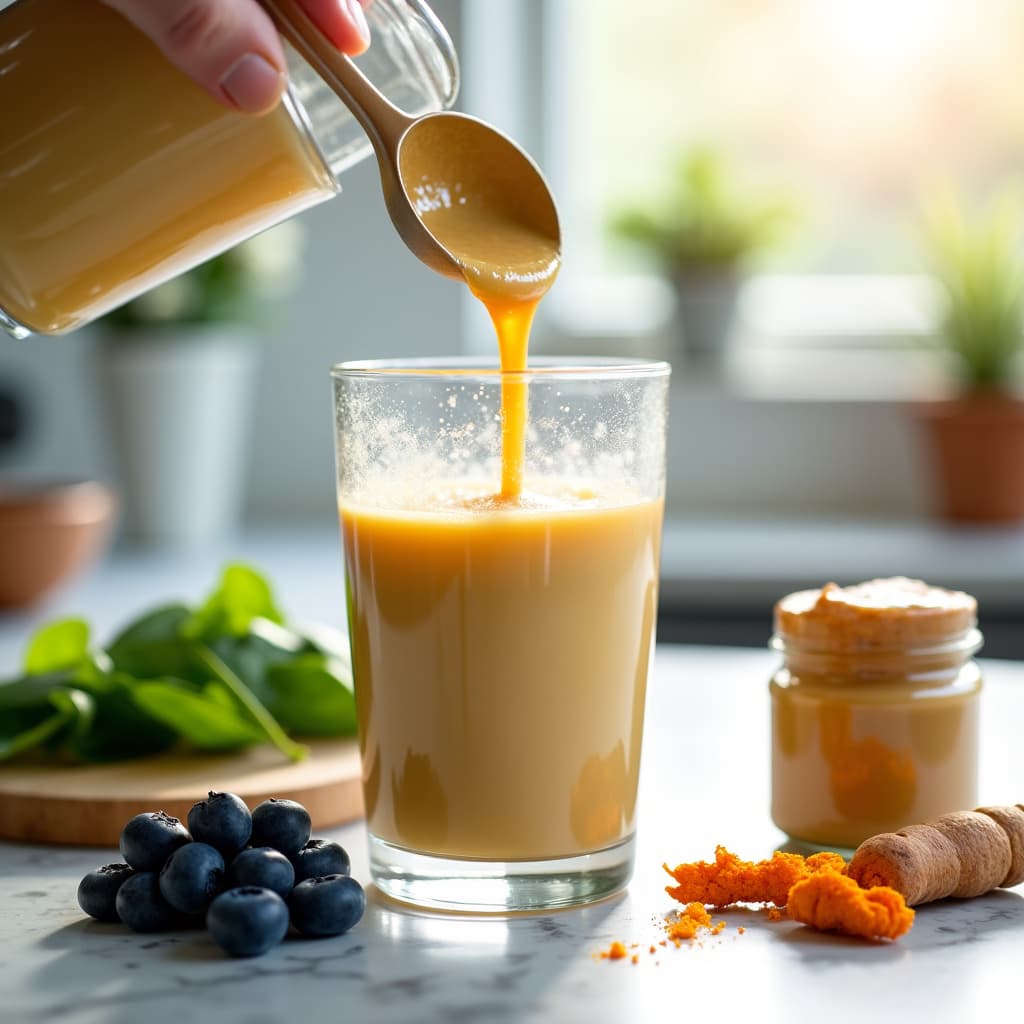
Anti-Inflammatory Protein Smoothie Template
Build a smoothie that multiplies the anti-inflammatory impact of your protein powder:
- 1 scoop protein powder (whey isolate, pea, or bone broth)
- 1 cup frozen blueberries or mixed berries
- 1 tablespoon walnut or almond butter
- 1 teaspoon turmeric powder
- Pinch of black pepper
- 1 cup unsweetened almond milk or oat milk
- Handful of spinach (optional, undetectable in flavor)
This combination provides protein, omega-3s, polyphenols, curcumin, and fiber in one glass. It scores strongly anti-inflammatory on the DII.
FAQ
Is whey protein inflammatory?
Whey protein isolate is anti-inflammatory for most people. It reduces CRP and provides immune-supportive lactoferrin. However, whey concentrate (which retains more lactose and casein) can be inflammatory for people with dairy sensitivity. If dairy bothers you, switch to pea protein or bone broth protein.
Is plant protein better than whey for inflammation?
Neither is inherently better. Whey isolate has stronger direct evidence for CRP reduction. Plant proteins carry polyphenols and fiber that whey lacks. The most anti-inflammatory approach is to choose either one with a clean ingredient list and combine it with anti-inflammatory whole foods in smoothies and meals.
How much protein powder per day is anti-inflammatory?
One to two scoops (25 to 50 grams of protein) daily is typical and well-supported. More than 50 grams per day from powder alone offers diminishing returns, and getting the remainder from whole food sources (fish, legumes, eggs) provides additional anti-inflammatory compounds that powder cannot replicate.
Does cooking with protein powder change its anti-inflammatory properties?
Heat denatures some protein structures but does not destroy amino acids or eliminate anti-inflammatory peptides like lactoferrin (though lactoferrin is heat-sensitive above 65°C/150°F). For maximum anti-inflammatory benefit, use protein powder in smoothies or mix into room-temperature foods. Baking at high temperatures reduces some benefits.
The Bottom Line
The best anti-inflammatory protein powder is one with a clean, short ingredient list built around whey isolate, pea protein, or bone broth protein. Avoid artificial sweeteners, seed oils, carrageenan, and maltodextrin. Third-party testing is non-negotiable for quality assurance.
Protein powder is a vehicle. Fill it with anti-inflammatory add-ins (berries, turmeric, nuts, greens) and it becomes a potent daily tool. Leave it bare with water, and you are getting protein with minimal inflammatory impact either way.
Track your total daily protein and anti-inflammatory intake with the Inflamous app to see how your supplement choices fit into your bigger Dietary Inflammatory Index picture.