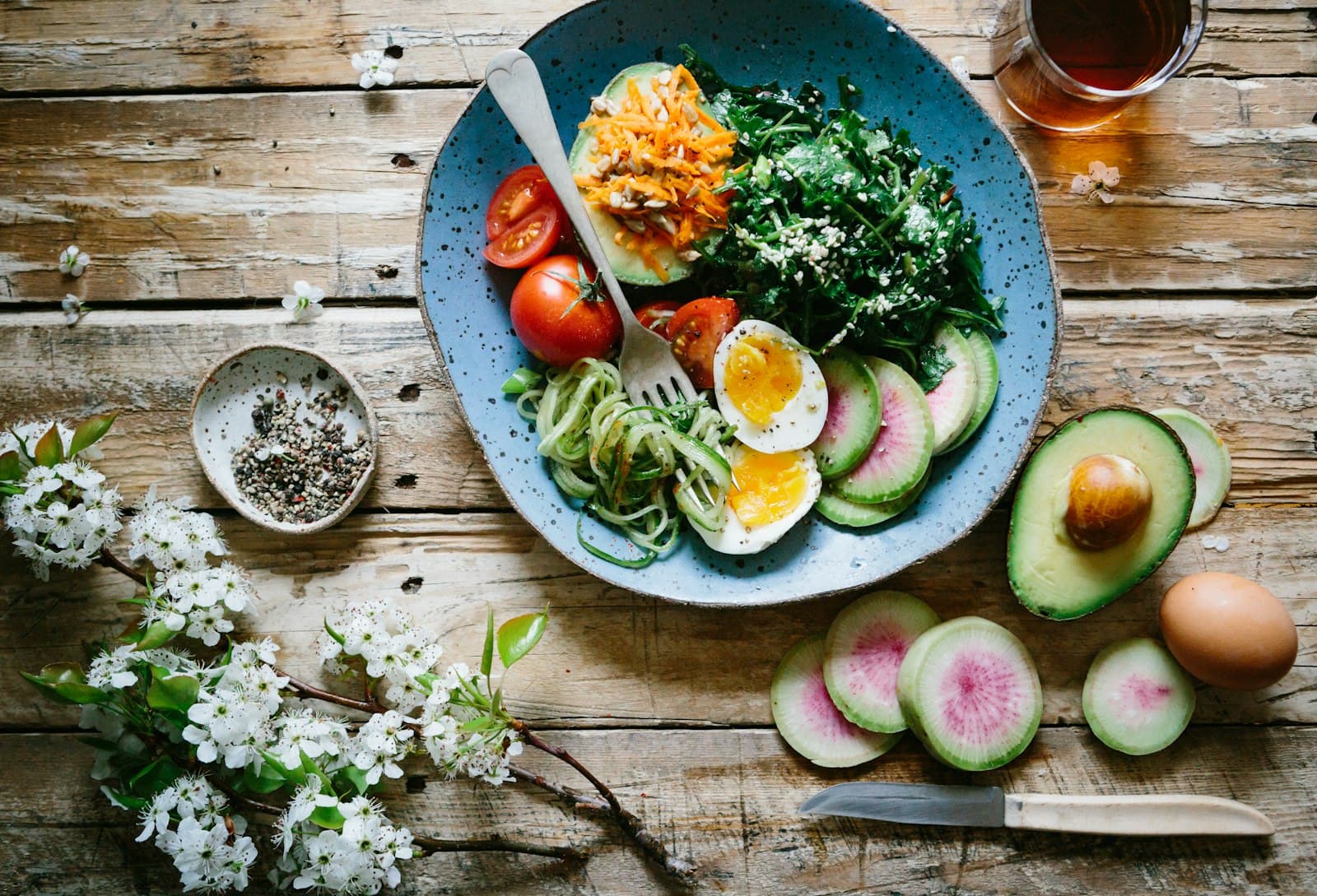
Here is a problem nobody talks about enough: most high-protein meal plans are built around foods that increase inflammation. Processed protein bars, deli meat sandwiches, conventional ground beef five nights a week. You hit your protein target but feel lousy, joints ache, and your gut is unhappy.
And most anti-inflammatory diet plans go the other direction. They are heavy on fruits, vegetables, and whole grains (which is great) but fall short on protein, leaving you hungry, losing muscle, and feeling weak.
You should not have to choose. This guide brings both goals together into one practical eating plan.
Why Protein and Inflammation Both Matter
Protein is not just for bodybuilders. After age 30, you lose roughly 3 to 8% of your muscle mass per decade. That loss accelerates after 50. Adequate protein intake is the single most effective nutritional strategy to slow this decline, along with resistance training.
At the same time, chronic low-grade inflammation contributes to nearly every disease of aging: heart disease, diabetes, cognitive decline, arthritis, and several cancers. The foods you choose to meet your protein needs either help or hurt on the inflammation front.
The good news: many of the best protein sources are also among the most anti-inflammatory foods available.
The Best Anti-Inflammatory Protein Sources
Tier 1: Eat These Regularly
Fatty fish (salmon, sardines, mackerel, trout): 20 to 25 grams of protein per serving plus the highest concentration of omega-3 fatty acids available in food. Wild salmon is the gold standard. A 2024 meta-analysis in the British Journal of Nutrition confirmed that consuming fatty fish 3 or more times per week significantly reduces CRP and IL-6 levels.
Eggs: 6 grams of protein each, and the yolks contain choline, vitamin D, and carotenoids that support anti-inflammatory pathways. Current evidence shows that most people can eat 2 to 3 eggs daily without negative cardiovascular effects. Pasture-raised eggs have higher omega-3 content.
Legumes (lentils, chickpeas, black beans): 15 to 18 grams of protein per cooked cup, plus fiber that feeds anti-inflammatory gut bacteria. Lentil soup gives you protein, fiber, and polyphenols in one bowl.
Greek yogurt and kefir: 15 to 20 grams per cup with probiotics that support gut barrier integrity and reduce systemic inflammation. Choose plain, unsweetened varieties.
Tofu and tempeh: 20 to 30 grams per cup. Soy provides complete protein and isoflavones that act as anti-inflammatory compounds. Tempeh has the added benefit of fermentation.
Tier 2: Solid Options
Chicken and turkey breast: 25 to 30 grams per serving. These are lean, affordable, and inflammation-neutral when baked, grilled, or poached. Not as actively anti-inflammatory as fish, but they will not make things worse.
Grass-fed beef: Higher in omega-3s and conjugated linoleic acid (CLA) compared to conventional feedlot beef. Keep portions moderate (4 to 6 ounces) and frequency to 2 to 3 times per week.
Quinoa: 8 grams per cooked cup with all essential amino acids plus anti-inflammatory polyphenols. Works great as a base for grain bowls.
Nuts and seeds: Almonds (6g per ounce), pumpkin seeds (9g per ounce), hemp seeds (10g per 3 tablespoons). All provide protein alongside anti-inflammatory fats and minerals.
Tier 3: Use Sparingly
Whey protein powder: Convenient, but the quality varies wildly. Look for grass-fed whey without artificial sweeteners or additives. If dairy bothers you, pea protein or hemp protein are solid alternatives.
Conventional beef and pork: Not forbidden, but higher in omega-6 fats and often paired with inflammatory cooking methods (frying, charring). When you eat these, keep portions smaller and pair with generous vegetables.
Avoid
Processed meats: Bacon, sausage, hot dogs, deli meat. These contain nitrates, sodium, and advanced glycation end products (AGEs) that are reliably inflammatory. A 2021 study in the European Journal of Nutrition found that even one daily serving of processed meat increased CRP levels by 15% over 12 weeks.
Protein bars with long ingredient lists: Many popular protein bars contain seed oils, artificial sweeteners, and sugar alcohols that can irritate the gut and increase inflammation.
7-Day Anti-Inflammatory High-Protein Meal Plan
Each day targets approximately 110 to 140 grams of protein with strong anti-inflammatory food choices. Adjust portions based on your size and activity level.
Day 1
- Breakfast: 3-egg omelet with spinach, tomatoes, and feta. Side of mixed berries. (28g protein)
- Lunch: Grilled chicken over mixed greens with avocado, chickpeas, olive oil dressing. (38g protein)
- Snack: Greek yogurt with walnuts and a drizzle of honey. (18g protein)
- Dinner: Baked wild salmon with roasted broccoli and sweet potato. (35g protein)
- Evening: Handful of almonds. (6g protein)
- Daily total: ~125g protein
Day 2
- Breakfast: Smoothie with pea protein, frozen blueberries, spinach, ground flaxseed, almond butter. (30g protein)
- Lunch: Lentil soup with a side of whole grain bread and hummus. (22g protein)
- Snack: Hard-boiled eggs (2) with cherry tomatoes. (12g protein)
- Dinner: Turkey meatballs (made with oats instead of breadcrumbs) over zucchini noodles with marinara. (40g protein)
- Evening: Cottage cheese with pineapple. (14g protein)
- Daily total: ~118g protein
Day 3
- Breakfast: Overnight oats with Greek yogurt, chia seeds, walnuts, and sliced banana. (22g protein)
- Lunch: Tuna salad (olive oil based, not mayo) over arugula with white beans, red onion, and capers. (32g protein)
- Snack: Edamame (1 cup shelled). (17g protein)
- Dinner: Grass-fed beef stir-fry with bell peppers, broccoli, ginger, garlic, over brown rice. (35g protein)
- Evening: Dark chocolate (85%) and a handful of pumpkin seeds. (8g protein)
- Daily total: ~114g protein
Day 4
- Breakfast: Scrambled tofu with turmeric, black pepper, kale, and mushrooms. Whole grain toast. (24g protein)
- Lunch: Chicken and quinoa bowl with roasted vegetables, tahini dressing. (38g protein)
- Snack: Apple slices with almond butter. (7g protein)
- Dinner: Sardines on whole grain crackers with a large mixed salad. (28g protein)
- Evening: Kefir smoothie with frozen cherries. (12g protein)
- Daily total: ~109g protein
Day 5
- Breakfast: 2 poached eggs on avocado toast (whole grain) with everything seasoning. Side of berries. (18g protein)
- Lunch: Tempeh tacos with cabbage slaw, black beans, lime, cilantro in corn tortillas. (30g protein)
- Snack: Trail mix with almonds, walnuts, pumpkin seeds, and dark chocolate chips. (10g protein)
- Dinner: Baked cod with olive oil, lemon, capers, over cauliflower mash. Side of asparagus. (32g protein)
- Evening: Greek yogurt with ground flaxseed. (18g protein)
- Daily total: ~108g protein
Day 6
- Breakfast: Protein pancakes (oat flour, egg, banana, protein powder) with berries and a drizzle of maple syrup. (28g protein)
- Lunch: Large chicken salad with mixed greens, avocado, sun-dried tomatoes, artichoke hearts, olive oil vinaigrette. (35g protein)
- Snack: Hummus and raw vegetables with a side of walnuts. (10g protein)
- Dinner: Shrimp and vegetable curry (coconut milk, turmeric, ginger) over brown rice. (30g protein)
- Evening: Cottage cheese with cucumber slices. (14g protein)
- Daily total: ~117g protein
Day 7
- Breakfast: Smoked salmon on whole grain toast with cream cheese, capers, and red onion. Side of green tea. (22g protein)
- Lunch: Black bean and sweet potato bowl with avocado, salsa, and a fried egg on top. (25g protein)
- Snack: Protein smoothie with hemp seeds, frozen mango, spinach, coconut water. (20g protein)
- Dinner: Grilled chicken thighs (skin-on for healthy fats) with roasted Brussels sprouts and quinoa. (38g protein)
- Evening: Handful of macadamia nuts. (4g protein)
- Daily total: ~109g protein
Making It Work in Real Life
Batch Cooking Saves Everything
Cook a batch of protein on Sunday: grill chicken breasts, bake salmon fillets, cook a pot of lentils. Store in glass containers. You now have 3 to 4 days of protein ready to add to any meal. For more meal prep ideas, check out our anti-inflammatory lunch prep guide.
The Post-Workout Window
If you train regularly, your body is most receptive to protein within 2 hours after exercise. A smoothie with pea or whey protein, berries, and spinach covers both protein synthesis and anti-inflammatory recovery. See our full guide on anti-inflammatory eating for athletes.
Reading Labels
When buying packaged protein foods, flip the package over. If the ingredient list has more than 5 to 7 items, or includes things like "hydrolyzed soy protein," "natural flavors" (which can mean dozens of chemical compounds), or multiple types of sugar, put it back. Simpler is better.
Budget Tips
Anti-inflammatory high-protein eating does not need to be expensive:
- Canned sardines and wild salmon are cheaper than fresh and just as nutritious
- Dried lentils and beans cost pennies per serving and provide both protein and fiber
- Eggs remain one of the most affordable complete protein sources available
- Frozen berries have the same nutritional profile as fresh at half the price
- Buy whole chickens and use the carcass for bone broth
The Protein and Inflammation Connection
Protein itself is not inflammatory. The inflammation comes from three places:
- The source: Processed meats with nitrates and additives vs. whole food protein
- The cooking method: Deep frying and heavy charring create AGEs and heterocyclic amines. Baking, poaching, and gentle grilling are better.
- The ratio: A diet that is all protein and no vegetables is missing the antioxidants needed to handle the oxidative stress from protein metabolism
When you combine quality protein with abundant vegetables, healthy fats, and fiber, you get the best of both worlds. The protein supports muscle maintenance, satiety, and metabolic health. The anti-inflammatory foods keep your immune system balanced and your recovery optimized.
References
- Calder PC. "Omega-3 fatty acids and inflammatory processes: from molecules to man." Biochemical Society Transactions. 2017;45(5):1105-1115.
- Phillips SM, et al. "Protein requirements beyond the RDA: implications for optimizing health." Applied Physiology, Nutrition, and Metabolism. 2022;47(6):615-629.
- Zhubi-Bakija F, et al. "The impact of type of dietary protein, animal versus vegetable, on inflammation." Current Nutrition Reports. 2021;10(4):337-349.
- Eichelmann F, et al. "Effect of plant-based diets on obesity-related inflammatory profiles." Obesity Reviews. 2022;23(9):e13492.
- Micha R, et al. "Unprocessed red and processed meats and risk of coronary artery disease and type 2 diabetes." Circulation. 2010;121(21):2271-2283.
- Morton RW, et al. "A systematic review of protein supplements on muscle mass and strength." British Journal of Sports Medicine. 2018;52(6):376-384.