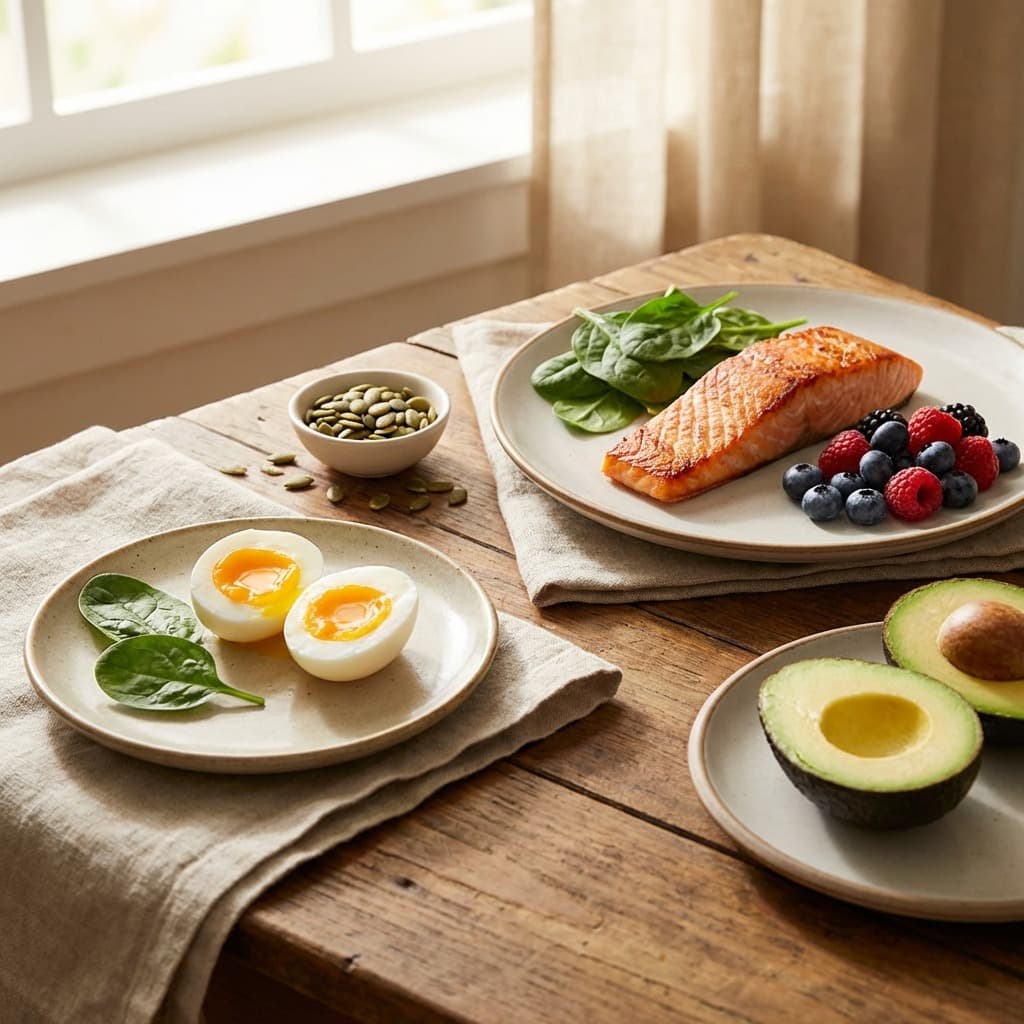
Hair loss isn't only about genetics. Chronic inflammation directly attacks hair follicles, disrupts the hair growth cycle, and creates conditions where hair thinning accelerates. An anti-inflammatory diet for hair loss targets these root causes: follicular inflammation, nutritional deficiencies, hormonal disruption, and oxidative stress.
Here's what the research supports and exactly how food can support healthier, thicker hair, or at minimum, slow the loss.
How Inflammation Causes Hair Loss
Hair follicles are remarkably sensitive to inflammation. Several mechanisms connect chronic inflammation to hair loss:
Follicular miniaturization: In androgenetic alopecia (the most common form of hair loss in both men and women), DHT (dihydrotestosterone) triggers an inflammatory response around the follicle that progressively shrinks it over years. This is why anti-androgen drugs and anti-inflammatory approaches both show efficacy.
Alopecia areata: This autoimmune condition occurs when the immune system attacks hair follicles directly. Elevated Th1 cytokines, particularly IFN-gamma, drive follicular destruction. Diet can modulate Th1/Th2 balance.
Telogen effluvium: Systemic inflammation, nutritional deficiencies, and physiological stress push large numbers of follicles prematurely into the resting (telogen) phase, causing diffuse shedding. This is often reversible with the right dietary approach.
Scalp inflammation: Seborrheic dermatitis, psoriasis of the scalp, and folliculitis all involve localized inflammation that damages the follicular environment. Diet influences all three conditions.
A 2022 review in Dermatology and Therapy found that dietary patterns scoring high on inflammatory indices were associated with significantly faster progression of androgenetic alopecia and worse outcomes in telogen effluvium.
The Dietary Inflammatory Index and Hair Health
The Dietary Inflammatory Index (DII) quantifies how pro- or anti-inflammatory a diet is based on its effects on six inflammatory biomarkers (IL-1beta, IL-4, IL-6, IL-10, TNF-alpha, and CRP). Anti-inflammatory diets lower the DII score and reduce systemic inflammation, which directly benefits follicular health.
The Inflamous app scores every food you log against the DII, giving you a real-time inflammation score for your daily eating. For hair-related concerns, this is particularly useful for tracking whether your diet is tilted toward follicle-protective or follicle-damaging territory.
Nutrients Most Critical for Hair Health
Before discussing anti-inflammatory foods broadly, it's worth understanding the specific micronutrients that hair follicles depend on, because deficiency in any of these accelerates loss.
| Nutrient | Role | Deficiency Signs | |----------|------|-----------------| | Iron | Oxygenates follicles | Diffuse shedding, fatigue | | Zinc | Cell division, DHT metabolism | Thinning, slow growth | | Biotin (B7) | Keratin synthesis | Brittle hair, hair loss | | Vitamin D | Follicle cycling | Telogen effluvium, alopecia areata | | Selenium | Antioxidant protection | Brittle hair, loss | | Omega-3 | Follicular inflammation | Dry, thin hair | | Protein | Structural (hair is keratin) | Diffuse shedding | | Lysine | Iron absorption, collagen | Amplifies iron deficiency effects |
Getting these nutrients from whole, anti-inflammatory foods addresses two problems simultaneously: the deficiency and the inflammation.
Best Anti-Inflammatory Foods for Hair Loss
Fatty Fish
Salmon, sardines, mackerel, and herring are the most comprehensive single-food intervention for hair loss. They provide omega-3 fatty acids (EPA/DHA) that reduce follicular inflammation, high-quality protein for keratin synthesis, vitamin D, selenium, iron, and B vitamins.
A 2015 randomized controlled trial published in the Journal of Cosmetic Dermatology found that omega-3 and omega-6 supplementation for 6 months significantly reduced hair loss and improved hair density in women with telogen effluvium. Aim for 2-3 servings per week.
Eggs
Eggs are among the most biotin-dense foods available, plus they provide high biological value protein, sulfur-containing amino acids critical for keratin structure, and zinc. The biotin in cooked eggs is more bioavailable than in raw eggs (raw egg whites contain avidin, which blocks biotin absorption).
Pumpkin Seeds
Pumpkin seeds are one of the highest zinc-food sources available to those who don't eat shellfish. Zinc is critical for follicular cell division and protein synthesis. A 2014 randomized placebo-controlled trial found that pumpkin seed oil supplementation for 24 weeks led to a 40% increase in hair count in men with androgenetic alopecia. Pumpkin seeds also contain phytosterols that may inhibit 5-alpha-reductase (the enzyme that converts testosterone to DHT).
Lentils and Legumes
Lentils provide iron, folate, biotin, protein, and zinc in a single package. Iron deficiency is one of the most common and reversible causes of hair loss in women, and lentils are one of the best plant-based iron sources. Pair them with vitamin C-rich foods (bell peppers, tomatoes) to maximize iron absorption.
Leafy Greens
Spinach, kale, and Swiss chard provide iron, folate, vitamin A, and vitamin C. Vitamin A regulates sebum production on the scalp (both deficiency and excess can cause hair loss), and vitamin C is essential for collagen synthesis and iron absorption.
Sweet Potatoes and Carrots
These provide beta-carotene, which converts to vitamin A at a rate the body regulates (unlike retinol supplements, which can cause toxicity in high doses). Healthy vitamin A levels maintain scalp sebum balance and support follicular epithelial cell health.
Walnuts
Walnuts are rich in alpha-linolenic acid (ALA, a plant-based omega-3), biotin, vitamin E, copper, and selenium. Copper is needed for melanin production (relevant for premature greying as well as follicular health) and is a cofactor for enzymes that strengthen hair's protein structure.
Brazil Nuts
Just 1-2 Brazil nuts per day provides a full day's worth of selenium. Selenium deficiency is associated with hair loss and poor hair quality. Selenium is also a cofactor for glutathione peroxidase, the body's primary antioxidant enzyme, which protects follicular cells from oxidative stress.
Oysters and Shellfish
Oysters have the highest zinc content of any food. A single medium oyster provides more zinc than a full day's recommended intake. Zinc's role in hair cycling is well-established, and zinc supplementation has been shown in multiple studies to reduce hair loss associated with deficiency.
Extra Virgin Olive Oil
Olive oil contains squalene, polyphenols, and oleic acid that reduce scalp inflammation. It also supports fat-soluble vitamin absorption (vitamins A, D, E, and K all require dietary fat to be absorbed, and all are relevant to hair health). Use it generously.
Berries and Colorful Fruit
Vitamin C from strawberries, kiwi, citrus, and bell peppers is essential for collagen synthesis and dramatically increases non-heme iron absorption from plant foods. The antioxidants in berries reduce oxidative stress that damages follicular DNA.
Foods That Accelerate Hair Loss
Sugar and High-Glycemic Foods
Excess sugar drives insulin resistance and elevates androgens, accelerating DHT production and follicular miniaturization. High-glycemic diets also increase insulin-like growth factor 1 (IGF-1), which promotes sebum production and scalp inflammation.
A 2020 study in JAMA Dermatology found that men with androgenetic alopecia who consumed more high-glycemic foods had significantly faster hair loss progression compared to those eating lower-glycemic diets.
Processed and Fried Foods
Trans fats and oxidized seed oils in ultra-processed and fried foods generate free radicals that damage follicular DNA and membrane integrity. They also displace the anti-inflammatory fats and micronutrients that hair follicles need.
Alcohol
Alcohol depletes zinc, biotin, folate, and iron, four of the most critical nutrients for hair growth. It also raises cortisol (chronic stress hormone) and triggers diffuse shedding via telogen effluvium. Even moderate alcohol intake impairs nutrient absorption over time. Read more about alcohol and inflammation.
Raw Egg Whites
Raw egg whites contain avidin, a protein that binds biotin and prevents its absorption. Cooking denatures avidin, making eggs a net biotin contributor. Eating large amounts of raw egg whites (popular in some athletic circles) can actually cause biotin deficiency and accelerate hair loss.
Crash Dieting and Very Low-Calorie Diets
Severe calorie restriction causes telogen effluvium, sudden diffuse hair shedding that typically occurs 2-3 months after the triggering event. The body shunts resources away from "non-essential" functions like hair growth during starvation states. Sustainable, nutrient-dense eating beats crash dieting every time.
Selenium in Excess
While selenium deficiency causes hair loss, selenium toxicity from over-supplementing also causes hair loss. Brazil nuts are safe at 1-2 per day. Selenium supplements should stay below 200mcg daily unless otherwise directed by a doctor.
Lifestyle Factors That Compound Dietary Effects
Diet is the foundation, but these factors work with or against it:
- Stress management: Cortisol is a potent driver of telogen effluvium. Chronic stress combined with a pro-inflammatory diet amplifies hair loss. Anti-inflammatory eating for anxiety addresses the cortisol-diet connection.
- Sleep: Growth hormone release during deep sleep is critical for follicular regeneration. See how sleep and inflammation interact.
- Scalp health: Anti-dandruff shampoos (containing zinc pyrithione, selenium sulfide, or ketoconazole) address scalp inflammation directly, complementing dietary approaches.
- Thyroid function: Both hypothyroidism and hyperthyroidism cause hair loss. Anti-inflammatory eating supports thyroid health, but if shedding is severe and sudden, get your TSH tested.
Putting It Together: A Week of Hair-Supportive Anti-Inflammatory Eating
Daily staples:
- 2L water (hydration is basic but critical for nutrient transport to follicles)
- 1-2 Brazil nuts (selenium hit)
- 1 handful of pumpkin seeds
- At least 3 servings of vegetables
2-3x per week:
- Fatty fish (salmon, sardines, mackerel)
- Legumes (lentils, black beans, chickpeas)
Daily protein target:
- 0.8-1.2g per kg body weight from whole-food sources
Sample day:
- Breakfast: Scrambled eggs with spinach, a side of berries, green tea
- Lunch: Lentil and vegetable soup with whole grain bread, bell pepper strips
- Snack: Pumpkin seeds, 2 Brazil nuts
- Dinner: Baked salmon with roasted sweet potato and steamed broccoli with olive oil
- Evening: Kefir or yogurt with walnuts
Frequently Asked Questions
How long before dietary changes improve hair loss?
Hair grows approximately 1cm per month. Follicular changes from diet typically take 3-6 months to become visible in hair density and shedding rate. Telogen effluvium triggered by nutritional deficiency can improve within 3-4 months of correcting the deficiency. Be patient and consistent.
Is biotin supplementation worth it for hair loss?
If you're biotin-deficient (rare, but more common in vegans, people with digestive disorders, or those on certain medications), supplementation helps significantly. For people with normal biotin levels, supplements show minimal benefit. Focus on dietary biotin from eggs, lentils, and walnuts first.
Does a vegan diet cause hair loss?
Not inherently, but vegan diets put you at higher risk for iron deficiency, vitamin B12 deficiency, zinc deficiency, and omega-3 deficiency, all of which cause hair loss. A well-planned vegan diet with attention to these nutrients, and potentially targeted supplementation, can fully support hair health.
Can you regrow hair with diet alone?
For hair loss driven primarily by inflammation, nutritional deficiency, or telogen effluvium, diet can drive significant regrowth. For androgenetic alopecia (genetic pattern baldness), diet can slow progression meaningfully but is unlikely to reverse significant baldness on its own. It works best as part of a comprehensive approach.
What blood tests should I get to investigate hair loss?
Standard workup includes: ferritin (most sensitive iron marker), total iron binding capacity, TSH, vitamin D, zinc, complete blood count, and if relevant, DHT and total testosterone. Ask your doctor for a full panel before buying supplements randomly.
See also Anti-Inflammatory Foods for Skin for related dietary strategies. For complete food DII scores, visit the Science page or download the Inflamous app.