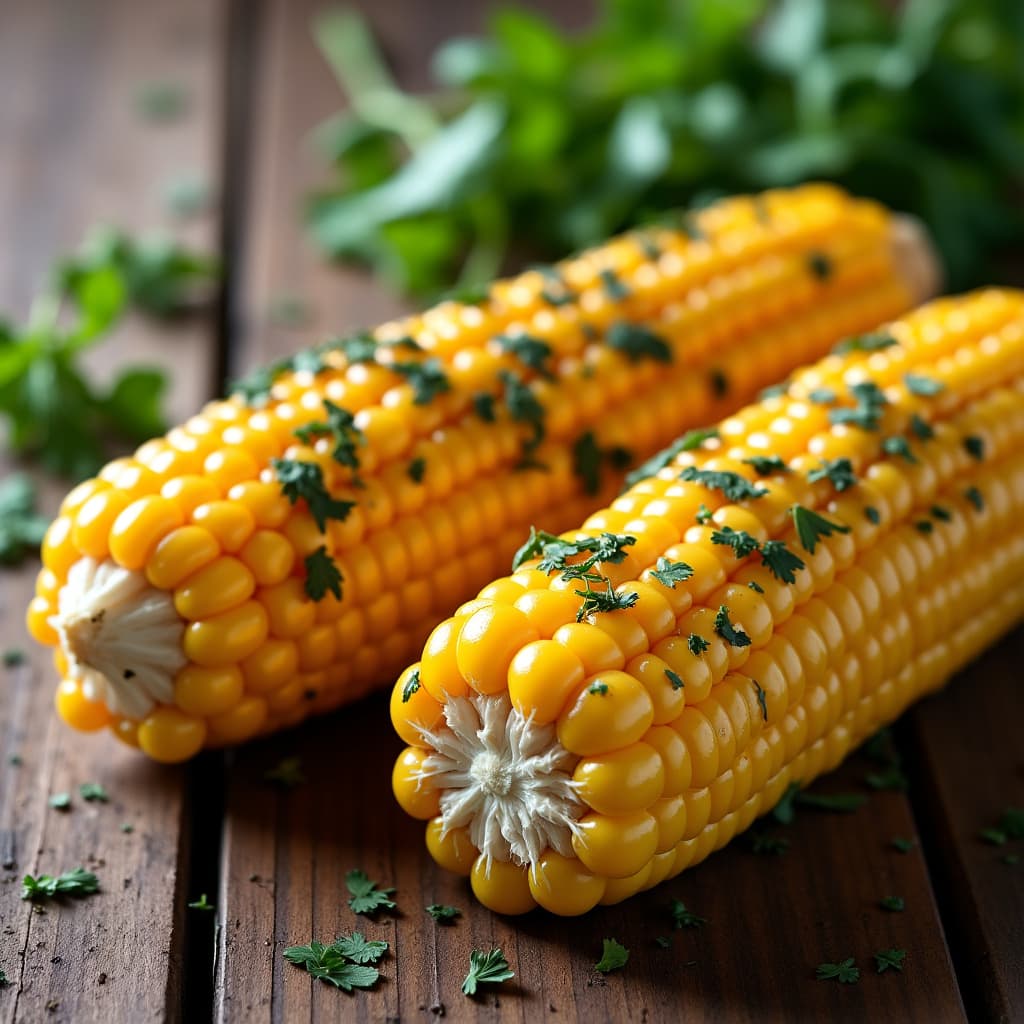
Whether corn is anti-inflammatory depends almost entirely on the form you eat it in. Whole corn on the cob is mildly anti-inflammatory, with genuine antioxidants and fiber. Corn-derived products like high-fructose corn syrup, corn oil, and refined cornstarch are pro-inflammatory. The distance between a fresh ear of corn and a corn-syrup-sweetened snack food is enormous in terms of inflammation impact.
Let's work through the nuances.
Whole Corn: What's Actually in There
Fresh corn is a source of several nutrients with documented relevance to inflammation:
Lutein and zeaxanthin: Two carotenoids found in high concentrations in yellow corn. These are best known for protecting eye tissue from oxidative damage, but they also function as systemic antioxidants that reduce oxidative stress, a primary driver of chronic inflammation. Lutein has been shown to inhibit NF-kB activation in some in vitro models.
Beta-cryptoxanthin: Another carotenoid in corn that several epidemiological studies have associated with lower inflammatory markers, particularly in studies examining rheumatoid arthritis risk.
Ferulic acid: A polyphenol antioxidant found in the germ and bran of corn kernels. Ferulic acid has been shown to inhibit COX-2 (the enzyme targeted by NSAIDs) and reduce NF-kB activity. It's one of the more potent antioxidants found in cereal grains.
Fiber: A medium ear of corn provides about 2-3g of fiber. Dietary fiber is fermented by gut bacteria into short-chain fatty acids (SCFAs) like butyrate, which reduce intestinal inflammation and support gut barrier integrity. Butyrate specifically inhibits NF-kB in colonocytes (intestinal cells).
Resistant starch: Corn, especially when cooked and cooled, contains resistant starch that feeds beneficial gut bacteria, supporting the microbiome diversity associated with lower systemic inflammation.
However, whole corn is also relatively high in carbohydrates and has a moderate glycemic index (~55-65), meaning it can raise blood sugar meaningfully, especially in large portions. Blood sugar spikes drive post-meal oxidative stress and glycation, both pro-inflammatory.
The Omega-6 Problem
Here's one important consideration for corn: corn is high in omega-6 linoleic acid relative to omega-3 content. This applies primarily to corn oil (discussed below), but the grain itself has an omega-6:omega-3 ratio of roughly 56:1 to 83:1, which is much higher than ideal.
For most people eating corn as one component of a varied diet, this ratio issue is largely irrelevant. But if you're eating large amounts of corn-based foods regularly while eating few omega-3 rich foods, the cumulative omega-6 load can contribute to a pro-inflammatory fatty acid profile. Read omega-6 vs omega-3 for the complete breakdown.
Corn Oil: A Different Story
Corn oil is one of the most omega-6-heavy cooking oils available, with roughly 58% linoleic acid. The concern with seed oils high in linoleic acid is that excess linoleic acid is incorporated into cell membranes and adipose tissue, where it can be converted to arachidonic acid, a precursor to pro-inflammatory eicosanoids (prostaglandins, leukotrienes).
Multiple studies show that replacing corn oil with olive oil or other lower omega-6 alternatives reduces inflammatory markers. Our seed oils and inflammation piece covers this in depth, and anti-inflammatory cooking oils covers the best replacements.
If you're cooking with corn oil, switch to extra virgin olive oil or avocado oil. This single change can have a more meaningful anti-inflammatory impact than most other individual dietary swaps.
High-Fructose Corn Syrup (HFCS): Strongly Pro-Inflammatory
HFCS is the most pro-inflammatory derivative of corn in the modern food supply. It's present in an enormous range of processed foods: sodas, condiments, baked goods, cereals, flavored yogurts, candy, and much more.
The mechanism is well-established: excess fructose is metabolized primarily in the liver, where it drives de novo lipogenesis (fat synthesis), elevates triglycerides, promotes insulin resistance, and increases uric acid, all of which promote systemic inflammation. Fructose also fuels intestinal bacteria that produce lipopolysaccharide (LPS), an endotoxin that triggers inflammatory signaling.
Sugar and inflammation is a massive topic. Read sugar and inflammation: the complete breakdown for the full picture. For now: HFCS-containing products are pro-inflammatory, full stop.
Popcorn: The Middle Ground
Air-popped popcorn made from whole grain corn is actually a decent snack in an anti-inflammatory context. It provides fiber, ferulic acid, and polyphenols from the pericarp (outer hull). Research from the University of Scranton found that the hulls of popcorn contain more polyphenol antioxidants per serving than many fruits and vegetables by weight.
The problem is what most popcorn is made with: movie theater popcorn is drenched in highly processed butter-flavored oils, microwave popcorn bags often contain PFAS chemicals and partially hydrogenated oils, and flavored commercial varieties load on added salt, sugar, and artificial flavors.
Plain air-popped popcorn with olive oil and sea salt is genuinely a reasonable anti-inflammatory snack. It's listed as an option in our anti-inflammatory snacks for work guide for exactly this reason.
Corn and Specific Inflammatory Conditions
Type 2 diabetes: Corn's moderate glycemic index means it raises blood sugar more than non-starchy vegetables, which is relevant for those managing blood sugar-driven inflammation. Eating corn alongside protein, fat, and fiber helps buffer the glycemic response. See anti-inflammatory diet for type 2 diabetes.
IBS and gut inflammation: Corn is problematic for some people with IBS. Corn contains sorbitol and fructans in some forms, and whole kernel corn can be difficult to digest (you've noticed what goes in sometimes comes out). Those following a low-FODMAP elimination may be directed to limit certain corn products. Read anti-inflammatory eating for IBS.
Arthritis: The ferulic acid and carotenoids in whole corn have mild joint-protective properties. However, for people with nightshade sensitivity, it's worth knowing that corn is not a nightshade (that group includes tomatoes, peppers, eggplant, and white potatoes). See nightshade vegetables and inflammation.
Autoimmune conditions: Some functional medicine practitioners recommend eliminating corn in autoimmune protocols due to concerns about lectin content and gut permeability. The evidence here is weaker than the claims often made online. See our comprehensive guide on lectins and inflammation.
Corn Inflammation Score Breakdown
Here's how different corn forms map against the Inflamous inflammation scoring framework:
| Form | Key Compounds | Inflammation Rating | |---|---|---| | Fresh/frozen whole corn | Lutein, ferulic acid, fiber | Mildly anti-inflammatory | | Air-popped popcorn | Polyphenols, fiber | Mildly anti-inflammatory | | Corn tortillas (whole grain) | Fiber, limited processing | Neutral to mildly anti-inflammatory | | Canned corn (plain) | Similar to fresh, added sodium | Neutral | | Corn oil | High omega-6 | Mildly pro-inflammatory | | Corn chips | Refined, seed oils, salt | Moderately pro-inflammatory | | HFCS-sweetened products | Excess fructose | Strongly pro-inflammatory | | Cornstarch / corn syrup | Refined carbs | Moderately pro-inflammatory |
The pattern is clear: the less processed the corn, the better.
How to Eat Corn in an Anti-Inflammatory Diet
Whole corn on the cob: Best prepared by grilling with olive oil, which adds anti-inflammatory oleic acid and imparts char flavors without generating the harmful compounds that come from seed oil frying.
Frozen corn kernels: Nutritionally comparable to fresh. Add to soups, stews, and grain bowls. Pairs well with black beans, bell peppers, and olive oil for a genuinely anti-inflammatory combination.
Corn tortillas: A better choice than flour tortillas for most people due to lower glycemic impact per serving. Opt for stone-ground masa varieties when possible.
Skip: Corn syrup, corn oil, cornstarch-thickened sauces, and any product listing HFCS in the first three ingredients.
For meal inspiration using whole foods including corn, see anti-inflammatory meal prep and the complete list of anti-inflammatory foods.
FAQ
Is corn a vegetable or grain, and does it matter for inflammation? Botanically, corn is a grain (specifically a cereal grass). Nutritionally, fresh corn is often treated as a starchy vegetable. Whether it's classified as grain or vegetable, the inflammation profile of whole corn is mildly anti-inflammatory. What matters more is the form and processing level.
Is corn bad for inflammation? Whole corn is not bad for inflammation in moderate amounts. Corn-derived processed ingredients like HFCS and corn oil are associated with increased inflammation. The food itself is less problematic than what's made from it.
Is canned corn anti-inflammatory? Plain canned corn (corn and water only) is similar to fresh corn nutritionally. Watch for added sodium. Avoid canned corn with added sauces or sugars. Rinse before eating to reduce sodium if needed.
Can corn cause leaky gut? There are claims that corn lectins cause intestinal permeability. The research basis is limited compared to similar claims about gluten. Most people tolerate corn well. If you suspect gut issues, an elimination trial is the practical way to test your personal response.
Is corn on the cob OK for an anti-inflammatory diet? Yes. Grilled or boiled corn on the cob is a seasonal, mildly anti-inflammatory food. Keep portions reasonable and pair with protein and healthy fat to moderate the glycemic response.
Bottom Line
Whole corn is mildly anti-inflammatory and fits comfortably in a balanced anti-inflammatory diet. Its lutein, zeaxanthin, ferulic acid, and fiber content contribute positively. The real problem with corn isn't the grain itself but the industrial processing that turns it into HFCS, corn oil, and refined snack foods. Eat the corn, skip the corn derivatives.
Track your corn intake and its inflammation contribution against your overall diet with the Inflamous app, which scores every food you eat based on its DII-aligned nutritional profile.