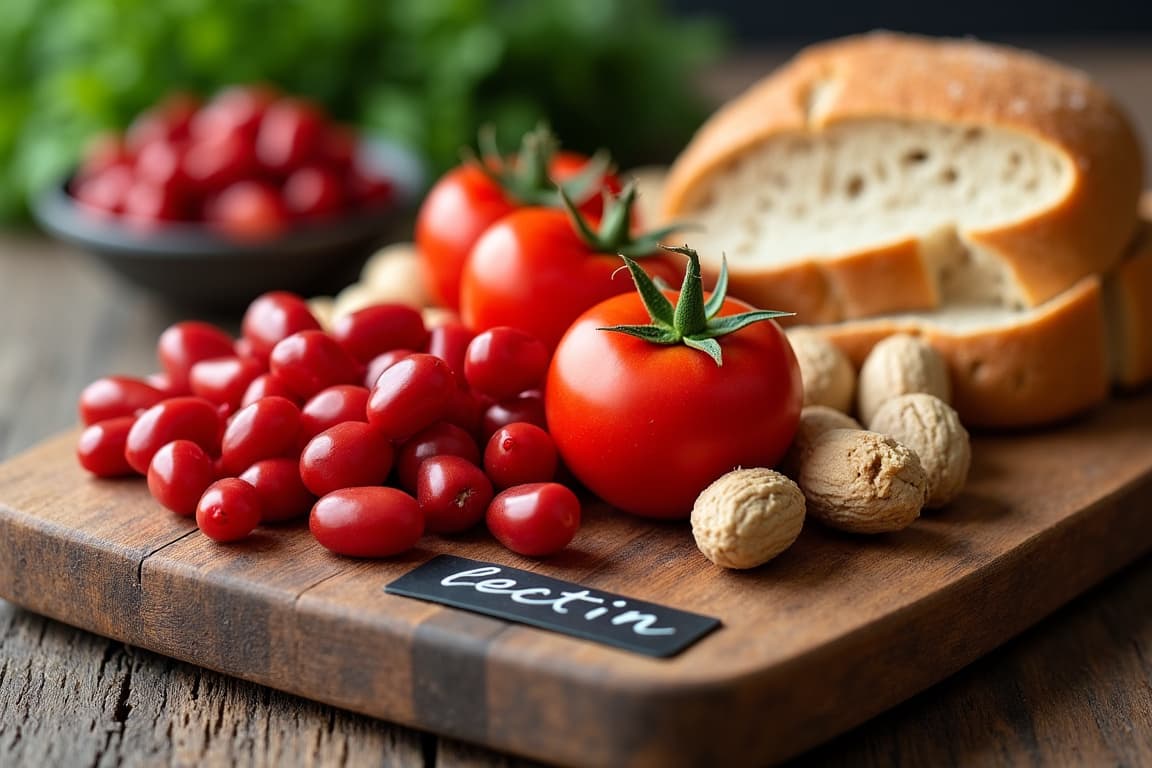
Lectins are natural proteins found in many plants, especially beans, lentils, whole grains, tomatoes, peppers, potatoes, peanuts, and some seeds. They became controversial because some lectins can bind to carbohydrates and, in raw or undercooked form, may irritate the gut. But the idea that lectins broadly drive inflammation in most healthy people is not well supported by the full body of evidence. If you are wondering about lectins and inflammation, the short answer is this: raw or poorly cooked high-lectin foods can be a problem, but properly cooked legumes and whole plant foods are usually linked with better health outcomes, not worse ones.
This is one of those nutrition topics where internet fear spread faster than the actual science.
What lectins are
Lectins are proteins plants make for defense. Different foods contain different lectins, and they do not all behave the same way. Red kidney beans are the most famous example because raw or undercooked kidney beans can contain enough phytohaemagglutinin to cause acute digestive symptoms.
That sounds alarming, but it also highlights the real point: preparation matters.
Soaking, boiling, pressure cooking, fermenting, and sprouting can reduce lectin content substantially. That means the foods many people worry about most, beans and legumes, are usually eaten in a form where lectin activity is much lower.
Why lectins got blamed for inflammation
Part of the lectin fear came from mechanistic theories about gut irritation, intestinal permeability, and immune activation. In isolated lab settings, or when animals are given unusual exposures, some lectins can clearly cause problems.
But that does not translate cleanly to real human diets.
In population research, foods that naturally contain lectins, especially legumes and whole grains, are usually associated with better cardiometabolic health, better fiber intake, and lower inflammatory burden overall. That is the opposite of what you would expect if lectins in properly prepared foods were a major driver of chronic inflammation in the general population.
This is why lectin-heavy foods often appear in anti-inflammatory patterns discussed in the complete list of anti-inflammatory foods and fiber and inflammation: the gut connection.
Beans are the best example of why the lectin panic is incomplete
Beans contain lectins, yes. They also contain fiber, resistant starch, magnesium, folate, potassium, and a nutrient profile associated with lower inflammation and better metabolic health.
So when people cut out beans because of lectins, they often lose one of the most helpful food groups in an anti-inflammatory diet.
That does not mean everyone feels amazing with beans. People with IBS, sensitive digestion, or certain gut issues may need to adjust portion size, preparation method, or bean type. But that is usually a FODMAP or tolerance issue, not proof that lectins are broadly dangerous.
Who may actually be sensitive
There are some cases where lectin discussions are more relevant.
- People eating raw or undercooked beans, especially kidney beans
- People with certain digestive conditions who notice symptom patterns with specific foods
- People in elimination phases trying to identify individual triggers
Even then, the solution is usually not “avoid all lectins forever.” It is more often better cooking, slower reintroduction, smaller portions, or a more personalized food log.
The Inflammation Score Breakdown
From an inflammation scoring perspective, lectin-containing foods need to be judged as whole foods, not by one isolated compound.
Often favorable despite lectins
- Beans and lentils because of fiber and plant protein
- Whole grains because of fiber and nutrient density
- Tomatoes and peppers because of vitamins and polyphenols
- Peanuts and seeds because of fats and protein
Potential issues
- Raw or undercooked kidney beans
- Very large portions in people with sensitive digestion
- Mistaking digestive discomfort for universal inflammation science
Foods like legumes, tomatoes, and whole grains often improve a DII-style pattern, especially when replacing ultra-processed foods. That is why the full picture matters more than the lectin headline.
Does cooking reduce lectins?
Yes, significantly. Proper boiling and pressure cooking reduce lectin activity a lot, especially in beans. Canned beans are also already cooked, which makes them practical and usually well tolerated.
This is important because many anti-lectin claims talk about raw food chemistry as if it were the same as what people actually eat at dinner. Usually it is not.
What should you do in real life?
A sensible approach looks like this:
- Cook beans thoroughly
- Use canned beans if convenience helps
- Introduce legumes gradually if your gut is not used to them
- Track symptoms instead of assuming every trendy claim is true
- Focus on the overall diet pattern first
If your meals are rich in beans, vegetables, fruit, fish, olive oil, and herbs, the overall inflammatory profile is usually better than a diet dominated by processed snack foods and refined carbs. That remains true even if some of those plant foods contain lectins.
You can also improve tolerance by pairing lectin-containing foods with inflammation-friendly staples like ginger and fermented foods, and by working within a pattern like anti-inflammatory diet for beginners.
FAQ
Do lectins cause inflammation?
In raw or undercooked form, some lectins can cause digestive issues. But in properly prepared foods, there is not strong evidence that lectins broadly drive chronic inflammation in most people.
Are beans bad because of lectins?
Usually no. Beans are often associated with better health outcomes because they provide fiber and plant protein. Preparation matters.
Should I avoid tomatoes and peppers because of lectins?
Most people do not need to. These foods can fit well in a healthy, lower-inflammatory diet.
Does pressure cooking remove lectins?
Pressure cooking can reduce lectin content significantly, especially in beans.
Bottom line
The lectins and inflammation debate gets exaggerated. Raw or poorly cooked high-lectin foods can absolutely cause problems, but properly prepared beans, lentils, whole grains, and vegetables are usually associated with better health and a lower-inflammatory diet pattern. Focus on preparation and personal tolerance, not internet panic.
The Inflamous app helps you score foods in context so you can judge your diet by real patterns, not by one scary compound taken out of context.
Why people often feel better after removing lectins, at least temporarily
Sometimes people cut out beans, bread, and nightshades and do feel better. But it is worth asking what changed besides lectins. Often they also cut out pizza, pastries, fast food, snack foods, and a lot of refined flour at the same time.
That makes it hard to blame lectins specifically.
In many cases, the improvement comes from lowering overall inflammatory load and eating fewer ultra-processed foods, not from avoiding every lectin-containing plant. This is why reintroduction matters. It helps separate true personal triggers from broad dietary cleanup effects.
A smarter way to test sensitivity
If you suspect a food issue, try narrowing it down systematically.
- Pick one category to test, such as beans
- Remove it for a short defined period
- Keep the rest of the diet stable
- Reintroduce it in a properly cooked form
- Watch for repeatable symptom patterns
That gives you better information than throwing out half the produce aisle because of a headline.
Lectins, autoimmune disease, and the limits of online claims
Autoimmune communities often discuss lectins intensely, but the evidence here is still limited and often overextended. Some people with autoimmune conditions do report symptom changes with elimination diets, yet those diets usually change many things at once: gluten, processed foods, alcohol, sugar, food additives, and total diet quality.
That makes it hard to isolate lectins as the key driver.
If someone personally feels better with fewer beans or certain vegetables, that matters at the individual level. But it should not be turned into a universal rule that all lectin-rich plants are inflammatory for everyone.
The bigger mistake: removing plants and replacing them with processed “safe” foods
One of the worst outcomes of lectin fear is that people sometimes remove beans, whole grains, tomatoes, and peppers, then replace them with low-fiber processed products marketed as clean. That trade is rarely a win.
A diet lower in plant diversity often means less fiber, fewer polyphenols, and a worse inflammatory pattern overall. So even if you experiment with food tolerances, make sure the end result is still built around real whole foods.
Why the DII perspective helps here
The Dietary Inflammatory Index is useful because it pulls you back to the bigger question: does your overall diet look more like a plant-rich, fiber-rich pattern or more like a processed, low-fiber one?
Lectin fear often distracts people from that bigger picture. They become hyperfocused on whether tomatoes or beans contain a specific protein while ignoring the fact that their diet still includes sugary drinks, takeout, and very little produce.
When you zoom out, properly prepared lectin-containing whole foods usually help the overall inflammatory pattern more than they hurt it.
The simplest takeaway
If you are healthy and tolerate beans, lentils, tomatoes, peppers, peanuts, and whole grains, there is usually no strong reason to fear them just because they contain lectins. If you have a personal sensitivity, work with that. But do not confuse a specific tolerance issue with a universal nutrition rule.