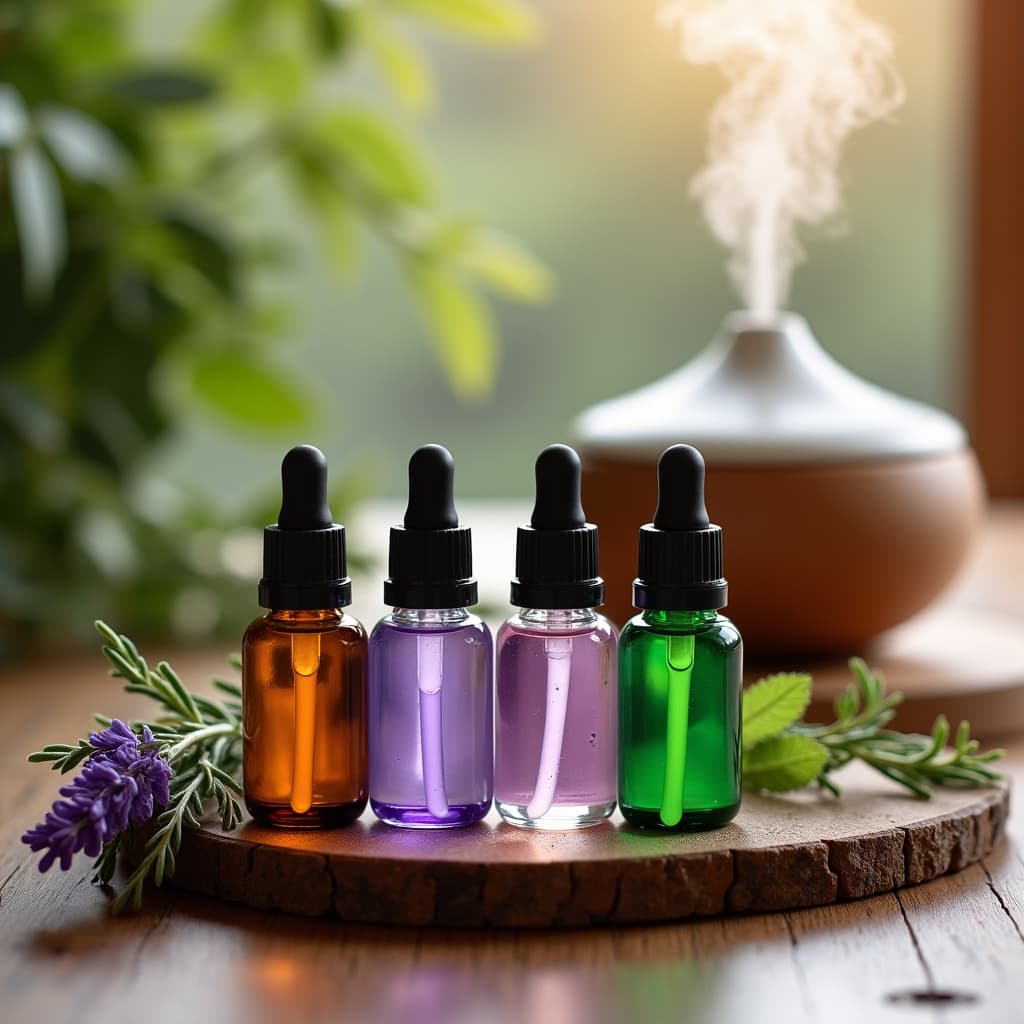
Essential oils occupy a strange space in the anti-inflammatory conversation. On one side, there is legitimate research showing that certain plant-derived volatile compounds interact with inflammatory pathways in measurable ways. On the other side, there is an enormous industry making claims that outrun the evidence by miles.
This guide separates the two. We will cover which essential oils have genuine anti-inflammatory research behind them, how they work mechanistically, the best evidence-backed ways to use them, and where the marketing gets ahead of the science.
Important up front: essential oils are not replacements for an anti-inflammatory diet or medical treatment. They are complementary tools with specific, localized applications.
How Essential Oils Affect Inflammation
Essential oils are concentrated plant volatile compounds extracted through steam distillation or cold pressing. The anti-inflammatory mechanisms of the best-studied essential oils include:
- COX-2 and LOX inhibition: Some terpenes and sesquiterpenes directly inhibit the enzymes that produce inflammatory prostaglandins and leukotrienes.
- NF-kB suppression: Certain compounds (alpha-pinene, 1,8-cineole, boswellic acids) reduce the activation of NF-kB, the master inflammatory transcription factor.
- Cytokine modulation: TNF-alpha, IL-1beta, and IL-6 production can be reduced by specific essential oil compounds when applied topically or inhaled.
- Antioxidant activity: Many essential oils scavenge reactive oxygen species that fuel inflammatory cascading.
The primary routes of exposure are topical application (diluted in a carrier oil) and inhalation (diffusion or direct inhalation). Oral ingestion of essential oils is generally not recommended without professional guidance due to toxicity risks.
The Best Anti-Inflammatory Essential Oils
1. Frankincense (Boswellia)
Frankincense oil, derived from Boswellia trees, contains boswellic acids that specifically inhibit 5-lipoxygenase (5-LOX). This is the same mechanism that makes oral Boswellia supplements effective for arthritis and inflammatory bowel conditions (see our supplements guide).
The evidence: A 2020 systematic review in Journal of Traditional and Complementary Medicine found that frankincense essential oil reduced inflammatory markers in multiple in vitro and animal studies. A 2022 human trial found that topical frankincense oil (diluted 5 percent in coconut oil) applied to osteoarthritic knee joints twice daily for 6 weeks reduced pain scores and improved function compared to placebo oil.
A 2023 study in Phytomedicine identified AKBA (acetyl-11-keto-beta-boswellic acid) in frankincense oil as the primary anti-inflammatory compound, confirming the same active ingredient found in oral Boswellia supplements.
How to use it: Dilute 3 to 5 drops in 1 tablespoon of carrier oil (coconut, jojoba, or sweet almond oil). Apply topically to inflamed joints or muscles twice daily. For diffusion, use 3 to 5 drops in a 200 mL diffuser for respiratory anti-inflammatory support.
2. Eucalyptus
Eucalyptus oil contains 1,8-cineole (eucalyptol), a monoterpene with documented anti-inflammatory properties. 1,8-cineole inhibits TNF-alpha and IL-1beta production and reduces neutrophil migration to inflammation sites.
The evidence: A 2013 randomized trial in Clinical Respiratory Journal found that oral cineole capsules (200 mg, 3x daily) significantly reduced exacerbation frequency in COPD patients. For topical application, a 2022 study in European Journal of Pharmacology found that eucalyptus oil reduced inflammation and pain in a musculoskeletal inflammation model through COX-2 inhibition.
Eucalyptus oil is a primary ingredient in many OTC topical pain relievers (Vicks VapoRub, Tiger Balm variants), which speaks to its established anti-inflammatory reputation even outside the essential oil community.
How to use it: Topical: dilute 3 to 5 drops in carrier oil for muscle and joint application. Inhalation: add 3 drops to a bowl of hot water and inhale steam for respiratory inflammation (sinusitis, bronchitis). Diffusion: 4 to 6 drops in a diffuser for airway anti-inflammatory benefits.
3. Lavender
Lavender oil (Lavandula angustifolia) contains linalool and linalyl acetate, compounds that reduce inflammation through multiple pathways: NF-kB suppression, reduced mast cell activation, and decreased histamine release.
The evidence: A 2023 meta-analysis in Complementary Therapies in Clinical Practice found that lavender aromatherapy significantly reduced cortisol levels and self-reported pain in clinical settings. Cortisol reduction is relevant because chronic cortisol elevation drives systemic inflammation.
A 2022 study in BMC Complementary Medicine found that topical lavender oil (2 percent concentration in carrier oil) reduced post-surgical inflammation and pain scores in a 200-patient randomized trial. The anti-inflammatory effect was attributed to linalool's inhibition of prostaglandin E2 synthesis.
How to use it: Topical: 2 to 5 drops in carrier oil. Lavender is one of the gentlest essential oils and can be used more liberally than most. Diffusion: 5 to 7 drops for sleep support (better sleep reduces systemic inflammation). Bath: 5 to 10 drops mixed into Epsom salts, then dissolved in warm bathwater.
4. Peppermint
Peppermint oil contains menthol (30 to 50 percent) and menthone, which provide both anti-inflammatory and analgesic effects. Menthol activates TRPM8 receptors, producing a cooling sensation that provides immediate pain relief, while the underlying terpenoids reduce local inflammation.
The evidence: A 2019 meta-analysis in BMC Complementary and Alternative Medicine found that topical peppermint oil was effective for tension headache relief, with efficacy comparable to acetaminophen. For IBS, peppermint oil capsules (enteric-coated) have been shown in multiple trials to reduce intestinal inflammation and cramping.
How to use it: Topical: 2 to 3 drops in carrier oil for headaches (apply to temples and neck), muscle soreness, and joint pain. The cooling sensation provides immediate comfort while anti-inflammatory compounds work over hours. Do not apply near eyes or mucous membranes.
5. Tea Tree
Tea tree oil (Melaleuca alternifolia) contains terpinen-4-ol, which suppresses inflammatory cytokine production. Its anti-inflammatory properties are well-documented for skin conditions.
The evidence: A 2023 review in Clinical and Experimental Dermatology found that tea tree oil reduced inflammatory lesions in acne, eczema, and contact dermatitis. A 2021 randomized trial found that 5 percent tea tree oil gel reduced acne lesion counts by 43 percent over 12 weeks, comparable to 5 percent benzoyl peroxide but with fewer side effects.
How to use it: Topical only. Dilute to 2 to 5 percent concentration in carrier oil for skin inflammation. For acne, apply directly to lesions using a cotton swab with 5 percent tea tree oil in a lightweight carrier. Never ingest tea tree oil (it is toxic when swallowed).
6. Rosemary
Rosemary oil contains carnosic acid, carnosol, and rosmarinic acid, all of which inhibit NF-kB and reduce COX-2 expression. Rosmarinic acid specifically has been studied for allergic inflammation, where it inhibits histamine release from mast cells.
The evidence: A 2022 study in Phytotherapy Research found that rosemary oil inhalation reduced cortisol and improved cognitive performance under stress. Topically, a 2023 trial found rosemary oil (3 percent in carrier) reduced muscle soreness and inflammatory markers (CRP in local tissue fluid) after eccentric exercise compared to placebo oil.
How to use it: Topical: 3 to 5 drops in carrier oil for muscle recovery and joint discomfort. Diffusion: 4 to 6 drops for stress-related inflammation and cognitive support. Culinary: fresh rosemary in cooking provides the same compounds through a dietary route.
7. Ginger Essential Oil
Ginger essential oil contains concentrated gingerols and zingiberene, the same compounds that make dietary ginger anti-inflammatory. The essential oil provides these compounds in a topical delivery format.
The evidence: A 2022 randomized trial in Complementary Therapies in Medicine found that ginger oil massage (2 percent in carrier oil) reduced pain and stiffness in knee osteoarthritis patients over 4 weeks. The mechanism involved reduced local PGE2 (prostaglandin E2) levels in joint fluid.
How to use it: Topical: 3 to 5 drops in carrier oil for joint and muscle inflammation. Ginger oil has a warming effect that complements peppermint's cooling action. Alternating the two provides interesting sensory and therapeutic variety.
What Does Not Work (or Lacks Evidence)
Lemongrass for systemic inflammation: Some marketing claims suggest lemongrass oil reduces systemic inflammatory markers when diffused. The evidence does not support this. Lemongrass has mild topical anti-inflammatory activity, but diffusing it will not lower your CRP.
Any essential oil for internal inflammatory diseases: Essential oils are not treatments for rheumatoid arthritis, IBD, lupus, or other systemic inflammatory conditions. Topical application may help with localized symptoms (joint pain, skin inflammation), but they do not address the underlying immune dysregulation.
"Miracle blend" proprietary mixes: Multi-oil blends marketed as inflammation cures often combine subtherapeutic amounts of many oils. Single-ingredient oils at appropriate dilutions are more predictable and better studied.
Safety Rules (Non-Negotiable)
- Always dilute. Essential oils are highly concentrated. Apply them undiluted ("neat") only if specifically trained to do so. Standard dilution is 2 to 5 percent (roughly 3 to 10 drops per tablespoon of carrier oil).
- Patch test first. Apply diluted oil to a small area of your inner forearm. Wait 24 hours. If redness, itching, or irritation develops, do not use that oil.
- Do not ingest without professional guidance. Most essential oils are toxic when swallowed, even in small amounts. Tea tree and eucalyptus are especially dangerous if ingested.
- Keep away from children and pets. Many essential oils are toxic to cats and dogs, even when diffused. Eucalyptus, tea tree, peppermint, and wintergreen are particularly risky for pets.
- Check medication interactions. Some essential oils (eucalyptus, peppermint) can affect drug metabolism. Consult your pharmacist if you take prescription medications.
- Buy quality. Look for oils labeled with the botanical name, country of origin, extraction method, and ideally GC/MS (gas chromatography/mass spectrometry) testing results. Cheap essential oils are often adulterated with synthetic fragrances.
How to Build an Anti-Inflammatory Essential Oil Routine
Morning: Diffuse 3 drops rosemary + 2 drops eucalyptus while getting ready. Supports alertness and provides mild respiratory anti-inflammatory benefit.
Post-exercise: Apply 3 drops frankincense + 2 drops peppermint in 1 tablespoon coconut oil to sore muscles and joints. The combination provides both immediate cooling relief and sustained anti-inflammatory action.
Evening: Diffuse 5 drops lavender 30 minutes before bed. Better sleep reduces systemic inflammation. Add lavender-infused Epsom salt baths 2 to 3 times per week for joint and muscle recovery.
For skin inflammation: Apply 2 drops tea tree in 1 teaspoon jojoba oil to affected areas twice daily.
FAQ
Do essential oils really reduce inflammation?
Specific essential oils (frankincense, eucalyptus, lavender, peppermint) have documented anti-inflammatory mechanisms in clinical studies. The effects are localized (topical application reduces inflammation at the application site) or indirect (inhalation reduces cortisol, which in turn reduces systemic inflammation). They are not as powerful as NSAIDs or dietary changes, but they provide meaningful complementary benefit.
Which essential oil is best for joint inflammation?
Frankincense has the strongest evidence for joint inflammation specifically, due to its boswellic acid content that inhibits 5-LOX. Peppermint provides immediate pain relief through menthol. A combination of frankincense and peppermint in carrier oil, applied twice daily, is a practical approach for joint discomfort.
Can I use essential oils instead of anti-inflammatory medication?
Essential oils should complement, not replace, medical treatment for inflammatory conditions. For mild muscle soreness or tension headaches, topical essential oils may be sufficient. For chronic inflammatory diseases (arthritis, IBD, autoimmune conditions), work with your doctor on a treatment plan that may include essential oils as one component.
How long do essential oils take to work for inflammation?
Topical application produces localized effects within 15 to 30 minutes (especially peppermint's cooling and analgesic effect). Sustained anti-inflammatory benefits from regular use typically develop over 2 to 6 weeks. Aromatherapy effects on cortisol and stress-related inflammation begin within minutes of inhalation.
The Bottom Line
The best anti-inflammatory essential oils are frankincense, eucalyptus, lavender, and peppermint, each with multiple clinical trials supporting their use. They work through specific, documented mechanisms (5-LOX inhibition, COX-2 reduction, cytokine modulation) and are most effective when applied topically in proper dilution or inhaled through diffusion.
Essential oils complement an anti-inflammatory lifestyle. They do not replace dietary strategies, supplements, or medical treatment. Use them as one tool in a broader approach, and track your overall inflammatory load with the Inflamous app and your Dietary Inflammatory Index score.