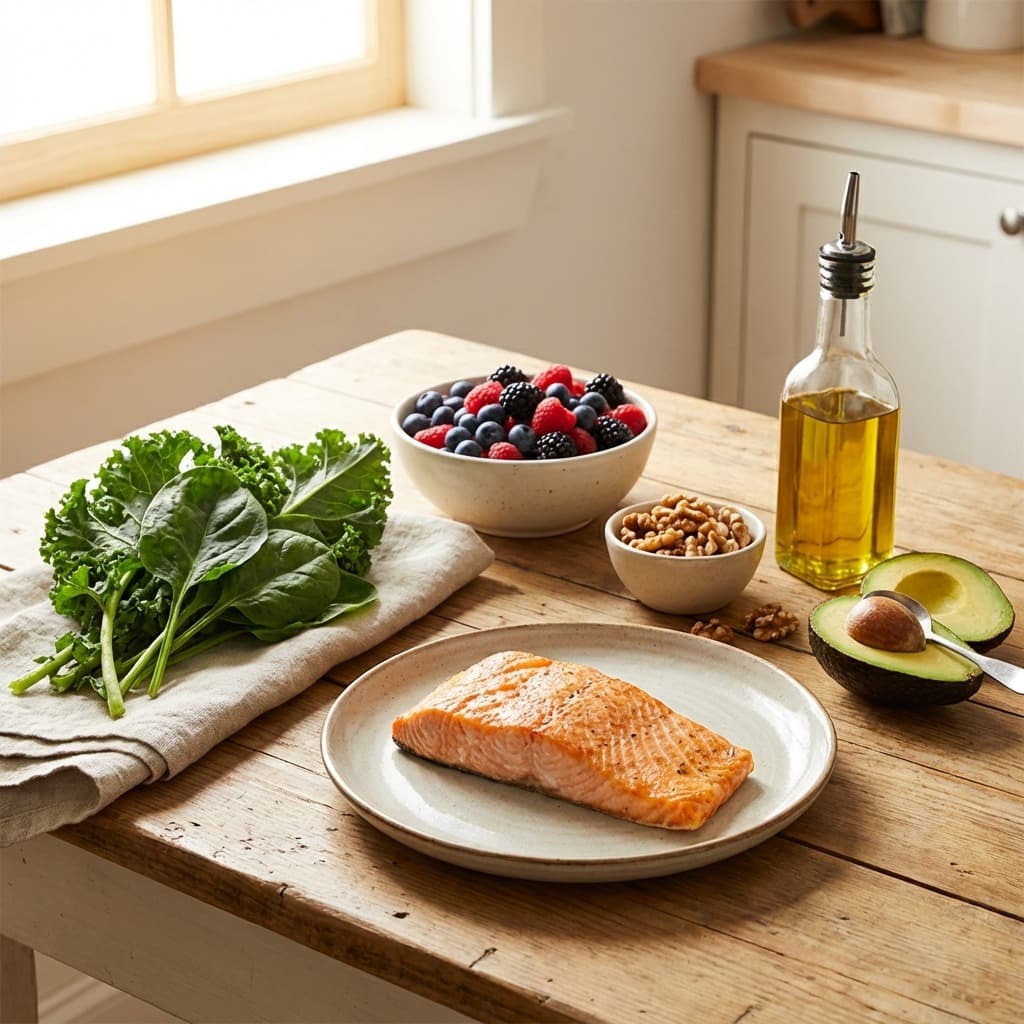
Acne is not just a skin problem. It's an inflammatory condition. The same cytokines, oxidative stress, and immune responses that drive joint pain and gut inflammation also trigger the redness, pustules, and scarring that come with breakouts.
An anti-inflammatory diet for acne works by attacking these root causes: high insulin levels that spike sebum production, pro-inflammatory foods that upregulate the cytokines driving acne lesions, and gut dysbiosis that shows up on your face.
Here's what the science says and exactly what to eat.
Why Acne Is an Inflammatory Disease
A pimple starts before you can see it. Sebum (skin oil) overproduction clogs a pore. Bacteria, specifically Cutibacterium acnes, colonize the blocked follicle. Your immune system detects the bacteria and mounts an inflammatory response. The result is the red, swollen, painful lesion you know as a pimple.
Every step in this chain is influenced by diet:
- Sebum production is regulated partly by androgens and insulin-like growth factor 1 (IGF-1), both of which spike with high-glycemic diets and dairy consumption.
- Bacterial colonization is worsened by a gut microbiome disrupted by processed foods, sugar, and low fiber intake.
- Inflammatory response is amplified by omega-6 heavy diets, deficiencies in zinc and vitamin A, and elevated inflammatory cytokines from poor eating.
A 2022 meta-analysis in the Journal of the American Academy of Dermatology confirmed that dietary interventions targeting insulin sensitivity and inflammation produced significant reductions in acne lesion counts.
The Dietary Inflammatory Index and Skin Health
The Dietary Inflammatory Index (DII) rates foods and diets on a spectrum from pro-inflammatory to anti-inflammatory, based on their effects on key inflammatory biomarkers. Higher DII scores correlate with more severe acne.
A 2020 study in Nutrients found that acne patients had significantly higher DII scores than controls, and that improving diet quality (lower DII) resulted in measurable improvements in both acne severity and quality of life.
This is the principle behind the Inflamous app: every food you eat gets scored on the DII so you can see exactly where your diet stands and how specific foods are affecting your inflammation.
Anti-Inflammatory Foods for Acne
Fatty Fish
Salmon, sardines, mackerel, and anchovies are rich in EPA and DHA. These omega-3 fatty acids directly reduce leukotriene B4, the primary driver of acne-related inflammation. A 2014 study in Lipids in Health and Disease found omega-3 supplementation significantly reduced acne lesion counts over 10 weeks. Aim for 2-3 servings per week.
Zinc-Rich Foods
Zinc is one of the best-studied nutrients for acne. It inhibits C. acnes proliferation, reduces keratinocyte inflammation, and suppresses IL-8, a key cytokine in acne formation. Pumpkin seeds, chickpeas, hemp seeds, oysters, and beef are excellent sources.
A 2020 systematic review found oral zinc supplementation was significantly more effective than placebo for acne, with effects comparable to tetracycline antibiotics in some trials.
Colorful Vegetables and Berries
Polyphenols from berries, leafy greens, and deeply colored vegetables combat the oxidative stress that triggers acne-related inflammation. Blueberries, spinach, kale, red cabbage, and beets are particularly potent. They also feed the gut bacteria that regulate skin immunity.
Green Tea
Green tea contains EGCG (epigallocatechin gallate), which directly inhibits sebum production and reduces C. acnes-induced inflammation. A 2016 randomized controlled trial found that topical green tea extract significantly reduced sebum production and acne lesions. Drinking it provides systemic benefits too.
Fermented Foods
Kefir, kimchi, sauerkraut, and plain yogurt introduce beneficial bacteria that strengthen the gut barrier, reduce systemic inflammation, and modulate the skin immune response via the gut-skin axis. See our full guide on fermented foods and inflammation.
Olive Oil
Extra virgin olive oil's polyphenols reduce NF-kB activity, the primary inflammatory switch, and provide vitamin E, an antioxidant that protects skin cells from oxidative damage. Use it liberally in cooking and dressings.
Vitamin A-Rich Foods
Vitamin A regulates keratinocyte turnover and reduces sebum production, which is why retinoids (synthetic vitamin A derivatives) are a standard acne treatment. Dietary vitamin A from sweet potatoes, carrots, squash, and eggs supports these same mechanisms more gently.
Foods That Trigger Acne
High-Glycemic Foods
This is the most evidence-backed dietary acne trigger. White bread, white rice, sugary cereals, candy, soda, pastries, and processed snack foods cause rapid blood sugar spikes. These spikes trigger insulin and IGF-1 release, which increases sebum production and triggers inflammatory signaling in the skin.
A landmark 2007 randomized controlled trial published in the American Journal of Clinical Nutrition found that acne patients on a low-glycemic diet had significantly fewer lesions after 12 weeks compared to controls eating a standard Western diet.
Dairy
The dairy-acne link is one of the most replicated findings in dermatology nutrition research. Multiple systematic reviews have found associations between dairy consumption, particularly skim milk, and acne severity.
Dairy stimulates IGF-1, and milk contains androgen precursors that promote sebum production. Whey protein, popular in fitness circles, is an even more potent driver. If you're a regular dairy consumer with persistent acne, a 6-week elimination trial is worth doing.
Processed Foods and Seed Oils
Ultra-processed foods are high in omega-6 fatty acids from soybean, corn, and sunflower oils. Excess omega-6 promotes the production of pro-inflammatory eicosanoids. The omega-6 to omega-3 ratio in the modern Western diet has shifted dramatically from a historical 2:1 to as high as 20:1, a ratio that fuels chronic skin inflammation.
Read more about the omega-6 vs omega-3 balance.
Sugar
Sugar in all forms drives glycation (the binding of sugar to proteins, damaging collagen), feeds inflammatory gut bacteria, and spikes insulin. For acne specifically, it's the insulin spike that matters most.
Learn more about sugar and inflammation.
Whey Protein
Whey is rapidly absorbed and causes a pronounced IGF-1 spike, more so than whole dairy. Multiple case reports and small studies link whey protein supplementation to new or worsening acne, including in adults who had clear skin previously. If you use protein supplements, try switching to plant-based protein (pea, hemp, rice) for 6-8 weeks and observe changes.
Alcohol
Alcohol raises cortisol, disrupts gut bacteria, increases intestinal permeability, and raises inflammatory markers. These effects compound to worsen acne. Even moderate alcohol consumption increases blood levels of TNF-alpha and IL-6.
The Gut-Skin Axis: Why Your Gut Bacteria Show on Your Face
The gut microbiome communicates constantly with your skin through shared immune pathways, known as the gut-skin axis. When gut bacteria are disrupted by poor diet, the skin immune system goes into a pro-inflammatory state.
Acne patients have measurably different gut microbiome profiles compared to clear-skinned controls. They have less Lactobacillus and Bifidobacterium and more pro-inflammatory species. A diet high in fiber from vegetables, legumes, and whole grains feeds the beneficial bacteria that keep skin calm.
See our guide to anti-inflammatory foods for gut health for the full breakdown.
Practical Anti-Inflammatory Meal Plan for Acne
Breakfast options:
- Overnight oats (rolled oats, not instant) with blueberries, walnuts, and cinnamon
- Scrambled eggs with spinach and avocado on sourdough or whole grain toast
- Smoothie: kale, frozen berries, ground flaxseed, almond milk, no added sugar
Lunch options:
- Large salad with leafy greens, sardines, pumpkin seeds, olive oil, and lemon
- Chickpea bowl with roasted vegetables and tahini
- Lentil soup with turmeric and a side of whole grain bread
Dinner options:
- Baked salmon with steamed broccoli and quinoa
- Stir-fried tofu with bok choy, ginger, garlic, and brown rice
- Turkey and vegetable stew with sweet potato
Snacks:
- Celery with almond butter
- Handful of walnuts and a green tea
- Apple slices (apple is lower glycemic than most fruit)
Micronutrients That Specifically Help Acne
| Nutrient | Role in Acne | Best Food Sources | |----------|--------------|-------------------| | Zinc | Reduces C. acnes proliferation and IL-8 | Pumpkin seeds, oysters, beef, chickpeas | | Omega-3 (EPA/DHA) | Reduces leukotriene B4 | Fatty fish, flaxseed, walnuts | | Vitamin A | Regulates keratinocyte turnover | Sweet potato, carrots, eggs, liver | | Vitamin E | Antioxidant protection | Almonds, sunflower seeds, olive oil | | Selenium | Reduces oxidative stress | Brazil nuts, sardines, eggs | | Probiotics | Gut-skin axis support | Kefir, kimchi, plain yogurt |
Frequently Asked Questions
How long does an anti-inflammatory diet take to clear acne?
Most people see noticeable improvement within 4-6 weeks. The glycemic and insulin effects are relatively fast (2-3 weeks), while gut microbiome shifts that improve skin immunity take 4-8 weeks. Commit to at least 8-12 weeks before evaluating results.
Is dairy really that bad for acne?
For many people, yes. The evidence linking dairy, especially skim milk and whey protein, to acne is consistent across multiple studies and countries. A 4-6 week elimination trial is the most reliable way to test your individual response. Swap to almond, oat, or coconut milk and observe.
Does chocolate cause acne?
Dark chocolate with 70%+ cocoa is actually anti-inflammatory and is unlikely to worsen acne. Milk chocolate is a different story, combining sugar and dairy. If chocolate seems to trigger breakouts for you, try switching to high-percentage dark chocolate and see if the pattern changes.
Can I take zinc supplements for acne?
Yes, zinc supplementation has solid evidence for acne. The most studied forms are zinc sulfate (80mg elemental zinc) and zinc gluconate. Lower doses of 25-50mg of elemental zinc are also effective and less likely to cause nausea. Take with food. Long-term high-dose zinc can deplete copper, so don't exceed doses without medical guidance.
Should I try an elimination diet for acne?
A systematic elimination diet, removing dairy, gluten, sugar, and processed foods for 4-6 weeks, can reveal individual triggers that general dietary advice might miss. Reintroduce foods one at a time and track your skin response. The Inflamous app is designed to make this kind of tracking systematic.
For the broader picture on skin health and inflammation, see Anti-Inflammatory Foods for Skin. For the DII scoring methodology, visit our Science page.