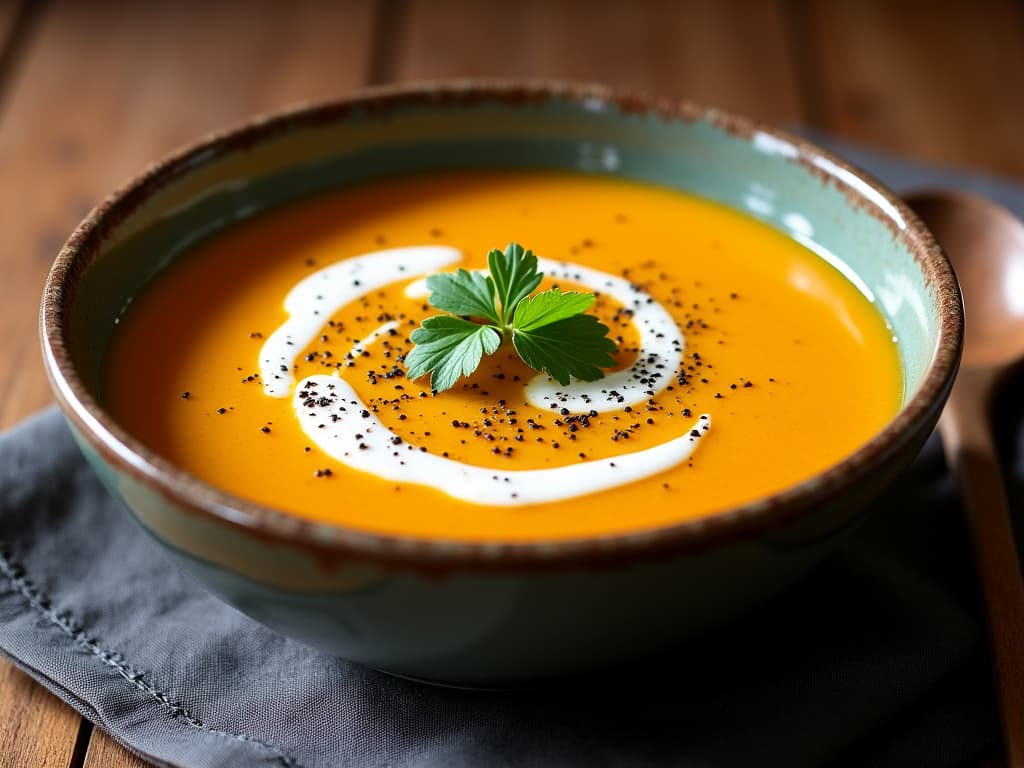
Soup is one of the most efficient delivery mechanisms for anti-inflammatory ingredients. You're concentrating polyphenols, minerals, and bioactive compounds into a hot liquid that's quickly absorbed. A well-built anti-inflammatory soup gets turmeric, ginger, garlic, legumes, and leafy greens into a single bowl that takes 30 minutes to make and keeps for 5 days in the fridge.
This guide gives you 10 recipes, the DII science behind each one, and a primer on building your own anti-inflammatory soups from scratch.
The Science: Why Soup Hits Multiple Anti-Inflammatory Pathways at Once
When you make a soup with anti-inflammatory ingredients, a few things happen that don't happen when you eat those same ingredients separately:
Bioavailability increases with heat. Some anti-inflammatory compounds become more available when cooked. Lycopene in tomatoes, for example, becomes 2.5x more bioavailable after cooking. Beta-carotene in sweet potatoes and carrots is more accessible after heat breaks down cell walls.
Fat-soluble compounds need oil. Turmeric's curcumin and many carotenoids are fat-soluble — they require dietary fat to be absorbed. A soup made with olive oil carries these compounds into the bloodstream far more effectively than a raw preparation.
Broth concentrates minerals. When you simmer vegetables or bones for an extended period, minerals including magnesium, calcium, and potassium leach into the liquid. Magnesium deficiency is independently associated with elevated CRP.
The gut receives a pre-softened, easy-to-process meal. For anyone with IBS or gut inflammation, soup is often better tolerated than raw vegetables because the heat has already begun the breakdown process.
Anti-Inflammatory Soup Foundations
Base Broth Options
Before the recipes, here are the two best anti-inflammatory soup bases:
Turmeric-Ginger Vegetable Broth Simmer 1 onion, 3 garlic cloves, 2-inch fresh ginger, 1 tsp turmeric, 1 tsp black pepper, 2 carrots, 2 celery stalks in 8 cups water for 45 minutes. Strain and use as your base. This broth alone has notable anti-inflammatory activity from the ginger gingerols, turmeric curcumin, and garlic allicin.
Bone Broth Base Roast chicken carcass or beef marrow bones at 425°F for 30 minutes, then simmer in water with apple cider vinegar (helps extract collagen) for 6-24 hours. The collagen peptides in bone broth have been shown to reduce intestinal permeability ("leaky gut"), which is a direct driver of systemic inflammation. Use as a base for any of the recipes below.
10 Anti-Inflammatory Soup Recipes
1. Classic Turmeric Lentil Soup
This is the most DII-negative soup you can make from pantry staples. The combination of lentils (fiber + polyphenols), turmeric + black pepper, ginger, and olive oil delivers anti-inflammatory activity through four distinct pathways simultaneously.
Ingredients:
- 1 cup red lentils, rinsed
- 1 can (14 oz) diced tomatoes
- 1 large onion, diced
- 4 garlic cloves, minced
- 1-inch fresh ginger, grated
- 1.5 tsp turmeric
- 1 tsp cumin
- 1/2 tsp black pepper
- 1/4 tsp cayenne (optional)
- 3 tbsp olive oil
- 4 cups vegetable broth
- Juice of 1 lemon
- Fresh cilantro to finish
Method: Heat olive oil, sauté onion 5 minutes. Add garlic and ginger, cook 2 minutes. Add all spices, stir 30 seconds. Add lentils, tomatoes, broth. Bring to boil, reduce and simmer 25 minutes until lentils dissolve. Stir in lemon juice. Finish with cilantro.
This is also the base for lentil soup as a stand-alone food in the Inflamous database — one of the highest-scoring prepared foods available.
2. Ginger Miso Broth With Tofu and Bok Choy
Miso is fermented, which means it contains live probiotics that reduce gut inflammation. Ginger adds direct COX-2 inhibition. Bok choy provides glucosinolates that support the liver's detoxification pathways.
Ingredients:
- 4 cups water or dashi broth
- 3 tbsp white miso paste
- 1-inch fresh ginger, sliced thin
- 2 cups bok choy, chopped
- 1 block silken tofu, cubed
- 2 tbsp tamari or soy sauce
- 1 sheet nori, cut into strips
- Green onions to finish
- Sesame oil (drizzle at end, not cooked)
Method: Bring broth and ginger slices to a gentle simmer (never boil miso — heat kills probiotics). Remove a ladleful, dissolve miso in it, return to pot. Add bok choy and tofu, simmer 5 minutes. Stir in nori and green onions. Finish with a few drops of sesame oil.
3. Ginger Carrot Coconut Soup
Beta-carotene from carrots converts to vitamin A, which regulates the immune response and has documented anti-inflammatory effects. Coconut milk provides MCTs. Fresh ginger provides gingerols.
Ingredients:
- 6 large carrots, roughly chopped
- 1 large onion, diced
- 4 garlic cloves
- 2-inch fresh ginger, chopped
- 1 can (14 oz) coconut milk
- 3 cups vegetable broth
- 2 tbsp olive oil or coconut oil
- 1/2 tsp turmeric
- Salt and pepper
- Juice of 1 lime
- Pumpkin seeds and fresh cilantro to finish
Method: Sauté onion and garlic in oil until soft. Add ginger, turmeric, cook 2 minutes. Add carrots and broth, simmer until carrots are very tender, about 20 minutes. Blend completely smooth. Stir in coconut milk and lime juice. Reheat gently. Top with pumpkin seeds.
4. Anti-Inflammatory Chicken Soup
The classic, but built with intention. We're adding turmeric, ginger, and extra vegetables to turn nostalgic chicken soup into something measurably anti-inflammatory.
Ingredients:
- 1.5 lbs bone-in chicken thighs (skin on for flavor, remove before serving if preferred)
- 3 carrots, sliced
- 3 celery stalks, sliced
- 1 large onion, diced
- 4 garlic cloves, minced
- 1-inch fresh ginger, grated
- 1.5 tsp turmeric
- 1 tsp dried thyme
- 8 cups chicken or bone broth
- 2 cups kale or spinach, chopped
- 1 cup quinoa or rice (added last 15 minutes)
- Salt, pepper, lemon juice to finish
Method: Bring broth and chicken thighs to boil, skim foam, reduce to simmer 20 minutes. Remove chicken, shred meat, discard bones. Sauté vegetables in a separate pot with olive oil 5 minutes, add to broth with spices and chicken. Add quinoa last 15 minutes. Finish with kale (it wilts in 2-3 minutes) and lemon juice.
For more on how diet affects joint pain, chicken soup made this way is a good weekly anchor.
5. Black Bean and Sweet Potato Soup
Black beans are among the most anti-inflammatory legumes. Their dark color signals high anthocyanin content. Sweet potato provides beta-carotene and resistant starch.
Ingredients:
- 2 cans black beans, drained and rinsed
- 2 medium sweet potatoes, diced small
- 1 can diced tomatoes with green chiles
- 1 large onion, diced
- 4 garlic cloves, minced
- 2 tsp cumin
- 1 tsp smoked paprika
- 1 tsp turmeric
- 1/2 tsp black pepper
- 4 cups vegetable broth
- 2 tbsp olive oil
- Juice of 2 limes
- Avocado, cilantro, pumpkin seeds to finish
Method: Sauté onion in olive oil 5 minutes. Add garlic and spices, cook 1 minute. Add sweet potatoes, beans, tomatoes, broth. Simmer 20-25 minutes until sweet potato is tender. Partially blend for a creamy-chunky texture. Finish with lime juice. Top with avocado slices and pumpkin seeds.
6. Broccoli Leek Soup With Tahini
Broccoli contains sulforaphane, one of the most extensively studied anti-inflammatory and anticancer compounds in food. Leeks provide quercetin. Tahini adds sesamin lignans and healthy fat.
Ingredients:
- 1 large head broccoli (florets + peeled stem, chopped)
- 2 leeks, white and light green parts, sliced
- 3 garlic cloves
- 3 cups vegetable broth
- 1 can (14 oz) coconut milk or 1 cup Greek yogurt (for creaminess)
- 3 tbsp tahini
- 2 tbsp olive oil
- Juice of 1 lemon
- Salt, white pepper, crushed red pepper flakes
Method: Sauté leeks in olive oil 8 minutes until soft. Add garlic 2 minutes. Add broccoli and broth, bring to boil, simmer until broccoli is very tender (10 minutes). Blend smooth. Stir in tahini and coconut milk or yogurt. Season, finish with lemon juice.
7. Salmon Miso Chowder
Wild salmon in a soup context delivers the same omega-3 potency as grilled salmon. Miso fermentation provides probiotics. This is one of the highest DII-negative soups you can make.
Ingredients:
- 1 lb wild salmon fillet, skinless, cut into chunks
- 2 tbsp white miso paste
- 1 large leek, sliced
- 2 stalks celery, sliced
- 2 medium potatoes or 1 large sweet potato, diced
- 4 cups light fish or vegetable broth
- 1 cup coconut milk
- 2 garlic cloves, minced
- 1 tbsp olive oil
- Fresh dill and lemon to finish
Method: Sauté leek and celery in olive oil. Add garlic, potatoes, broth. Simmer until potatoes are nearly tender, 15 minutes. Dissolve miso in a small amount of broth and return to pot. Add salmon and coconut milk, simmer gently 5-7 minutes until salmon is just cooked through. Never boil after adding miso. Finish with fresh dill and lemon.
This mirrors the DII credentials of wild salmon in bowl form.
8. Tomato Basil Soup With Olive Oil
Tomatoes cooked in olive oil is one of the most studied food combinations for anti-inflammatory effect. The fat-soluble lycopene in tomatoes requires dietary fat for absorption, and lycopene's bioavailability increases 2.5x with heat processing.
Ingredients:
- 2 cans (28 oz each) crushed tomatoes
- 6 garlic cloves, smashed
- 1 large onion, diced
- 1/2 cup fresh basil (or 2 tbsp dried)
- 1/4 cup olive oil (genuinely generous)
- 1 tsp smoked paprika
- 1/2 tsp red pepper flakes
- 2 cups vegetable broth
- Salt, black pepper
- Splash of balsamic vinegar to finish
Method: Sauté onion in olive oil 8 minutes. Add garlic, cook 3 minutes. Add all remaining ingredients. Simmer 25 minutes. Blend smooth. Season and finish with balsamic.
9. Bone Broth Pho With Anti-Inflammatory Add-Ins
Traditional pho broth is already excellent for inflammation thanks to bone broth collagen and star anise (anethole, an anti-inflammatory terpenoid). We're building on that.
Ingredients (broth):
- 8 cups bone broth (homemade or high-quality store bought)
- 4 star anise
- 2-inch cinnamon stick
- 4 cloves
- 1-inch fresh ginger, sliced
- 1 tbsp fish sauce
- 1 tsp turmeric
Toppings:
- Rice noodles (cooked separately)
- Grilled chicken sliced thin, or shrimp
- Bean sprouts, fresh basil, cilantro, mint
- Sliced jalapeño
- Lime wedges
Method: Simmer all broth ingredients 30 minutes. Strain spices. Taste and adjust fish sauce. Bowl up with noodles, protein, and toppings.
10. Creamy White Bean and Kale Soup
White beans (cannellini) are one of the highest-fiber legumes. Kale provides sulforaphane and quercetin. Rosemary provides rosmarinic acid, a potent anti-inflammatory polyphenol.
Ingredients:
- 2 cans white beans (cannellini), one can drained, one with liquid
- 1 large bunch kale, stems removed, chopped
- 1 can diced tomatoes
- 1 large onion, diced
- 4 garlic cloves, minced
- 1 sprig fresh rosemary (or 1 tsp dried)
- 1/2 tsp smoked paprika
- 4 cups vegetable or chicken broth
- 3 tbsp olive oil
- Juice of 1 lemon
- Parmesan rind (optional, adds depth)
Method: Sauté onion in olive oil 5 minutes. Add garlic and rosemary, cook 2 minutes. Add tomatoes, beans (including liquid from one can), broth, paprika, and Parmesan rind if using. Simmer 20 minutes. Remove rosemary sprig and Parmesan rind. Add kale and simmer 5-7 minutes until wilted. Blend 1-2 cups of soup and stir back in for creaminess. Finish with lemon.
Building Your Own Anti-Inflammatory Soup Formula
Once you understand the principles, every soup you make can be anti-inflammatory by default:
- Start with an aromatic base: onion + garlic + fresh ginger sautéed in olive oil (not seed oils)
- Add a DII-negative spice blend: turmeric + black pepper + cumin, or ginger + turmeric + coriander
- Choose your protein: lentils, white beans, wild salmon, chicken, tofu, chickpeas
- Add volume with high-scoring vegetables: leafy greens, broccoli, sweet potato, carrots, zucchini
- Finish with acidity: lemon juice or a splash of apple cider vinegar brightens flavor and increases mineral bioavailability
This formula produces a new soup every week without duplicating recipes.
Making Soups Part of Your Anti-Inflammatory Routine
Soups are one of the most practical ways to meal prep for an anti-inflammatory diet. A large batch of turmeric lentil soup or chicken and quinoa soup stores for 5 days and freezes for 3 months.
For the broader picture on anti-inflammatory eating, the complete list of anti-inflammatory foods covers every category. And for managing specific conditions with soup and diet, the rheumatoid arthritis food guide and gut health guide go deeper on targeted approaches.
Track Your Soup's Inflammation Score
The Inflamous app lets you log your soup ingredients and calculate a DII score for the whole bowl. Most of these recipes score between -0.8 and -1.4, placing them firmly in the most anti-inflammatory range of any meal type. Download the app to track your daily DII and see how soup fits into your overall inflammation picture.
This content is educational and not a substitute for medical advice. If you have a specific health condition, work with a healthcare provider on your dietary plan.