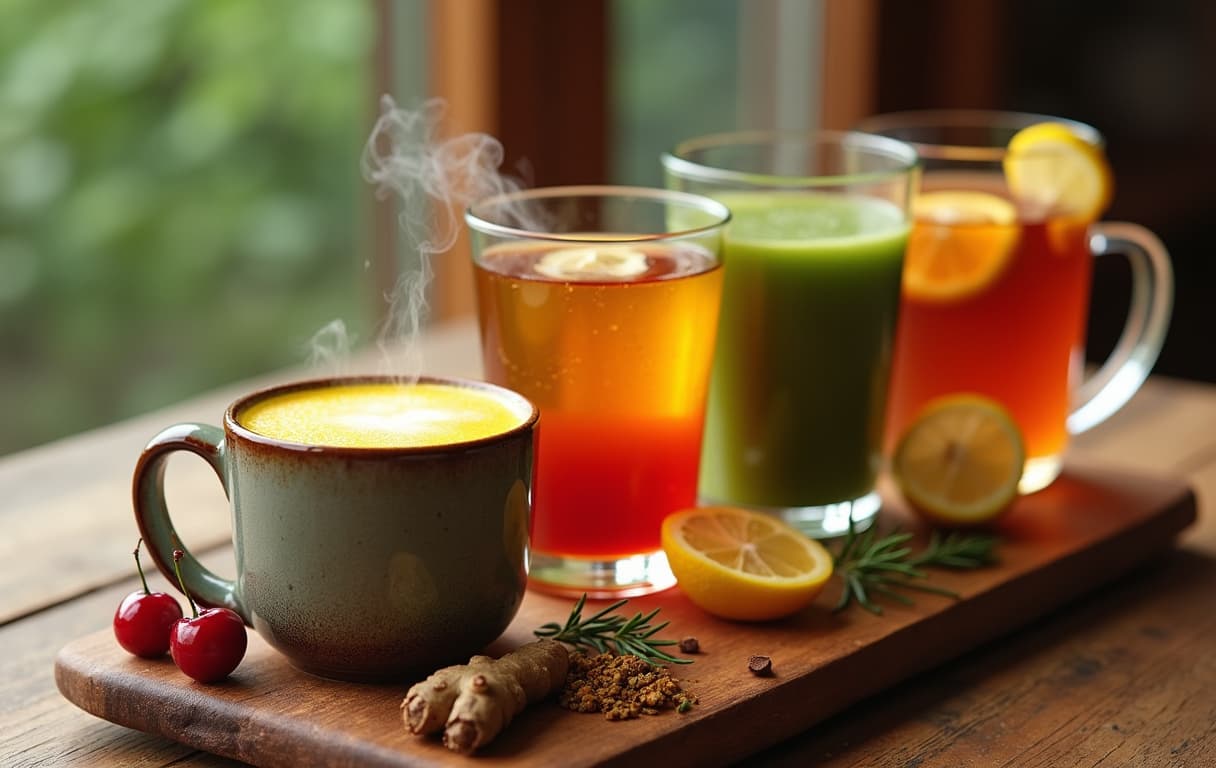
What you drink matters almost as much as what you eat when it comes to inflammation. Some beverages actively reduce inflammatory markers. Others — especially alcohol, sugary sodas, and energy drinks — drive inflammation in ways that can take days to recover from.
The best anti-inflammatory drinks share a few traits: they are rich in polyphenols, antioxidants, or bioactive compounds that directly inhibit inflammatory pathways. Most are plant-based, low in sugar, and have centuries of traditional use backed by modern research.
Here is what the evidence says.
The 10 Best Anti-Inflammatory Drinks
1. Green Tea
Green tea is likely the most well-researched anti-inflammatory beverage on the planet. Its main active compound, EGCG (epigallocatechin gallate), is a potent antioxidant that inhibits the NF-kB inflammatory pathway — the same pathway that many anti-inflammatory drugs target.
Studies show that consistent green tea consumption is associated with lower levels of C-reactive protein (CRP), a key marker of systemic inflammation. Three to four cups per day appears to be the sweet spot for anti-inflammatory benefit.
Check the full green tea inflammation profile on Inflamous.
Best practices:
- Steep at 160-180°F (not boiling — high heat destroys EGCG)
- Add a squeeze of lemon to boost catechin absorption
- Avoid adding sugar or flavored syrups
2. Turmeric Golden Milk
Golden milk is a warm blend of turmeric, black pepper, a fat source, and usually a milk base. It is one of the most bioavailable ways to consume curcumin — turmeric's primary anti-inflammatory compound.
The key is the combination: curcumin alone has poor bioavailability, but pairing it with piperine (black pepper) increases absorption by up to 2,000%. Adding a fat source (coconut oil, whole milk, almond milk) further improves absorption because curcumin is fat-soluble.
Basic golden milk recipe:
- 1 cup unsweetened oat milk or coconut milk
- 1 tsp turmeric powder
- Pinch of black pepper
- 1/2 tsp cinnamon
- 1/4 tsp ginger
- 1 tsp coconut oil or ghee
- 1 tsp raw honey (optional)
Warm gently, whisk, and drink immediately.
See the turmeric inflammation score for why this spice earns its reputation.
3. Tart Cherry Juice
Tart cherry juice has impressive evidence specifically for exercise-related inflammation and arthritis-associated inflammation. Montmorency cherries contain high concentrations of anthocyanins — polyphenols that inhibit both COX-1 and COX-2 enzymes (the same targets as ibuprofen).
Several randomized controlled trials show that tart cherry juice:
- Reduces muscle soreness and recovery time after intense exercise
- Lowers uric acid levels (relevant for gout)
- Reduces levels of CRP and other inflammatory markers
The catch: tart cherry juice is high in sugar. Look for 100% tart cherry juice with no added sugar, or dilute 2 oz concentrate in water. Avoid blends with apple or grape juice added.
4. Ginger Tea
Ginger contains gingerols and shogaols — compounds that inhibit prostaglandin and leukotriene synthesis, both key inflammatory mediators. Ginger is particularly effective for inflammation driven by cyclooxygenase pathways, making it relevant for joint inflammation, menstrual pain, and exercise soreness.
Fresh ginger tea is significantly more potent than dried ginger powder in tea bags:
Simple fresh ginger tea:
- 2-inch piece of fresh ginger, thinly sliced
- 2 cups water
- Boil 10-15 minutes
- Strain, add honey and lemon to taste
Drink 2-3 cups per day for therapeutic effect. Ginger also has well-established anti-nausea properties, making it a good choice for digestive inflammation.
5. Beet Juice
Beet juice is rich in betalains — the pigments that give beets their deep red color. Betalains have demonstrated anti-inflammatory properties in multiple human studies, with particular evidence for reducing NF-kB activity.
Beet juice is also one of the best natural sources of dietary nitrates, which convert to nitric oxide in the body and support vascular health. This makes beet juice a double-threat: anti-inflammatory and cardiovascular.
One study in the Journal of Nutrition found that drinking 500ml of beet juice daily for four weeks significantly reduced CRP levels compared to placebo.
Look for cold-pressed beet juice or make your own. Commercial beet juices are often high in sugar — check labels.
6. Bone Broth
Bone broth is not a polyphenol drink, but it earns its place on this list through a different mechanism: gut lining support. Bone broth is rich in collagen, gelatin, glutamine, and glycine — all of which support the integrity of the intestinal lining.
A permeable gut lining (sometimes called "leaky gut") is a major driver of systemic inflammation. Bacterial endotoxins leak through a damaged intestinal wall and trigger systemic inflammatory responses. Glutamine, found abundantly in bone broth, is the primary fuel source for enterocytes (intestinal lining cells).
Read more about the gut-inflammation connection in our article on fiber and inflammation.
Simmer bones (chicken, beef, or fish) for 12-24 hours with vegetables and apple cider vinegar to maximize mineral and collagen extraction.
7. Pomegranate Juice
Pomegranate contains punicalagins — a class of polyphenols that are metabolized into urolithins by gut bacteria. Urolithins have demonstrated mitochondria-supporting and anti-inflammatory effects in recent research.
Several studies show that pomegranate juice consumption significantly reduces:
- Interleukin-6 (IL-6), a key pro-inflammatory cytokine
- TNF-alpha (tumor necrosis factor)
- CRP levels
The challenge: most commercial pomegranate juices are diluted and high in sugar. Look for 100% pomegranate juice, or blend whole pomegranate seeds.
8. Hibiscus Tea
Hibiscus tea (made from dried Hibiscus sabdariffa petals) has a deep red color from anthocyanins that doubles as their mechanism for anti-inflammatory activity. Human studies show hibiscus tea reduces systolic blood pressure, lowers LDL cholesterol, and reduces inflammatory markers.
It is naturally caffeine-free, making it a good afternoon or evening option for those avoiding stimulants. Brew 2-3 teaspoons of dried hibiscus per cup, steep 5-10 minutes.
9. Water (with Lemon or Cucumber)
Basic hydration is profoundly anti-inflammatory and significantly underrated. Dehydration concentrates pro-inflammatory compounds in the blood and impairs lymphatic drainage — the body's waste-clearance system.
Adding lemon adds vitamin C and polyphenols. Adding cucumber adds cucurbitacin, a compound with anti-inflammatory properties. Neither dramatically changes the anti-inflammatory math — the water itself is doing most of the work.
Aim for at least 8 cups (2 liters) per day. More if you exercise, drink coffee, or live in a hot climate.
10. Kefir
Kefir is a fermented milk drink with a diverse probiotic profile significantly richer than yogurt. The anti-inflammatory mechanism is primarily microbiome-mediated: kefir bacteria produce short-chain fatty acids (SCFAs) that directly reduce intestinal inflammation and signal to the immune system.
Studies show kefir consumption reduces intestinal permeability, lowers inflammatory cytokines, and improves symptoms in people with inflammatory bowel conditions.
Plain, full-fat kefir with no added sugar is the right choice. Flavored kefir products often contain as much sugar as soda.
Drinks to Avoid (They Drive Inflammation)
Alcohol
Alcohol is one of the most reliably pro-inflammatory substances you can consume. It disrupts the gut microbiome, increases intestinal permeability, overloads the liver, and directly elevates inflammatory cytokines. Even "moderate" drinking consistently shows up as pro-inflammatory in studies examining biomarkers.
Read the full analysis in alcohol and inflammation.
Sugary Sodas and Energy Drinks
High-fructose corn syrup drives de novo lipogenesis in the liver, which directly feeds inflammatory cascade. Energy drinks combine this with caffeine overload, artificial colorings, and stimulants that spike cortisol — another inflammatory driver.
Fruit Juices (High Sugar Commercial)
Even 100% fruit juice can be problematic in large quantities. Without the fiber matrix of whole fruit, juice rapidly spikes blood sugar. The insulin response drives inflammation. A small glass (4-6 oz) of 100% juice is generally fine; a 16-oz glass of orange juice with a meal has a significant glycemic impact.
Sweetened Coffee Drinks
Plain black coffee has a mildly anti-inflammatory profile (chlorogenic acids). But a Frappuccino-style drink with 50+ grams of sugar and artificial flavorings is solidly pro-inflammatory. The coffee itself is not the problem; the sugar overload is.
The DII Score of Your Drinks
Just like food, beverages have Dietary Inflammatory Index contributions. The pattern across the most anti-inflammatory drinks:
| Drink | DII Contribution | Key Compound | |-------|-----------------|--------------| | Green tea | Strongly anti-inflammatory | EGCG | | Turmeric golden milk | Strongly anti-inflammatory | Curcumin + piperine | | Tart cherry juice | Anti-inflammatory | Anthocyanins | | Ginger tea | Anti-inflammatory | Gingerols | | Bone broth | Anti-inflammatory (gut) | Glutamine, glycine | | Soda/energy drinks | Strongly pro-inflammatory | Fructose, additives | | Alcohol | Strongly pro-inflammatory | Ethanol |
A Simple Daily Anti-Inflammatory Drink Schedule
Stacking your beverages intentionally is an easy way to boost your overall DII score without changing what you eat:
- Morning: Green tea or turmeric golden milk
- Mid-morning: 16 oz water with lemon
- Lunch: Water, hibiscus iced tea, or kefir
- Afternoon: Second cup of green tea, ginger tea, or plain water
- Dinner: Pomegranate juice (diluted 1:1) or beet juice (small glass)
- Evening: Chamomile or ginger tea
This schedule gives you multiple anti-inflammatory compounds throughout the day, each targeting slightly different pathways.
FAQ
What is the single most anti-inflammatory drink? The evidence points to green tea as the most consistently anti-inflammatory beverage, particularly due to EGCG. However, turmeric golden milk likely has the highest per-serving anti-inflammatory potency if prepared correctly with black pepper and fat.
Is coffee anti-inflammatory? Black coffee has a modest anti-inflammatory effect due to chlorogenic acids and polyphenols. The evidence is mixed — some studies show CRP reduction with moderate coffee intake, others show slight increases. Coffee is broadly neutral to mildly anti-inflammatory for most people when consumed plain and in moderation (2-3 cups/day).
Is coconut water anti-inflammatory? Coconut water has mild anti-inflammatory properties from cytokinins (plant hormones) and potassium. It is not a powerhouse like green tea, but it is a good hydrating choice with a minimal inflammatory burden compared to juice or soda.
Can I drink too much green tea? High doses of green tea (10+ cups/day, or concentrated extracts) can cause liver stress due to EGCG accumulation. Three to four cups per day is the evidence-based sweet spot. If you take concentrated green tea extract supplements, talk to your doctor first.
Does sparkling water cause inflammation? No. Carbonation does not cause inflammation. Plain sparkling water is as anti-inflammatory as still water. Just avoid sparkling waters with artificial sweeteners or added sodium in high amounts.
Track What You Drink With Inflamous
Your beverages are part of your inflammatory load. The Inflamous app can help you log drinks alongside food to see your complete DII picture.
Start with one swap: replace one soda or sugary drink per day with green tea or ginger tea. That single change can measurably shift your inflammatory markers over weeks.
Related reading: