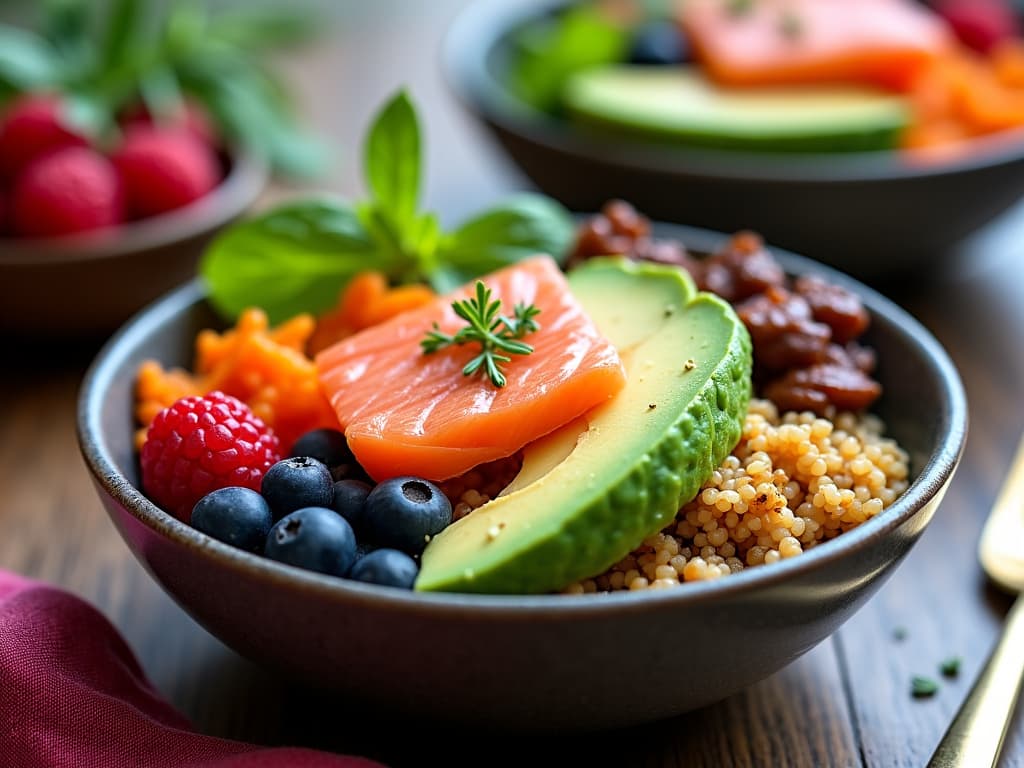
Chronic inflammation does not announce itself. It builds quietly through years of eating patterns, stress, and lifestyle choices until it shows up as fatigue, joint stiffness, skin problems, digestive issues, or worse. The encouraging part: dietary change is one of the most effective and accessible tools for reversing this process.
This complete inflammation diet meal plan gives you seven days of structured, practical eating that systematically reduces your dietary inflammatory load. Every meal is built around the Dietary Inflammatory Index (DII), a research-validated framework that scores foods by their actual measured effects on inflammatory biomarkers like C-reactive protein and interleukin-6.
How This Meal Plan Works
Each day targets a Dietary Inflammatory Index score in the negative range, meaning anti-inflammatory overall. The meals combine:
Tier 1 anchors (highest anti-inflammatory impact per serving): fatty fish, extra virgin olive oil, turmeric, berries, leafy greens, and cruciferous vegetables.
Tier 2 supporters (moderate anti-inflammatory benefit, high nutritional density): whole grains, legumes, nuts, seeds, and a wide variety of colorful vegetables.
Smart neutral foods (not anti-inflammatory, but not inflammatory either): lean proteins like chicken and eggs, starchy vegetables, and moderate fruit.
Eliminated entirely: refined sugar, ultra-processed snacks, seed oils (soybean, corn, canola in processed forms), alcohol, and anything with more than five ingredients you cannot recognize.
Before diving in, read about the science behind the Dietary Inflammatory Index to understand why these food choices are based on measurable biology rather than diet culture trends.
Day 1: Monday — Reset and Rebuild
Breakfast: Greek yogurt parfait with a half cup of frozen wild blueberries (thawed), two tablespoons of walnuts, one tablespoon of ground flaxseed, and a drizzle of raw honey. Optional: a pinch of cinnamon, which has measurable anti-inflammatory properties.
Lunch: Large salad with mixed greens, wild-caught canned salmon (3oz), cherry tomatoes, cucumber, sliced avocado, kalamata olives, and a dressing of olive oil, lemon juice, and dried oregano. Serve with a small piece of whole-grain bread.
Dinner: Baked salmon fillet (6oz) with a turmeric-lemon marinade, roasted sweet potato wedges drizzled with olive oil, and steamed broccoli with garlic. Salmon consistently earns one of the highest anti-inflammatory scores of any protein.
Snack: A small handful of raw walnuts or a piece of fruit. Walnuts are the only tree nut with significant omega-3 content.
DII Assessment for Monday: Strongly negative (anti-inflammatory). Salmon, olive oil, turmeric, berries, and leafy greens are all top-tier anti-inflammatory foods by measured DII contribution.
Day 2: Tuesday — Mediterranean Focus
Breakfast: Two eggs scrambled in olive oil with baby spinach and half an avocado on one slice of whole-grain sourdough toast. Eggs provide a moderate, neutral-to-slightly-positive DII baseline that the spinach and olive oil more than offset.
Lunch: Lentil soup made with red lentils, turmeric, cumin, ginger, canned tomatoes, and olive oil. Serve with a side salad. Legumes deliver soluble fiber that feeds anti-inflammatory short-chain fatty acid-producing gut bacteria.
Dinner: Chicken thighs (skin removed) braised with olive oil, garlic, diced tomatoes, Kalamata olives, and fresh herbs (rosemary, thyme). Serve over farro or brown rice. This is a classic Mediterranean preparation with a genuinely impressive DII profile.
Snack: Apple slices with almond butter, or a small bowl of mixed berries.
Day 3: Wednesday — Plant-Forward Power Day
Breakfast: Overnight oats made with rolled oats, chia seeds, unsweetened almond milk, a tablespoon of almond butter, and a quarter teaspoon of turmeric. Top with sliced banana and a handful of mixed berries.
Lunch: Buddha bowl: farro or brown rice base, roasted chickpeas (seasoned with turmeric and cumin), roasted red peppers and zucchini, sliced avocado, and tahini dressing (tahini, lemon, garlic, olive oil).
Dinner: Grilled mackerel or sardines (if mackerel is unavailable, use salmon) with a fresh tomato-herb salsa made from diced tomatoes, fresh basil, garlic, and olive oil. Serve alongside white bean salad with arugula and lemon.
Snack: A small handful of mixed seeds (pumpkin, sunflower, hemp) or a piece of dark chocolate (70%+ cacao, one to two squares). Dark chocolate has measurable anti-inflammatory polyphenol content when consumed in small amounts.
Day 4: Thursday — Gut Health Focus
Breakfast: Smoothie with kefir, frozen mixed berries, a handful of baby spinach (you will not taste it), one tablespoon of ground flaxseed, and a small piece of fresh ginger. Blend until smooth. Fermented foods like kefir support the microbiome diversity that regulates systemic inflammation.
Lunch: Veggie-packed minestrone soup with kidney beans, zucchini, diced tomatoes, spinach, and whole-grain pasta. Season with olive oil, garlic, and fresh basil. This hits multiple anti-inflammatory categories simultaneously.
Dinner: Turkey meatballs (ground turkey, garlic, fresh herbs) baked in a simple olive oil-tomato sauce over zucchini noodles or whole-grain spaghetti. Top with fresh basil and a light drizzle of olive oil.
Snack: Plain yogurt with a tablespoon of honey and a sprinkle of crushed walnuts.
Day 5: Friday — Omega-3 Peak Day
Breakfast: Two-egg vegetable frittata made with spinach, cherry tomatoes, red onion, and goat cheese, cooked in olive oil. This is a simple, satisfying, anti-inflammatory breakfast you can prep ahead.
Lunch: Open-faced sardine toast: two slices of whole-grain bread, a thin layer of avocado, canned sardines in olive oil, sliced red onion, capers, and a squeeze of lemon. Sardines are among the most affordable and nutrient-dense sources of omega-3 fatty acids available.
Dinner: Sheet pan dinner with wild salmon, asparagus, cherry tomatoes, and lemon-olive oil dressing. Roast everything together at 400°F for 15-20 minutes. Fast, simple, and impressively anti-inflammatory.
Snack: Celery with almond butter, or a small mixed berry bowl.
DII Note for Friday: This is your highest omega-3 day of the week. Two fatty fish servings in one day creates a measurable acute anti-inflammatory effect that you can track with how your energy and joint comfort feel the next morning.
Day 6: Saturday — Batch Cooking Day
Saturday is ideal for batch-cooking your week's foundation foods. This reduces decision fatigue and removes the temptation to reach for something convenient but inflammatory.
Breakfast: Avocado toast on whole-grain sourdough with smoked wild salmon, capers, red onion, and a squeeze of lemon. A squeeze of lemon over smoked salmon adds vitamin C, which works synergistically with the omega-3s. Avocado's inflammation score reflects its monounsaturated fat and fiber content.
Lunch: Grain bowl with farro (batch-cook 2 cups for the week), roasted beet slices, arugula, walnuts, crumbled feta cheese, and a balsamic-olive oil dressing. Beets contain betalains, which directly inhibit certain cyclooxygenase pathways involved in inflammation.
Dinner: Slow-cooker chicken with turmeric, ginger, garlic, coconut milk, and mixed vegetables. Serve over brown rice. This meal fills the house with an incredible aroma and delivers anti-inflammatory compounds from three of the highest-scoring spices in the DII framework: turmeric, ginger, and garlic.
Batch prep while cooking dinner: Cook a large pot of lentils or chickpeas. Roast two sheet pans of mixed vegetables. Hard-boil six eggs. These become the building blocks for next week.
Day 7: Sunday — Reset and Plan
Breakfast: Greek-style eggs with olive oil, fresh tomatoes, cucumber, olives, and feta. A simple, satisfying combination that represents the Mediterranean breakfast pattern shown in multiple trials to support lower CRP levels.
Lunch: Large anti-inflammatory salad using your batch-cooked ingredients. Farro base, mixed greens, leftover roasted vegetables, canned fish or leftover chicken, avocado, and olive oil dressing. This is the full anti-inflammatory toolkit in one bowl.
Dinner: Vegetarian red lentil dal with turmeric, ginger, cumin, coriander, and tomatoes, finished with a drizzle of olive oil and fresh cilantro. Serve over brown rice. Lentils provide both soluble fiber and plant protein, and combined with the spice blend, this dish scores impressively on the DII scale.
Snack: A piece of dark chocolate with green tea. Green tea's catechins, particularly EGCG, are among the most-studied anti-inflammatory compounds in the DII literature. Green tea earns a strong negative DII contribution.
Your Inflammation Diet Shopping List
Proteins: Wild-caught salmon (fresh or frozen), sardines in olive oil, mackerel, chicken thighs, ground turkey, eggs, Greek yogurt, kefir.
Vegetables: Baby spinach, arugula, mixed greens, broccoli, sweet potatoes, zucchini, cherry tomatoes, red peppers, asparagus, beets, red onion.
Fruits: Mixed berries (frozen is fine and often more affordable), blueberries, avocados, lemons, apples, bananas.
Grains and legumes: Farro, brown rice, whole-grain sourdough, rolled oats, red lentils, chickpeas, kidney beans, whole-grain pasta.
Fats and oils: Extra virgin olive oil (the most important purchase on this list), avocados, walnuts, almonds, almond butter, tahini, flaxseed.
Spices and flavor: Turmeric (ground), ginger (fresh and ground), garlic, cinnamon, cumin, coriander, oregano, fresh herbs.
Extras: Dark chocolate (70%+ cacao), green tea, canned diced tomatoes, kalamata olives, capers, raw honey.
What to Avoid This Week
The elimination side of an inflammation diet is as important as the addition side. For this seven-day plan, avoid completely:
- Refined sugar and products containing it (read labels: corn syrup, dextrose, sucrose added to savory foods)
- Ultra-processed packaged foods with more than five ingredients or ingredients you cannot identify
- Seed oils in processed form (check labels for soybean oil, corn oil, "vegetable oil")
- Alcohol in any quantity (even red wine, which has modest polyphenol benefits, has a pro-inflammatory net effect for most people)
- Processed meats (deli meat, bacon, sausage, hot dogs)
- Fast food, regardless of how it is marketed
Our guide on how ultra-processed foods drive chronic inflammation explains the specific mechanisms at work when these foods are in your diet regularly.
Tracking Your Progress
After seven days of anti-inflammatory eating, you may notice:
- Improved energy, particularly in the afternoon hours
- Reduced joint stiffness, especially first thing in the morning
- Better digestion and less bloating
- Improved skin clarity
- Better sleep quality
- Reduced cravings for sugar and processed foods (this tends to emerge around day 4-5)
If you want to see how your meals score in real time rather than estimating from memory, the Inflamous app calculates your meal's DII score as you log it, flags pro-inflammatory ingredients, and shows your inflammation trend over time. Download Inflamous to track this week's progress and carry the momentum into week two.
One week is a starting point. The real anti-inflammatory gains come from making these patterns your default rather than your exception. This meal plan gives you the blueprint. Consistency makes it work.