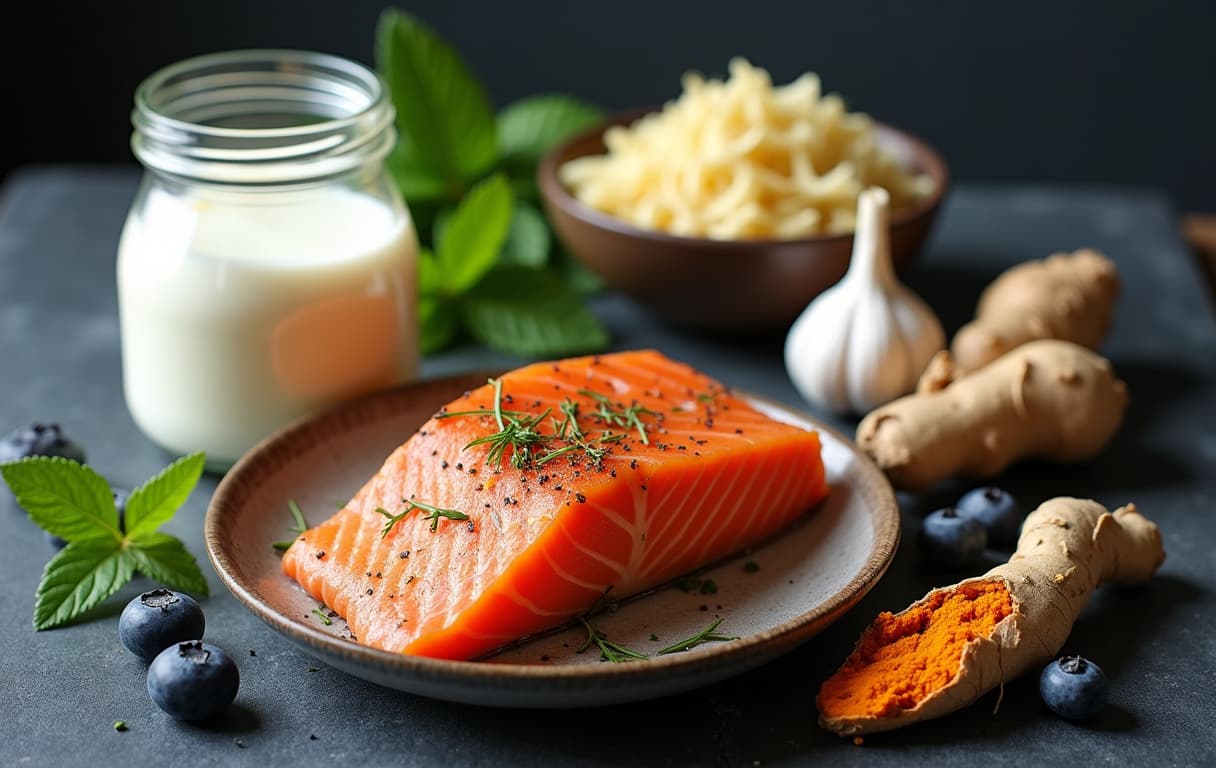
Intestinal inflammation is not the same as general systemic inflammation. The gut has its own immune system — the largest immune organ in the body — and intestinal inflammation involves specific pathways, specific bacteria, and specific nutrients that make a real difference.
Whether you are dealing with inflammatory bowel disease (IBD), irritable bowel syndrome (IBS), or just chronic bloating and gut discomfort, the foods you eat directly modulate intestinal immune function. This guide covers what the research actually shows, not just general "eat more vegetables" advice.
Why the Gut Is Central to Whole-Body Inflammation
The intestinal lining is a single-cell-thick barrier separating a massive microbial community (your gut microbiome) from your bloodstream. When that barrier is compromised — a condition often called "increased intestinal permeability" — bacterial endotoxins, undigested food particles, and microbial metabolites leak into circulation and trigger immune responses.
This mechanism connects intestinal inflammation to:
- Systemic inflammatory conditions (arthritis, psoriasis, autoimmune disease)
- Metabolic dysfunction (insulin resistance, obesity)
- Neurological symptoms (brain fog, anxiety, depression)
- Cardiovascular disease (via systemic CRP elevation)
The foods that most effectively reduce intestinal inflammation do so by: rebuilding the gut barrier, feeding beneficial bacteria that produce protective short-chain fatty acids (SCFAs), and directly suppressing mucosal inflammatory pathways.
Foods That Actively Reduce Intestinal Inflammation
1. Prebiotic Fiber-Rich Foods
The single most important category. Prebiotic fibers are selectively fermented by beneficial gut bacteria — primarily Lactobacillus and Bifidobacterium species — to produce butyrate, propionate, and acetate. These SCFAs directly:
- Fuel colonocytes (colon lining cells)
- Reduce NF-kB activity in intestinal mucosa
- Strengthen tight junction proteins (the physical gut barrier)
- Lower mucosal levels of IL-6, TNF-alpha, and IL-1β
Top prebiotic foods:
- Garlic — exceptionally high in fructooligosaccharides (FOS) and inulin
- Onion — inulin and quercetin combination with potent anti-inflammatory effects
- Jerusalem artichoke — the highest inulin content of any vegetable
- Dandelion greens — prebiotic + bitter compounds that stimulate bile (aids digestion)
- Asparagus — inulin + flavonoids
- Oats — beta-glucan, a particularly well-studied anti-inflammatory prebiotic; see the oat inflammation profile
- Leeks — part of the allium family, high in FOS
- Bananas (slightly unripe) — resistant starch acts as prebiotic
Read more about the gut connection in fiber and inflammation.
2. Fermented Foods
Fermented foods introduce live bacteria that colonize the gut and crowd out pathogenic species. They also produce organic acids, bacteriocins, and anti-inflammatory metabolites directly:
- Kefir — more than 30 strains of beneficial bacteria; studies show significant reduction in intestinal inflammation markers with regular consumption
- Plain yogurt — Lactobacillus acidophilus and Bifidobacterium reduce colonic inflammation
- Sauerkraut — fermented cabbage contains Lactobacillus plantarum, shown to reduce gut permeability
- Kimchi — Korean fermented vegetables with Leuconostoc mesenteroides; anti-inflammatory and antioxidant
- Tempeh — fermented soybeans with unique probiotic profile and isoflavone content
- Miso — fermented soybean paste; contains Aspergillus-derived compounds with gut-protective effects
Note: people with severe IBD flares should introduce fermented foods slowly and watch for symptom changes.
3. Fatty Fish (Omega-3 Sources)
Omega-3 fatty acids, particularly EPA (eicosapentaenoic acid) and DHA (docosahexaenoic acid), directly reduce intestinal inflammation through multiple pathways:
- They compete with arachidonic acid for COX-2 and LOX enzymes, producing less inflammatory eicosanoids
- They are converted to resolvins and protectins — specialized pro-resolving mediators that actively turn off inflammation
- They appear to modulate the gut microbiome composition, increasing diversity and reducing pathobiont species
Clinical trials in Crohn's disease and ulcerative colitis show that EPA+DHA supplementation reduces mucosal inflammation scores and helps maintain remission.
Best dietary sources:
- Salmon (wild-caught preferred) — see the salmon inflammation profile
- Sardines (also excellent source of vitamin D, which modulates intestinal immunity)
- Mackerel
- Anchovies
- Herring
Aim for 2-3 servings of fatty fish per week for meaningful anti-inflammatory effect.
4. Polyphenol-Rich Plants
Polyphenols are plant compounds that act as both antioxidants and direct modulators of gut bacterial populations. Research shows polyphenols selectively feed Akkermansia muciniphila — a keystone species associated with reduced gut permeability and lower intestinal inflammation:
- Blueberries and raspberries — anthocyanins reduce intestinal NF-kB activity in multiple animal and human studies
- Pomegranate — punicalagins convert to urolithins via gut bacteria; urolithin A specifically reduces intestinal inflammation and mitophagy
- Dark chocolate (85%+) — flavanols increase Bifidobacterium and decrease Clostridiales in the gut; see the dark chocolate profile
- Green tea — EGCG modulates tight junction protein expression; reduces mucosal TNF-alpha; see the green tea profile
- Olive oil — oleocanthal and oleic acid reduce intestinal inflammation; oleic acid is the primary dietary substrate for oleoylethanolamide (OEA), which regulates gut immune function
- Red cabbage — anthocyanins and glucosinolates with gut-protective properties
- Beets — betalains with potent anti-inflammatory effect on intestinal mucosa
5. Bone Broth and Collagen-Rich Foods
Glutamine is the primary fuel source for enterocytes (intestinal lining cells) and is the most abundant amino acid in bone broth. Studies show glutamine supplementation reduces intestinal permeability and mucosal inflammation in IBD patients and critically ill patients.
Gelatin and collagen (from slow-cooked bones and connective tissue) also provide glycine, proline, and hydroxyproline — amino acids that support mucosal integrity and reduce intestinal oxidative stress.
Practical application:
- Simmer chicken or beef bones for 12-24 hours with vegetables
- Add apple cider vinegar to maximize mineral extraction
- Use as the liquid base for soups and grain dishes
6. Specific Anti-Inflammatory Spices
Several spices have direct effects on intestinal mucosa:
- Turmeric — curcumin has been studied in multiple clinical trials for Crohn's disease and ulcerative colitis; shows significant reduction in mucosal inflammatory markers. Must be combined with black pepper for absorption. See the turmeric score.
- Ginger — gingerols and shogaols inhibit prostaglandin synthesis in gut tissue; well-studied for nausea and GI inflammation
- Cinnamon — cinnamaldehyde reduces LPS-induced intestinal inflammation and modulates gut microbiome composition
- Cloves — eugenol is a potent anti-inflammatory compound with specific activity in the gut
7. Cooked (Not Raw) Vegetables for Sensitive Guts
For people with active intestinal inflammation, raw vegetables can cause mechanical irritation due to their fiber content. Cooking breaks down cell walls and reduces fermentable carbohydrate load while preserving polyphenols:
- Steamed or roasted broccoli, cauliflower, zucchini
- Well-cooked carrots and sweet potatoes
- Sauteed spinach and kale (reduces oxalate content)
- Roasted beets
As the gut heals, raw vegetables can be gradually reintroduced.
Foods That Worsen Intestinal Inflammation
Emulsifiers in Ultra-Processed Foods
This is one of the most underappreciated drivers of intestinal inflammation. Common emulsifiers (carboxymethylcellulose, polysorbate-80, carrageenan) used in processed foods have been shown in multiple studies to:
- Directly disrupt the mucous layer protecting the intestinal lining
- Alter gut microbiome composition toward more inflammatory species
- Increase intestinal permeability
Read our full analysis of how ultra-processed foods drive chronic inflammation.
Refined Sugars
Fructose and sucrose in excess alter gut microbiome composition by selectively feeding pathogenic species like Clostridium and reducing beneficial Bacteroidetes. This leads to increased production of pro-inflammatory LPS (lipopolysaccharide). See sugar and inflammation.
Alcohol
Alcohol directly damages the intestinal epithelial tight junctions, causes bacterial overgrowth, and triggers significant mucosal immune activation. Even moderate drinking measurably increases intestinal permeability. Read alcohol and inflammation.
Seed Oils High in Omega-6
The omega-6 to omega-3 ratio in the Western diet is typically 15-20:1. The ideal for intestinal health is closer to 4:1. Excess omega-6, particularly linoleic acid from corn, soybean, and sunflower oils, feeds the arachidonic acid cascade and drives intestinal inflammatory eicosanoid production. See the full science in seed oils and inflammation.
Artificial Sweeteners
Sucralose, saccharin, and aspartame have been shown in multiple studies to alter gut microbiome composition and increase intestinal permeability. They are not necessarily more harmful than sugar, but they are not the neutral alternative many people assume. Erythritol and small amounts of stevia appear more gut-neutral.
The Intestinal Inflammation Score Breakdown
Based on the Dietary Inflammatory Index and gut-specific research, here is how key foods rank for intestinal inflammation specifically:
| Food | Effect on Intestinal Inflammation | Primary Mechanism | |------|----------------------------------|-------------------| | Garlic | Strongly anti-inflammatory | Prebiotic FOS, SCFA production | | Sauerkraut/kefir | Strongly anti-inflammatory | Probiotic colonization | | Fatty fish | Strongly anti-inflammatory | EPA/DHA, resolvin production | | Turmeric | Strongly anti-inflammatory | Curcumin, NF-kB inhibition | | Bone broth | Anti-inflammatory | Glutamine, gut barrier support | | Blueberries | Anti-inflammatory | Anthocyanins, Akkermansia support | | Emulsifiers | Strongly pro-inflammatory | Mucus layer disruption | | Alcohol | Strongly pro-inflammatory | Tight junction disruption | | Refined sugar | Pro-inflammatory | Dysbiosis, LPS production |
Practical Meal Plan for Intestinal Inflammation (3 Days)
Day 1
- Breakfast: Oatmeal with blueberries and kefir on the side
- Lunch: Salmon with roasted vegetables and bone broth-based soup
- Dinner: Turmeric chicken stir-fry with garlic, ginger, and brown rice
- Snack: Plain yogurt with a drizzle of honey
Day 2
- Breakfast: Scrambled eggs with sauteed spinach and whole grain toast
- Lunch: Lentil soup with garlic, cumin, and a side of sauerkraut
- Dinner: Baked cod with roasted beets, asparagus, and quinoa
- Snack: Apple with almond butter
Day 3
- Breakfast: Kefir smoothie with banana, spinach, and ginger
- Lunch: Kimchi fried rice with egg and tofu
- Dinner: Slow-cooked chicken soup with carrots, celery, garlic, and bone broth
- Snack: Dark chocolate (85%+) and walnuts
When to Seek Medical Evaluation
Diet is a powerful tool, but it is not a substitute for medical care when inflammation is severe. See a gastroenterologist if you experience:
- Blood in stool or black/tarry stools
- Unintentional weight loss
- Fever with abdominal pain
- Symptoms that don't improve after 4-6 weeks of dietary changes
- Family history of colorectal cancer (requires colonoscopy screening regardless of symptoms)
Conditions like Crohn's disease and ulcerative colitis require medication in addition to dietary management. The anti-inflammatory diet supports but does not replace conventional IBD treatment.
FAQ
What is the fastest way to reduce intestinal inflammation? The quickest dietary interventions are eliminating alcohol, removing processed foods and emulsifiers, and adding a high-quality probiotic plus prebiotic fiber. Some people notice significant symptom improvement within 1-2 weeks. Bone broth daily can also accelerate gut lining repair.
Is rice good for intestinal inflammation? White rice is gentle on an irritated gut and generally well-tolerated during active flares because it is low in fermentable fibers. It is not strongly anti-inflammatory, but it is also not pro-inflammatory for most people. Brown rice is better long-term due to its prebiotic fiber content, but may cause more gas during active inflammation.
Does removing gluten reduce intestinal inflammation? For people with celiac disease, yes — gluten removal is essential and dramatically reduces intestinal inflammation. For people without celiac disease, the evidence is mixed. Some people with non-celiac gluten sensitivity do see improvement. For the general population without sensitivity, gluten removal alone does not measurably reduce intestinal inflammation.
What probiotic is best for intestinal inflammation? Lactobacillus rhamnosus GG and Bifidobacterium longum have the strongest clinical evidence for reducing intestinal inflammation. VSL#3 (now Visbiome) is a multi-strain product with clinical trial data specifically for ulcerative colitis. Food-based probiotics (kefir, yogurt, sauerkraut) provide broader bacterial diversity than most supplements.
Can stress cause intestinal inflammation? Yes. The gut-brain axis is real. Chronic psychological stress activates the hypothalamic-pituitary-adrenal (HPA) axis, which increases intestinal permeability, alters microbiome composition, and activates mucosal mast cells. Stress management (sleep, meditation, exercise) is part of any complete intestinal inflammation strategy.
Track Your Gut-Specific Inflammation With Inflamous
The Inflamous app helps you identify exactly which foods in your diet are driving up your inflammatory score. Log your meals, track your DII score over time, and see real patterns in how your diet affects your inflammatory load.
Download Inflamous and start eating for a healthier gut today.
Related reading: