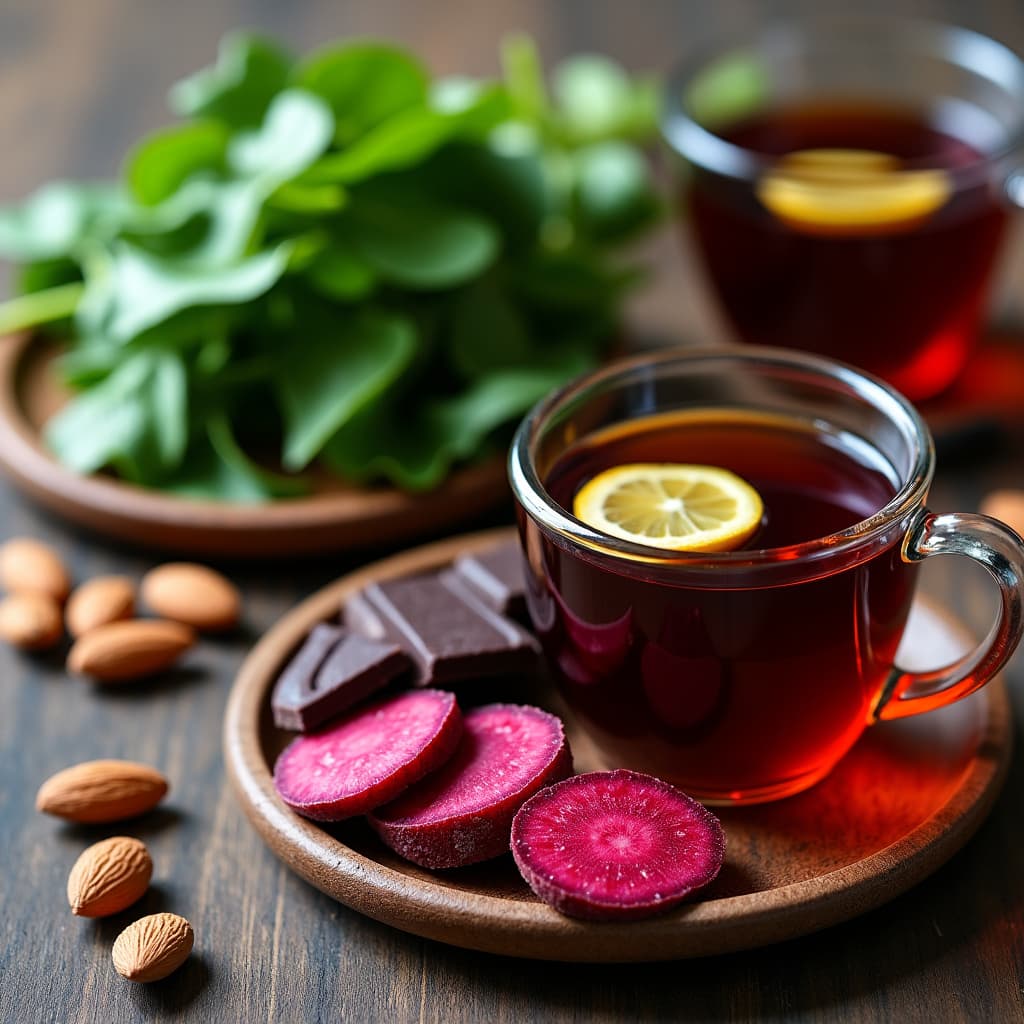
Kidney stones affect roughly 1 in 11 Americans at some point. About 80 percent are calcium oxalate stones, with the rest being uric acid, struvite, or cystine. Diet plays a massive role in formation, and the right food changes can cut recurrence by more than 50 percent.
The short list: high-oxalate foods, excessive sodium, too much animal protein, sugary drinks, and inadequate water are the biggest offenders. Here are the top 10 foods that drive stone formation, why they cause problems, and what to eat instead.
How Food Causes Kidney Stones
Kidney stones form when urine becomes supersaturated with stone-forming substances (calcium, oxalate, uric acid, cystine). Food changes urine chemistry in four main ways:
Oxalate load. Dietary oxalate binds with calcium in urine to form calcium oxalate crystals, the most common stone type. Spinach, almonds, chocolate, and tea are the top oxalate sources.
Sodium. High sodium intake increases urinary calcium excretion. More calcium in urine means more crystal formation potential.
Animal protein. Meat, fish, and poultry raise urinary uric acid, lower urinary citrate (a natural stone inhibitor), and increase calcium excretion.
Dehydration. Low urine volume concentrates all stone-forming substances. This is the single biggest modifiable risk factor.
Beyond these, systemic inflammation contributes. A 2021 study in Kidney International found that high Dietary Inflammatory Index scores correlated with 44 percent higher kidney stone risk, likely through oxidative stress on renal tubules.
The Top 10 Foods That Cause Kidney Stones
1. Spinach
One cup of cooked spinach contains roughly 750 mg of oxalate, more than any commonly eaten food. For comparison, the daily oxalate limit for stone formers is typically under 100 mg. Swiss chard, beet greens, and rhubarb are similar.
Smarter swap: Kale, bok choy, broccoli, and cabbage are low-oxalate greens with similar nutrition.
2. Almonds and Almond Products
Almonds contain roughly 120 mg of oxalate per ounce. Almond butter, almond milk (especially homemade), and almond flour concentrate the oxalate further. Cashews, peanuts, and pistachios are also high.
Smarter swap: Macadamia nuts, Brazil nuts (in moderation), and seeds like pumpkin or sunflower are lower-oxalate options. Oat milk (low nickel and low oxalate for plant milks).
3. Chocolate and Cocoa
Cocoa powder contains about 120 mg of oxalate per ounce. Dark chocolate has more oxalate than milk chocolate. Hot chocolate, chocolate-flavored protein powders, and cocoa-based desserts all add up.
Smarter swap: Vanilla- or fruit-flavored desserts. Carob is an alternative flavor that is lower in oxalate.
4. Black Tea
Brewed black tea contains 12 to 25 mg of oxalate per cup. Iced tea consumption is linked to kidney stone risk in American cohort studies, especially in hot climates where people drink large quantities.
Smarter swap: Green tea has less oxalate (though still some). Herbal teas (chamomile, rooibos, peppermint) are oxalate-free. Water with lemon is ideal.
5. Beets and Beet Juice
Beets contain 150 mg of oxalate per cup. Beet greens are higher still. Beet juice, popular for athletic performance, delivers a concentrated oxalate load.
Smarter swap: Carrots and bell peppers for similar antioxidant benefits. If you want nitrate benefits without oxalate, choose arugula in moderation.
6. Sodium-Heavy Processed Foods
Chips, canned soups, deli meats, frozen meals, fast food, soy sauce, and cured meats dump massive sodium loads. A single serving can exceed the daily limit. Sodium drives calcium into urine and raises stone risk.
The target: under 2,300 mg of sodium daily for general health, under 1,500 mg for stone formers.
Smarter swap: Cook at home. Season with herbs and spices instead of salt. Choose fresh meats over deli. Read labels on packaged foods.
7. Red Meat and Organ Meats
Beef, lamb, and especially organ meats raise uric acid and reduce urine citrate, both of which promote stone formation. Organ meats also drive uric acid stones specifically.
Smarter swap: Limit red meat to two servings per week. Shift toward chicken, fish, or plant proteins. Avoid organ meats if you have a history of uric acid stones.
8. Sugary Sodas and Fruit Juice
Colas contain phosphoric acid, which promotes stone formation directly. High-fructose corn syrup raises uric acid. A 2013 study in the Clinical Journal of the American Society of Nephrology found that people drinking one or more sugar-sweetened sodas daily had a 23 percent higher kidney stone risk.
Smarter swap: Water with lemon is the best drink for kidney stone prevention. Lemon juice contains citrate, a natural stone inhibitor. Unsweetened tea (not black tea) is also fine.
9. Excessive Vitamin C Supplements
High-dose vitamin C supplements (over 1000 mg daily) metabolize to oxalate. A 2013 study in JAMA Internal Medicine found men taking vitamin C supplements had nearly double the kidney stone risk of non-users.
Smarter swap: Get vitamin C from whole foods (citrus, bell peppers, strawberries, broccoli). At typical amounts, food-based vitamin C is protective, not harmful.
10. Wheat Bran and High-Oxalate Grains
Raw wheat bran, miller's bran, and whole wheat products contain oxalate. Quinoa, buckwheat, and amaranth are also moderate to high. White rice and corn are low.
Smarter swap: Oat bran is lower-oxalate than wheat bran. White rice, corn, and cornmeal are safe. Sourdough bread and refined bread are low-oxalate. This is one area where refined grains ironically help.
Inflammation Score Breakdown
On the Inflamous scale:
- Sugary sodas: severely inflammatory (score 9)
- Processed/cured meats: severely inflammatory (score 8)
- Red meat: moderately inflammatory (score 6 to 7)
- Refined grains: mildly inflammatory (score 4 to 5)
- Fried snacks: severely inflammatory (score 8 to 9)
Kidney-friendly anti-inflammatory foods:
- Lemons: score -6 (citrate inhibits stone formation)
- Berries: score -6 (low oxalate, high antioxidants)
- Olive oil: score -6
- Fatty fish: score -8
- Low-fat dairy: score -4 (calcium from dairy reduces oxalate absorption, reducing stone risk counterintuitively)
Practical Tips for Kidney Stone Prevention
Drink 2.5 to 3 liters of water daily. This is the single most effective change. Aim for pale yellow urine throughout the day. More in hot climates or during exercise.
Lemon water is your friend. Half a lemon in 16 oz of water, twice daily, raises urinary citrate (which blocks stone formation). Alternative: a prescription or OTC potassium citrate.
Keep calcium adequate, not high. Counterintuitively, low-calcium diets raise stone risk because calcium binds oxalate in the gut and prevents absorption. Aim for 1,000 to 1,200 mg daily from food. Pair calcium foods with oxalate-containing meals.
Cap sodium under 2,300 mg. Read labels. Restaurant meals are usually the biggest sodium sources.
Moderate animal protein. Under 6 ounces daily for stone formers. Plant proteins lower risk.
Eat oxalate with calcium. If you eat spinach or almonds, pair with dairy or calcium-fortified foods. The calcium binds oxalate in the gut instead of the kidney.
Exercise and maintain healthy weight. Obesity roughly doubles kidney stone risk. Metabolic syndrome is a strong driver.
Sample Kidney-Friendly Day
Breakfast: Oatmeal (oats, not bran) with blueberries, milk, and a drizzle of honey. Lemon water.
Mid-morning: Apple and a handful of macadamia nuts.
Lunch: Grilled chicken salad with romaine (not spinach), cucumber, carrots, peppers, and olive oil dressing. Lemon water.
Snack: Plain yogurt with strawberries.
Dinner: Baked salmon (4 oz), white rice, roasted zucchini and bell peppers. Side of steamed broccoli. Water.
Throughout the day: 3 liters of water minimum with lemon added.
This template is low-oxalate, moderate-protein, low-sodium, and provides calcium to block oxalate absorption.
Frequently Asked Questions
If I've had one kidney stone, am I likely to get another? Yes. Without intervention, recurrence rate is about 50 percent within 5 to 10 years. Dietary changes and adequate hydration cut recurrence by more than half.
Should I completely avoid calcium if I have calcium oxalate stones? No. Low-calcium diets increase stone risk. Aim for 1,000 to 1,200 mg daily from food. Pair calcium-containing meals with high-oxalate foods so calcium binds oxalate in the gut.
Is almond milk bad for kidney stones? Commercial almond milk is typically fine because it is so diluted. Homemade almond milk or almond milk smoothies with whole almonds can deliver significant oxalate. Check labels for oxalate content when available.
What about coffee? Coffee is not a major stone risk factor for most people. Regular consumption is actually associated with slightly lower stone risk. Iced tea (black tea) is worse than coffee due to higher oxalate.
How much does a Mediterranean diet help? A 2016 study in Nephrology Dialysis Transplantation found that Mediterranean diet adherence reduced kidney stone risk by 31 percent. Olive oil, fish, vegetables, moderate dairy, and lemon-rich preparations hit all the right notes.
Track Your Kidney Stone Diet with Inflamous
Generic lists of foods to avoid are a starting point. Actually understanding your daily oxalate, sodium, and protein intake is where prevention gets real.
Inflamous lets you log meals, score them for inflammation load, and track patterns over time. See your actual oxalate, protein, and hydration trends rather than guessing.
Download Inflamous for iOS and Android.
Related reading: