canonical: "https://inflamous.com/blog/foods-that-cause-anxiety-and-panic-attacks/"
Foods That Cause Anxiety and Panic Attacks
Anxiety is not just in your head. What you eat directly affects your nervous system, your gut microbiome, and the inflammatory pathways that drive anxious feelings. Research now shows that certain foods consistently worsen anxiety symptoms — and in sensitive individuals, they can trigger full panic attacks.
The connection runs through three overlapping systems: blood sugar regulation, gut-brain signaling, and systemic inflammation. When these systems are under stress from poor food choices, the result is a nervous system that is primed for alarm.
How Food Triggers Anxiety: The Science
Your gut and brain are in constant two-way communication via the vagus nerve, a pathway researchers call the gut-brain axis. Roughly 90 percent of serotonin — the neurotransmitter most associated with calm and wellbeing — is produced in the gut, not the brain. When gut bacteria are disrupted by inflammatory foods, serotonin production suffers.
Simultaneously, chronic low-grade inflammation (as measured by markers like C-reactive protein and interleukin-6) is strongly associated with anxiety disorders. A 2018 meta-analysis in JAMA Psychiatry found elevated inflammatory markers across every major anxiety category.
This means the dietary inflammatory index (DII) is directly relevant to anxiety management. High-DII foods push inflammation higher; low-DII foods bring it down. The Inflamous app scores foods on exactly this scale.
The Top Foods That Cause Anxiety and Panic Attacks
1. High-Sugar Foods and Refined Carbohydrates
Sugar causes rapid spikes and crashes in blood glucose. When blood sugar crashes, the body releases cortisol and adrenaline to compensate — the same stress hormones that trigger fight-or-flight. For people prone to anxiety, a blood sugar crash can feel indistinguishable from the early stages of a panic attack: racing heart, shakiness, sweating, and a sense of dread.
The worst offenders include candy, pastries, white bread, sugary cereals, and flavored yogurts with added sugar. Research published in Medical Hypotheses found that high refined-carbohydrate intake was associated with significantly worse anxiety and depressive symptoms.
The inflammation score for refined sugar is among the highest in the Inflamous database. It is a category-1 trigger food for anxiety-prone individuals.
2. Caffeine
Caffeine is the world's most widely consumed psychoactive substance, and it directly stimulates the sympathetic nervous system — the "fight or flight" branch. It does this by blocking adenosine receptors, which normally promote calm and drowsiness, and by increasing circulating cortisol and adrenaline.
For most people at moderate doses, caffeine feels energizing. But at higher doses, or in people who carry a gene variant called CYP1A2 slow metabolizer, even a single cup of coffee can provoke heart palpitations, jitteriness, and anxiety that spirals into panic.
Caffeine sources to watch: coffee, energy drinks, pre-workout supplements, black and green tea (smaller amounts), and some sodas.
Research in Depression and Anxiety found that caffeine intake was positively correlated with anxiety scores, particularly in people with existing anxiety disorders.
3. Alcohol
Alcohol is a central nervous system depressant in the short term, which creates the initial calming effect people seek. The problem is the rebound. As alcohol metabolizes and blood alcohol falls, the nervous system swings back toward hyperactivation. This is why anxiety is a near-universal hangover symptom.
Beyond the rebound effect, alcohol disrupts gut microbiome diversity, increases intestinal permeability (colloquially called "leaky gut"), and directly triggers inflammatory cytokines. All three mechanisms feed anxiety.
The alcohol inflammation score is highly pro-inflammatory. People with panic disorder are advised by most psychiatrists to eliminate alcohol entirely rather than moderate it.
4. Processed and Ultra-Processed Foods
Ultra-processed foods — think fast food, packaged snacks, frozen meals with long ingredient lists — contain a cocktail of anxiety-relevant ingredients: refined carbohydrates, industrial seed oils high in omega-6, artificial additives, emulsifiers, and trans fats.
Emulsifiers such as carboxymethylcellulose and polysorbate-80 have been shown in animal studies to disrupt the gut mucosal layer and alter microbiome composition in ways that increase anxiety-like behavior. A large French cohort study (NutriNet-Santé, over 100,000 participants) found that higher ultra-processed food intake was associated with significantly elevated anxiety and depression risk.
The cumulative effect is a gut that is inflamed, a microbiome that is less diverse, and a brain that receives pro-anxious signals through the gut-brain axis around the clock.
5. Gluten (for Sensitive Individuals)
For people with celiac disease or non-celiac gluten sensitivity, gluten triggers a direct immune response that increases intestinal inflammation and gut permeability. Brain fog, mood disturbances, and anxiety are recognized neurological manifestations of gluten sensitivity — a cluster sometimes called "gluten ataxia" or "gluten-related neurological symptoms."
Even in non-celiac individuals, a subset of anxiety patients report improvement after eliminating gluten. The mechanism may relate to how gliadin proteins interact with gut barrier function. This is a genuinely contested area in nutrition science, so the evidence is less definitive outside of celiac/sensitivity diagnoses.
6. Artificial Sweeteners
Aspartame, sucralose, and saccharin disrupt gut microbiome composition in ways that impair glucose tolerance and alter neurotransmitter precursor availability. Aspartame in particular metabolizes to phenylalanine and aspartic acid, both of which can affect neural excitability in sensitive individuals.
Several case reports in the medical literature link aspartame consumption to anxiety, insomnia, and headaches. While the effect sizes are small in population studies, individuals with existing anxiety disorders often find that eliminating diet sodas and artificial sweeteners reduces symptom frequency.
7. High-Sodium Processed Foods
Excess sodium triggers water retention, blood pressure spikes, and activates the renin-angiotensin-aldosterone system — a hormonal cascade that, when chronically elevated, is associated with anxiety symptoms and cardiovascular reactivity. High-sodium diets also reduce the diversity of gut bacteria that produce GABA, the brain's primary inhibitory neurotransmitter.
Major sources: canned soups, fast food, deli meats, pickled foods in excess, and most restaurant meals.
The Inflammation Score Connection
Every food on this list scores as pro-inflammatory on the Dietary Inflammatory Index (DII). The Inflamous app calculates DII-based scores for thousands of foods and shows you exactly how your daily eating patterns affect your systemic inflammation levels — which directly maps to your anxiety risk.
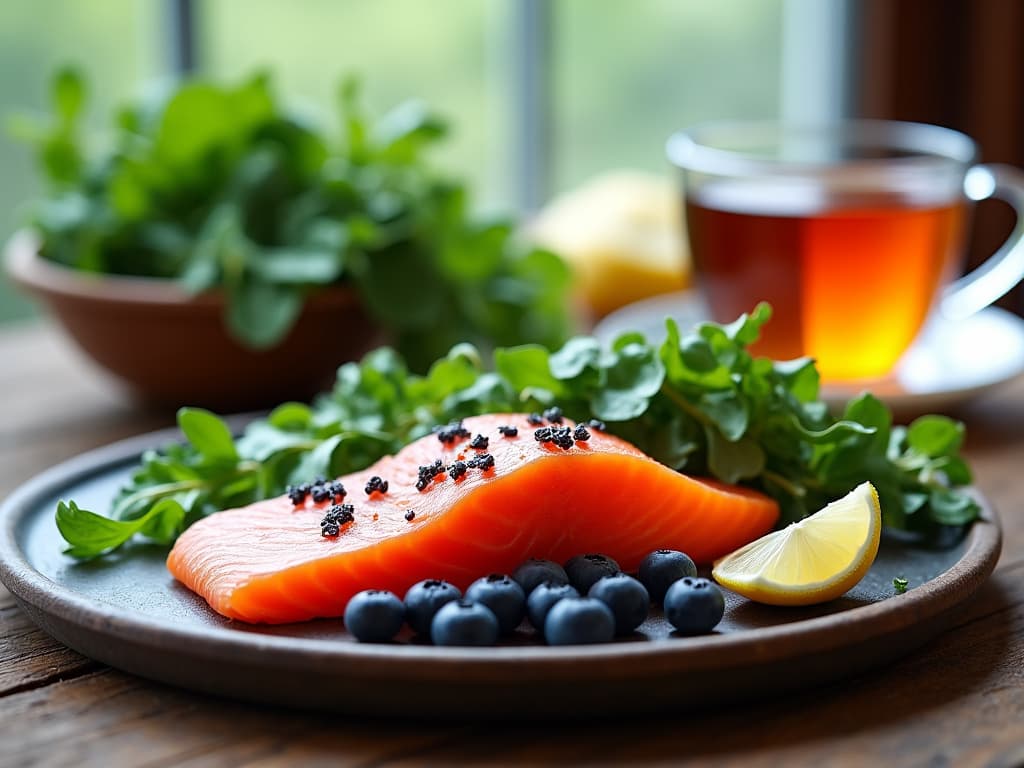
Foods that consistently lower anxiety symptoms score negatively on the DII: fatty fish like salmon, leafy greens, fermented foods like Greek yogurt, walnuts, and berries.
The Gut-Brain Axis: Why This Matters for Panic Attacks
Panic attacks are one of the most physically overwhelming anxiety experiences — sudden onset of racing heart, shortness of breath, chest tightness, and a sense of impending doom. They are mediated by the same sympathetic nervous system pathways that respond to perceived threat.
When the gut is chronically inflamed, it sends distress signals via the vagus nerve to the brainstem and limbic system. The brain interprets these signals as threat information, lowering the threshold for panic. Several clinical trials have now shown that dietary interventions reducing gut inflammation also reduce panic attack frequency in anxiety-prone individuals.
The practical implication: if you experience panic attacks, your diet is likely a factor worth addressing systematically — not just as a supplement to medication or therapy, but as a genuine mechanistic intervention.
What to Eat Instead
Replacing anxiety-promoting foods with anti-inflammatory options creates a nutritional environment that supports calm:
- Fatty fish (salmon, mackerel, sardines): High in EPA and DHA omega-3s, which reduce neuroinflammation and support serotonin signaling
- Fermented foods (kefir, kimchi, sauerkraut): Increase gut microbiome diversity and GABA-producing bacteria
- Leafy greens (spinach, kale, Swiss chard): Rich in magnesium, which is depleted by stress and essential for GABA function
- Blueberries and dark berries: High in anthocyanins that cross the blood-brain barrier and reduce oxidative stress in neural tissue
- Pumpkin seeds: One of the highest dietary sources of zinc, which modulates NMDA glutamate receptors involved in anxiety
- Turmeric: Curcumin has been shown in multiple trials to reduce anxiety scores comparably to some pharmaceutical anxiolytics
- Chamomile tea: Contains apigenin, a flavonoid that binds GABA receptors with mild anxiolytic effects
Practical Steps to Reduce Food-Triggered Anxiety
Start with a 7-day log. Track what you eat and when anxiety symptoms occur. Patterns usually emerge within a week. Coffee timing, sugar consumption, and alcohol consumption are the most common correlates people identify.
Eliminate the top three first. For most anxiety-prone individuals, the biggest wins come from reducing caffeine, cutting added sugar, and eliminating alcohol. These three changes alone often produce noticeable symptom improvement within two to three weeks.
Support your gut. Add one fermented food daily and consider a high-quality probiotic. Gut microbiome diversity is one of the most powerful levers for mood regulation that dietary change can pull.
Stabilize blood sugar. Eat protein and fat with every meal to slow glucose absorption. Never skip breakfast if you are prone to morning anxiety — blood sugar instability in the morning is a major panic attack trigger.
FAQ
What foods are the worst for anxiety?
The five most consistently documented anxiety-worsening foods are: refined sugar, caffeine (especially in high doses), alcohol, ultra-processed foods, and artificial sweeteners. These work through overlapping mechanisms including blood sugar disruption, gut microbiome damage, and direct nervous system stimulation.
Can food trigger a panic attack?
Yes. Caffeine is the most well-documented dietary panic trigger, particularly in people with panic disorder. Blood sugar crashes from high-sugar meals can also provoke panic-like symptoms. Some individuals also react to tyramine-rich foods (aged cheese, cured meats) and MSG with anxiety and palpitations.
How quickly can diet changes reduce anxiety?
Most people notice meaningful improvement within two to four weeks of removing the major triggers. Gut microbiome changes take four to eight weeks to consolidate. Full benefits of an anti-inflammatory dietary pattern typically manifest over two to three months.
Does caffeine cause anxiety in everyone?
No. People vary substantially in their caffeine sensitivity based on their CYP1A2 genotype (which determines how quickly they metabolize caffeine) and baseline anxiety levels. Slow caffeine metabolizers are much more prone to caffeine-induced anxiety. If caffeine reliably increases your anxiety, you are likely a slow metabolizer.
Is there a diet specifically for anxiety?
The Mediterranean diet and anti-inflammatory diet are both well-studied for mental health benefits. The 2019 SMILES trial showed that a Mediterranean-style diet reduced depressive symptoms significantly versus social support alone. The same principles — high omega-3, high polyphenols, low processed food, high fiber — apply to anxiety management.
The Bottom Line
Food-triggered anxiety is real, measurable, and addressable. The foods most likely to worsen anxiety — sugar, caffeine, alcohol, ultra-processed foods — all share a common thread: they increase systemic inflammation, disrupt gut microbiome balance, and activate stress hormone pathways.
The science behind the DII gives you a precise framework for understanding how your food choices affect your body's inflammatory state, which in turn affects your anxiety risk.
If you want a concrete, personalized way to track which foods are raising your inflammation scores and anxiety risk, the Inflamous app maps every meal to its inflammatory impact — giving you the data to make changes that matter.
Download Inflamous and start mapping your inflammation today.