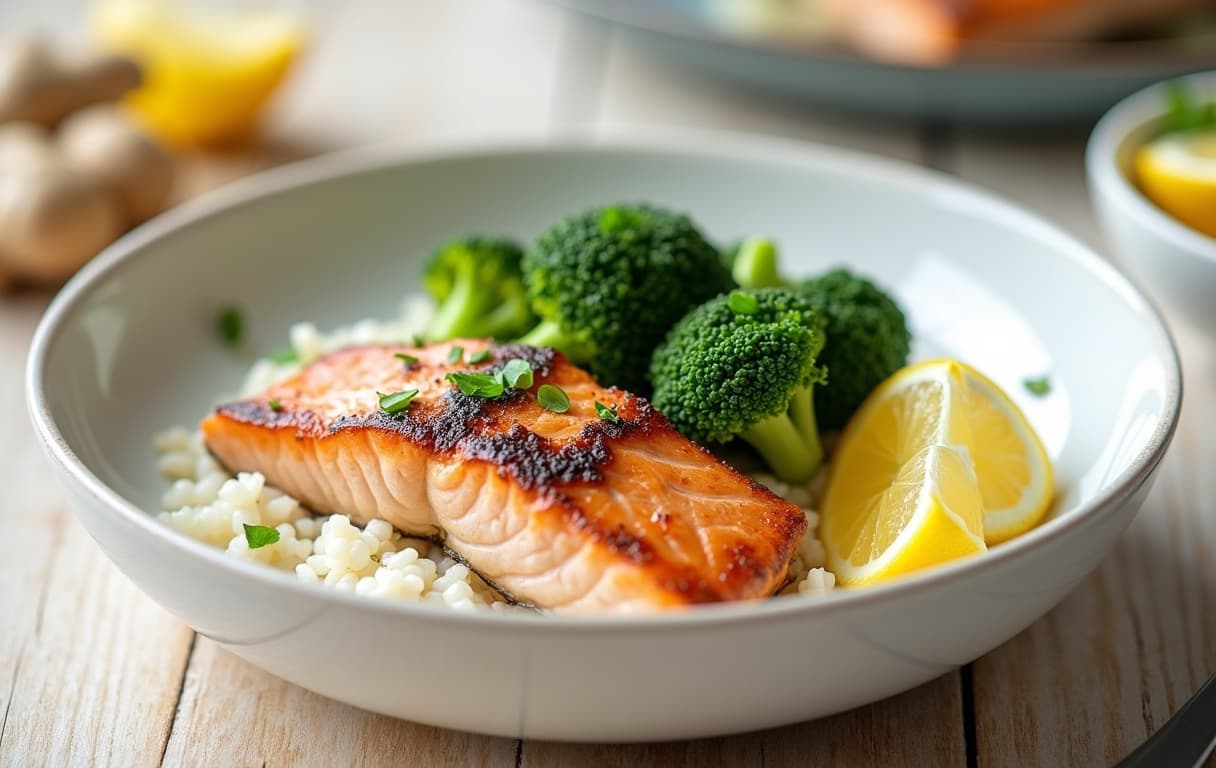
If you have gastritis, what you eat can either calm the inflammation in your stomach lining or make it significantly worse. The anti-inflammatory diet for gastritis centers on one goal: lowering the inflammatory burden on an already-irritated stomach while giving the lining the nutrients it needs to heal.
The short answer: eat plenty of vegetables, fiber-rich whole grains, lean proteins, and fermented foods. Avoid alcohol, processed foods, acidic fruits, spicy seasonings, and anything fried.
What Is Gastritis, and Why Does Diet Matter?
Gastritis is inflammation of the stomach lining. It can be acute (sudden) or chronic (ongoing), and causes include H. pylori infection, long-term NSAID use, alcohol, and autoimmune conditions.
When the stomach lining is inflamed, it produces less protective mucus, making it more vulnerable to acid damage. Certain foods aggravate this cycle, while others actively support healing by lowering systemic inflammation and feeding beneficial gut bacteria.
The Dietary Inflammatory Index (DII) gives us a scientific framework for measuring how pro- or anti-inflammatory a food pattern is. Research shows that people eating high-DII diets have higher rates of gastric inflammation and worse gastritis outcomes. The goal is to bring your overall DII score negative — meaning your diet is net anti-inflammatory.
Foods to Eat With Gastritis
1. Non-Acidic Vegetables
Most vegetables are excellent for gastritis. They are low in fat, rich in antioxidants, and have negative DII contributions. Focus on:
- Broccoli — contains sulforaphane, which research suggests may help fight H. pylori
- Spinach and kale — high in magnesium and folate, which support mucosal healing
- Carrots and sweet potatoes — rich in beta-carotene, a precursor to vitamin A (essential for stomach lining repair)
- Zucchini and cucumber — very low acidity, easy on the stomach
- Cauliflower — versatile, filling, anti-inflammatory
See how these vegetables score on the Inflamous inflammation index to help you prioritize them in your meals.
2. Lean Proteins
High-fat meats increase gastric acid secretion, which worsens gastritis symptoms. Choose lower-fat options:
- Chicken breast — mild, easy to digest, versatile; check the chicken inflammation profile
- Fish — especially fatty fish like salmon and mackerel, which are rich in omega-3 fatty acids that reduce prostaglandin-driven inflammation
- Eggs — soft-cooked eggs are generally well-tolerated; hard-boiled or scrambled in minimal oil
- Legumes — lentils, chickpeas, and black beans provide plant protein with significant anti-inflammatory fiber
3. Whole Grains
Refined grains spike blood sugar and promote systemic inflammation. Whole grains feed beneficial gut bacteria and provide steady energy without irritating the stomach:
- Oats — contain beta-glucan, which has been shown to reduce gastric inflammation; see the full oat inflammation score
- Brown rice — gentle, filling, and easy to digest; rice inflammation profile
- Quinoa — complete protein + fiber; one of the better whole grains for inflammatory markers
4. Fermented Foods (in Moderation)
Fermented foods introduce beneficial bacteria that can help crowd out H. pylori and restore mucosal integrity. But start slow — too much too fast can temporarily worsen symptoms:
- Plain unsweetened yogurt — probiotics support gut flora; Greek yogurt inflammation profile
- Kefir — more potent probiotic than yogurt
- Sauerkraut and kimchi — fermented vegetables with high bacterial diversity; start with small amounts
5. Anti-Inflammatory Herbs and Spices
Many traditional herbs have gastroprotective properties:
- Ginger — reduces nausea, has potent anti-inflammatory compounds (gingerols); widely studied for gastric conditions
- Turmeric — curcumin inhibits NF-kB, a master inflammatory pathway; best absorbed with black pepper; see the turmeric inflammation score
- Chamomile — anti-spasmodic and anti-inflammatory; calms stomach cramps
- Licorice root (DGL form) — deglycyrrhizinated licorice supplements have solid evidence for supporting stomach lining integrity
6. Soothing Liquids
- Green tea — contains EGCG, a powerful antioxidant with proven anti-inflammatory effects; see green tea profile
- Bone broth — collagen and glutamine support gut lining repair
- Coconut water — hydrating, low-acid, easy on the stomach
- Plain water — staying hydrated helps dilute stomach acid and maintain mucosal health
Foods to Avoid With Gastritis
Alcohol
Alcohol directly damages the gastric mucosa and increases acid production. Even small amounts can trigger flares. If you have active gastritis, complete avoidance is the safest approach.
Spicy Foods
Capsaicin and other spicy compounds trigger mast cell degranulation in the stomach lining, worsening inflammation. Chili peppers, hot sauce, and heavily spiced dishes are common gastritis triggers.
Highly Acidic Foods
When the stomach lining is already irritated, high-acid foods add to the burden:
- Tomatoes and tomato-based sauces
- Citrus fruits (oranges, lemons, grapefruit)
- Vinegar-based dressings
Fried and Fatty Foods
High-fat foods slow gastric emptying, increasing the time acid stays in contact with the stomach lining. Fried foods also spike systemic inflammation.
Coffee and Caffeinated Beverages
Coffee stimulates gastric acid secretion and can irritate an already-inflamed lining. This applies to regular and decaf (decaf still contains compounds that stimulate acid). Many gastritis sufferers need to reduce or eliminate coffee during active flares.
Processed and Ultra-Processed Foods
Ultra-processed foods contain emulsifiers, artificial sweeteners, and preservatives that disrupt the gut microbiome and worsen intestinal permeability. They also tend to have very high DII scores. Read our full guide on how ultra-processed foods drive chronic inflammation.
Refined Sugar
Sugar feeds pathogenic bacteria, worsens dysbiosis, and drives inflammatory cytokine production. See the complete breakdown in sugar and inflammation.
7-Day Anti-Inflammatory Meal Plan for Gastritis
This plan targets a negative DII score and avoids common gastritis triggers. All portions are moderate — overeating can also worsen symptoms even with otherwise healthy foods.
Day 1
- Breakfast: Oatmeal with blueberries and a drizzle of honey
- Lunch: Grilled chicken with steamed broccoli and brown rice
- Dinner: Baked salmon with roasted sweet potato and spinach salad
Day 2
- Breakfast: Scrambled eggs with spinach, whole grain toast
- Lunch: Lentil soup with a side of cucumber slices
- Dinner: Turkey meatballs with zucchini noodles, light olive oil sauce
Day 3
- Breakfast: Plain Greek yogurt with banana and a sprinkle of chia seeds
- Lunch: Quinoa bowl with roasted vegetables and tahini
- Dinner: Steamed white fish with brown rice and steamed carrots
Day 4
- Breakfast: Smoothie with banana, oat milk, ginger, and spinach
- Lunch: Grilled chicken wrap in a whole grain tortilla with avocado
- Dinner: Chicken and vegetable stir-fry (using low-sodium soy sauce, no chili)
Day 5
- Breakfast: Oatmeal with sliced banana and cinnamon
- Lunch: Tuna salad (light mayo) with cucumber and whole grain crackers
- Dinner: Baked cod with roasted broccoli and quinoa
Day 6
- Breakfast: Soft-boiled eggs with whole grain toast and a small banana
- Lunch: Chicken noodle soup (homemade, low-sodium)
- Dinner: Salmon with roasted asparagus and sweet potato mash
Day 7
- Breakfast: Greek yogurt parfait with berries (not citrus) and oats
- Lunch: Quinoa and black bean bowl with avocado
- Dinner: Grilled chicken thigh with roasted cauliflower and brown rice
The DII Framework for Gastritis Management
Not all inflammation is equal. The Dietary Inflammatory Index scores individual foods and entire dietary patterns on a scale from strongly pro-inflammatory to strongly anti-inflammatory. Studies published in the International Journal of Environmental Research and Public Health show that people with the lowest DII scores (most anti-inflammatory diets) had significantly lower rates of upper GI inflammation.
For gastritis specifically, a few DII powerhouses stand out:
| Food | DII Direction | Why It Matters for Gastritis | |------|--------------|------------------------------| | Ginger | Strongly anti-inflammatory | Reduces nausea + gastric inflammation | | Turmeric | Strongly anti-inflammatory | Inhibits NF-kB inflammatory pathway | | Omega-3 (salmon, sardines) | Strongly anti-inflammatory | Reduces prostaglandin-driven inflammation | | Refined sugar | Strongly pro-inflammatory | Feeds pathogenic bacteria | | Alcohol | Strongly pro-inflammatory | Directly damages mucosa | | Saturated fat | Pro-inflammatory | Slows gastric emptying, increases acid exposure |
When to See a Doctor
Diet changes can significantly reduce gastritis symptoms, but they don't replace medical treatment for underlying causes. See a doctor if:
- Symptoms persist longer than 2 weeks despite dietary changes
- You have black or tarry stools (potential GI bleeding)
- You experience significant unexplained weight loss
- You have severe or worsening pain
If H. pylori is confirmed via testing, you'll likely need antibiotic treatment. Diet supports — but doesn't replace — that treatment.
FAQ
Can I eat bread with gastritis? Whole grain bread in moderate amounts is generally fine. White bread made from refined flour is more likely to worsen inflammation due to its glycemic effect. Sourdough may be easier to digest due to partial fermentation.
Is oatmeal good for gastritis? Yes. Oatmeal is one of the best breakfast choices for gastritis. It's low in acidity, high in soluble fiber, and contains beta-glucan which has anti-inflammatory properties. Cook it plain and add banana or honey rather than citrus or sugar.
Can I drink coffee with gastritis? Coffee stimulates gastric acid production and can worsen gastritis symptoms. During active flares, it's best to avoid coffee entirely. Once symptoms subside, some people tolerate small amounts of coffee with food, but individual sensitivity varies.
How long does it take for the anti-inflammatory diet to help gastritis? Most people see some improvement in symptoms within 1-2 weeks of consistently following an anti-inflammatory diet. Full healing of the stomach lining can take 4-8 weeks. Consistency matters more than perfection.
Is banana good for gastritis? Yes. Bananas are one of the best fruits for gastritis. They are low-acid, contain natural antacid compounds, and are gentle on the stomach. They are a staple in most gastritis diet plans.
Track Your Inflammatory Load With Inflamous
Managing gastritis through diet is much easier when you can see exactly how inflammatory your meals are in real time. The Inflamous app scores every food and every meal against the Dietary Inflammatory Index, so you can immediately see which swaps will make the biggest difference.
Download Inflamous and start building a meal pattern that works for your stomach — not against it.
Related reading: