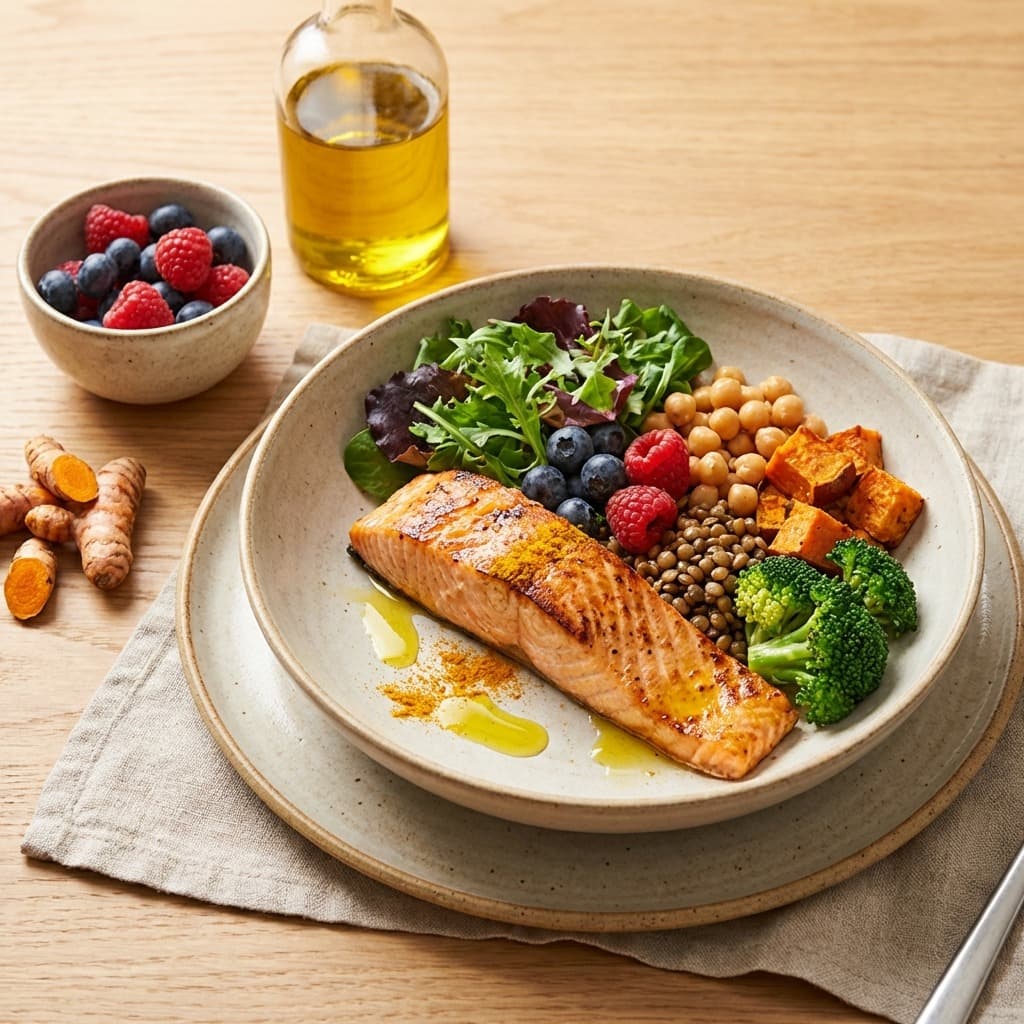
Chronic inflammation doesn't just make you feel bad. It creates the biological environment that allows cancer to develop, grow, and spread. The connection between inflammation and cancer is one of the most well-established relationships in modern oncology.
An anti-inflammatory diet for cancer doesn't promise a cure. What it does is reduce the pro-inflammatory conditions that encourage tumor development, support the immune system's ability to fight abnormal cells, and improve treatment outcomes and quality of life for those already in treatment.
This article covers what the science actually says, which foods to prioritize, and how to use the Inflamous app to track your dietary inflammation score.
Important: This article is educational. If you have cancer or are in treatment, dietary changes should be discussed with your oncologist and a registered dietitian oncologist before implementation.
How Inflammation Drives Cancer
The link between inflammation and cancer has been understood for decades, but the molecular mechanisms have become clear only recently.
Chronic inflammation creates a tissue environment rich in reactive oxygen species, pro-inflammatory cytokines, and growth factors. These signals:
- Promote DNA damage: Reactive oxygen species from inflammatory cells can directly damage DNA, creating mutations that lead to malignant cells.
- Suppress immune surveillance: Chronic inflammation creates an immunosuppressive tumor microenvironment that allows cancer cells to evade natural killer cells and T cells.
- Drive tumor angiogenesis: Inflammatory cytokines like VEGF and IL-6 stimulate the formation of new blood vessels that supply tumors with oxygen and nutrients.
- Enable metastasis: NF-kB, the master inflammatory switch, activates pathways that help cancer cells break away, invade surrounding tissue, and establish secondary tumors.
Dr. Harold Dvorak famously described tumors as "wounds that do not heal," recognizing that chronic inflammation essentially mimics the biological state of a wound, and cancer cells exploit that state to their advantage.
Epidemiological evidence is consistent. The New England Journal of Medicine estimates that approximately 20-25% of all cancers are attributable to chronic infection and inflammation. For specific cancers like colorectal, pancreatic, and liver cancer, the inflammatory connection is even stronger.
The Dietary Inflammatory Index and Cancer Risk
The Dietary Inflammatory Index (DII) provides a validated, evidence-based way to quantify how pro- or anti-inflammatory an overall diet is. It was developed by researchers at the University of South Carolina using data from over 1,900 peer-reviewed studies.
The cancer risk implications are significant:
- A 2018 meta-analysis in Cancer Medicine found that people with the highest DII scores had a 75% higher risk of colorectal cancer compared to those with the lowest scores.
- A 2019 review in Clinical Nutrition linked high DII scores to increased risk of breast, prostate, and lung cancers.
- A 2021 study in Nutrients found that cancer survivors who shifted to lower-DII diets during treatment had better energy levels, lower fatigue scores, and fewer inflammatory complications.
The Inflamous app scores every food you eat on the DII so you can see where your daily diet falls and make targeted improvements.
Anti-Inflammatory Foods with Cancer-Protective Evidence
Cruciferous Vegetables
Broccoli, cauliflower, Brussels sprouts, kale, arugula, and bok choy contain sulforaphane, indole-3-carbinol, and glucosinolates. These compounds activate NRF2 (the body's master antioxidant switch), inhibit NF-kB inflammatory signaling, and support phase 2 detoxification enzymes that clear carcinogens.
A 2018 systematic review in Cancer Prevention Research found consistent associations between cruciferous vegetable intake and reduced risk of bladder, breast, colorectal, and lung cancers. Lightly steamed or eaten raw retains more active sulforaphane than fully cooked.
Berries
Blueberries, raspberries, strawberries, and blackberries are among the highest-polyphenol foods available. Their anthocyanins, ellagic acid, and pterostilbene have demonstrated anti-proliferative, pro-apoptotic (cancer cell death-triggering), and anti-angiogenic effects in laboratory and animal studies.
A major epidemiological study following over 75,000 women for 18 years (published in Cancer Research) found that women with the highest berry intake had significantly lower risk of estrogen receptor-negative breast cancer.
Fatty Fish and Omega-3s
Salmon, sardines, mackerel, and anchovies provide EPA and DHA, long-chain omega-3s that reduce the pro-inflammatory arachidonic acid cascade. Observational studies consistently link higher omega-3 intake to lower risk of colorectal, breast, and prostate cancers.
A 2020 review in Nutrients found that omega-3 supplementation during chemotherapy reduced inflammatory markers, improved treatment tolerance, and in some studies, enhanced the effectiveness of chemotherapy agents.
Turmeric (Curcumin)
Curcumin is one of the most studied natural compounds in oncology. It inhibits NF-kB, reduces IL-6 and TNF-alpha, promotes apoptosis in cancer cells, and inhibits angiogenesis. Laboratory and animal studies have shown effects against virtually every major cancer type.
Human clinical trials are less definitive due to curcumin's poor bioavailability, but combining it with piperine (black pepper) increases absorption by up to 2,000%. Phase I and II clinical trials have established safety at doses up to 8g daily, and several trials are ongoing for colorectal cancer.
Cook with turmeric and black pepper regularly. If supplementing, look for formulations with piperine or phospholipid complexes.
Extra Virgin Olive Oil
The PREDIMED trial, one of the largest dietary intervention studies ever conducted, found that a Mediterranean diet supplemented with extra virgin olive oil was associated with a 57% relative reduction in breast cancer risk compared to a low-fat control diet.
Oleocanthal, hydroxytyrosol, and other olive oil polyphenols have demonstrated anti-cancer effects in cell studies, particularly against hormone-sensitive cancers. Oleic acid also reduces HER2/neu expression in breast cancer cells.
Alliums: Garlic, Onions, Leeks
Allicin and organosulfur compounds in garlic and other alliums have documented anti-cancer properties. Garlic has been classified as a "potential" cancer-preventive food by the National Cancer Institute. Epidemiological studies link high garlic intake to reduced colorectal and stomach cancer risk.
Legumes and Fiber
Higher fiber intake is consistently linked to lower colorectal cancer risk in large prospective studies. Fiber is fermented by gut bacteria into short-chain fatty acids (butyrate, propionate, acetate), which directly suppress colon cancer cell proliferation and promote apoptosis.
A meta-analysis in Annals of Oncology found that each 10g increase in daily fiber intake was associated with a 10% reduction in colorectal cancer risk.
Green Tea
EGCG from green tea has demonstrated anti-proliferative effects against leukemia, lung, prostate, and breast cancer cells in laboratory studies. Epidemiological evidence from Japanese populations with very high green tea consumption shows lower rates of certain cancers, though confounding factors make causation difficult to establish.
Foods That Increase Cancer Risk Through Inflammation
Processed Meats
The World Health Organization classifies processed meats (bacon, sausage, hot dogs, deli meats) as Group 1 carcinogens. Nitrites, N-nitroso compounds, and heterocyclic amines formed during processing directly damage DNA and promote tumor growth. Even modest consumption increases colorectal cancer risk by approximately 16-18% per daily serving.
Red Meat (High Consumption)
Unprocessed red meat is classified as Group 2A (probably carcinogenic). High consumption correlates with colorectal cancer risk, partly through heme iron's pro-oxidant effects and N-nitroso compound formation in the gut. Keeping red meat to 1-2 portions per week and choosing leaner cuts reduces risk. See our detailed guide on red meat and inflammation.
Ultra-Processed Foods
Ultra-processed foods are associated with higher overall cancer risk in large prospective studies. A 2018 study in the BMJ following over 100,000 French adults found that a 10% increase in ultra-processed food consumption was associated with a 12% increase in overall cancer risk.
Alcohol
Alcohol is a Group 1 carcinogen linked to at least 7 cancers: oral cavity, pharynx, larynx, esophagus, liver, colorectal, and breast. Even moderate consumption increases cancer risk. The mechanism involves acetaldehyde (a toxic byproduct of alcohol metabolism) that directly damages DNA and impairs DNA repair. Read more about alcohol and inflammation.
Sugar and Refined Carbohydrates
High sugar intake drives the insulin-IGF-1 axis, which promotes cancer cell proliferation. Cancer cells are highly dependent on glucose (the Warburg effect). While "sugar feeds cancer" is an oversimplification, chronically elevated insulin and IGF-1 create a tumor-permissive environment.
Anti-Inflammatory Diet During Cancer Treatment
For those currently in treatment, dietary considerations shift:
Maintaining weight and muscle mass becomes a primary goal. Cancer cachexia (muscle wasting) affects up to 80% of cancer patients and worsens outcomes. Adequate protein (1.2-2.0g per kg body weight) from anti-inflammatory sources (fish, poultry, legumes, eggs) is critical.
Managing treatment side effects: Ginger (10 studies, significant anti-nausea effects), small frequent meals, easily digestible foods, and adequate hydration help manage chemotherapy-related nausea and GI disruption.
Avoiding immune suppression: During neutropenia (low white blood cell counts from chemotherapy), a "neutropenic diet" that avoids raw produce, unpasteurized foods, and certain high-risk items is typically recommended. Follow your oncologist's guidance on this.
Antioxidant supplements during treatment: This is controversial. High-dose antioxidant supplements may interfere with some chemotherapy drugs that work through oxidative mechanisms. Always discuss any supplements with your oncologist before starting.
A Sample Anti-Inflammatory Day for Cancer Prevention or Support
Breakfast: Green tea, overnight oats with blueberries, walnuts, and ground flaxseed
Mid-morning: A handful of almonds and a small orange
Lunch: Large salad with arugula, broccoli sprouts, sardines, cherry tomatoes, olive oil, and turmeric-ginger dressing
Afternoon: Kefir or plain yogurt with raspberries
Dinner: Baked salmon with roasted broccoli, garlic green beans, and quinoa
Evening: Chamomile or green tea, small square of dark chocolate (70%+)
This day includes multiple servings of cruciferous vegetables, omega-3 rich fish, berries, prebiotic fiber, polyphenols, and anti-inflammatory spices, all while avoiding refined carbohydrates, processed meats, and alcohol.
Frequently Asked Questions
Can diet cure cancer?
No. There is no dietary approach that cures cancer. Diet can reduce cancer risk, support the immune system, improve quality of life during treatment, and contribute to a biological environment less hospitable to tumor growth, but it works alongside medical treatment, not instead of it. Anyone claiming otherwise is not being honest with you.
What foods should cancer patients avoid?
The most important avoidances are processed meats (hotdogs, bacon, deli meats), alcohol, ultra-processed foods, and excessive sugar. Beyond these, specific restrictions depend on the cancer type and treatment. A registered dietitian oncologist (RDO) can provide personalized guidance.
Is the ketogenic diet good for cancer?
The ketogenic diet, which reduces glucose availability, has theoretical appeal given cancer cells' dependence on glucose. Early research is mixed. Some studies show potential for specific cancers (glioblastoma), others show no benefit or potential harms. It is not a proven cancer treatment, and the restrictive nature can make it difficult to maintain adequate nutrition during treatment. Discuss with your oncologist before trying.
Should I take antioxidant supplements during chemotherapy?
This is one of the most debated questions in oncology nutrition. High-dose supplements (vitamin C, vitamin E, selenium) may interfere with certain chemotherapy agents that work through oxidative damage. Getting antioxidants from whole food is generally safer. Do not take supplements during chemotherapy without explicit clearance from your oncologist.
How does the Mediterranean diet relate to cancer?
The Mediterranean diet is one of the best-studied dietary patterns for cancer prevention. The PREDIMED trial showed significant cancer risk reduction. It aligns closely with anti-inflammatory eating: high in vegetables, fruit, olive oil, fish, and legumes; low in red meat, processed foods, and sugar. If you want a named dietary framework to follow, Mediterranean is the most evidence-backed choice.
For a deeper look at the DII scoring system and how foods are rated, visit our Science page. See also The Ultimate Guide to Inflammation and Disease for the broader picture.