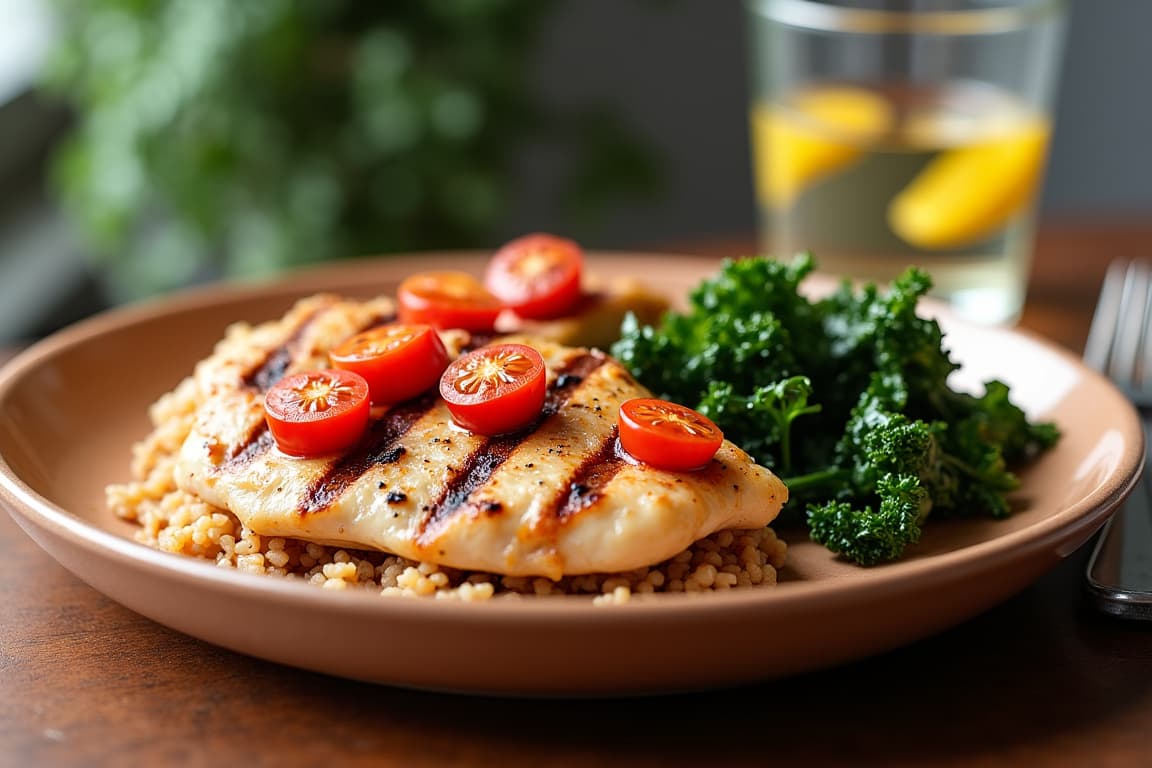
A gout anti inflammatory diet should do two things at once: reduce the foods most likely to raise uric acid and lower the overall inflammatory load of the diet. That usually means cutting back on beer, sugary drinks, organ meats, and large portions of certain high-purine foods, while eating more vegetables, fruit, legumes, lower-fat dairy, whole foods, and hydration-supportive meals. Diet alone may not control gout for everyone, but research suggests it can help support fewer flares and better long-term management.
Gout is different from generic inflammation. Uric acid is the main issue, but when uric acid crystals trigger a flare, inflammation becomes the painful result. So the diet has to respect both sides of the problem.
The first priority: lower the biggest gout triggers
If you have gout, the most important foods to limit are usually not random vegetables. They are the repeat offenders linked with higher uric acid burden.
Common dietary triggers include:
- Beer and excess alcohol
- Sugar-sweetened beverages, especially those high in fructose
- Organ meats
- Large amounts of anchovies, sardines, shellfish, or red meat in susceptible people
- Heavy fast-food patterns tied to weight gain and metabolic dysfunction
Fructose matters because it can increase uric acid production. That is one reason sugary drinks are such a problem in gout. If you have not already, read sugar and inflammation: the complete breakdown, because many of the same foods that worsen inflammatory load also make gout management harder.
The second priority: build a lower-inflammatory base diet
Once the biggest triggers are addressed, the next move is to improve the whole pattern. A lower-inflammatory diet may help because gout flares are inflammatory events, and many people with gout also have overlapping issues such as insulin resistance, higher body weight, or cardiovascular risk.
Foods that often fit well include:
- Vegetables of all kinds
- Fruit, especially whole fruit
- Beans and lentils in moderate, balanced meals
- Lower-fat dairy foods
- Whole grains in reasonable portions
- Nuts, seeds, and olive oil
- Fish in personalized amounts depending on tolerance and clinician advice
This pattern overlaps heavily with anti-inflammatory diet for beginners and mediterranean diet vs anti-inflammatory diet.
Foods that may help support a gout-friendly diet
Cherries and berries
Cherries get the most attention in gout conversations, but berries are useful too. They provide polyphenols, vitamin C, and fiber, and they are much better choices than sugary desserts.
Low-fat dairy
Low-fat yogurt, kefir, and milk are often associated with lower gout risk in observational studies. They are worth considering if tolerated.
Coffee and hydration
Coffee may be associated with lower gout risk in some research, though tolerance varies. Water matters even more. Dehydration can worsen uric acid concentration, so regular hydration is a basic but important step.
Vitamin C-rich foods
Citrus, berries, kiwi, peppers, and greens may support a healthier diet pattern overall. They are not a replacement for treatment, but they fit well.
Olive oil, nuts, and avocado
These foods support a lower-inflammatory diet without adding the sugar or purine burden of more problematic foods. Olive oil and avocado are especially practical swaps.
What about fish and high-purine vegetables?
This is where gout advice often gets confusing.
Some fish are high in purines, so people with gout may need to be more selective about portion size and frequency. But that does not mean all fish is off limits for everyone. Decisions should be individualized.
Vegetables that contain purines, such as asparagus, spinach, mushrooms, and cauliflower, generally do not seem to carry the same gout risk as purine-rich meats. That is why most experts do not tell people with gout to avoid vegetables broadly.
So yes, spinach can still fit in a gout-friendly pattern for most people.
The Inflammation Score Breakdown
For gout, a smart score looks at both inflammatory load and uric acid logic.
Usually helpful
- Water and unsweetened beverages
- Vegetables and whole fruit
- Lower-fat dairy
- Olive oil
- Nuts and seeds
- Fiber-rich meals
- Modest portions and weight-supportive eating patterns
Usually less helpful
- Sugary drinks and fructose-heavy beverages
- Beer and excess alcohol
- Organ meats
- Frequent fast food and ultra-processed meals
- Very large portions of red meat or certain seafood in susceptible people
Foods like blueberries, greens, beans, and whole grains often make the meal score better overall, even if gout management still requires personal trigger awareness.
A practical day of eating for gout and inflammation
A simple day might look like:
- Greek yogurt with berries and walnuts for breakfast
- Salad with chickpeas, cucumber, greens, olive oil, and lemon for lunch
- Fruit and nuts for a snack
- Roasted chicken or tofu with vegetables and brown rice for dinner
- Water throughout the day
That kind of pattern lowers sugar exposure, supports weight management, and keeps inflammatory load lower than a typical fast-food pattern.
FAQ
What foods should you avoid with gout?
The biggest ones are sugary drinks, beer, organ meats, and excess amounts of certain purine-rich foods, especially if you know they trigger flares.
Are tomatoes bad for gout?
Most people can eat tomatoes. Some individuals report personal sensitivity, but tomatoes are not a universal gout trigger.
Is salmon good or bad for gout?
It depends on the person and portion size. Fish can be part of a healthy diet, but some people with gout may need to be selective about type and frequency.
Can an anti-inflammatory diet stop gout flares?
It may help reduce risk and support overall management, but it may not replace medications or individualized medical guidance.
Bottom line
A gout anti inflammatory diet works best when it lowers both uric acid pressure and inflammatory load. Focus on cutting sugary drinks, beer, and obvious high-purine triggers, then build meals around vegetables, whole fruit, lower-fat dairy, fiber-rich staples, and healthy fats.
Use the Inflamous app to compare meals, spot hidden sugar patterns, and build a diet that is better for both inflammation and gout management over time.
Why weight loss can matter, but crash dieting can backfire
For many people with gout, gradual weight loss may help reduce flare risk over time because it improves metabolic health and can lower uric acid burden. But aggressive dieting or fasting is not the answer. Rapid weight loss can actually increase uric acid temporarily and may trigger problems in some people.
That is why gout nutrition works best when it is steady and sustainable. Better meals, fewer sugary drinks, more fiber, and moderate energy intake usually beat extreme dieting every time.
Restaurant strategies for gout-friendly eating
When eating out, a few habits can help a lot:
- Start with water, not soda or beer
- Choose grilled or roasted proteins over fried items
- Ask for vegetables or salad on the side
- Keep sauces moderate if they are sugary
- Avoid turning one meal into a triple hit of alcohol, red meat, and dessert
These choices are not glamorous, but they are effective because they keep the inflammatory and uric acid load lower.
Why hydration deserves more respect
Hydration advice sounds boring, which is probably why people ignore it. But for gout it matters. Regular fluid intake helps keep uric acid more diluted, and people often do worse during travel, heat exposure, illness, or periods of heavy alcohol use when hydration slips.
Water is not a treatment by itself, but it is one of the simplest daily supports for gout management.
A few foods that deserve a more nuanced conversation
People with gout often get overly broad food lists that make eating feel impossible. A more useful approach is understanding tiers of concern.
Red meat
Red meat is not automatically forbidden, but frequent large portions can make gout management harder in some people. An occasional moderate serving may fit better than a daily habit.
Seafood
Some seafood is more likely to be an issue because of purine content. That does not mean every seafood meal triggers a flare, but it is worth knowing your own tolerance and discussing specifics if flares are frequent.
Legumes
Beans and lentils contain purines, but they generally do not appear to have the same gout risk profile as purine-rich meats. That is one reason many gout-friendly dietary patterns still include them.
Fruit
Whole fruit is generally a better choice than sweetened drinks, even though it contains natural sugar. The fiber and food structure matter.
How to build a plate during and between flares
During a flare, simple meals may feel easier. Think yogurt, fruit, soups, oats, rice with vegetables, eggs, or lighter proteins if tolerated. Between flares, the goal is not a temporary “cleanse.” It is a durable pattern that reduces trigger exposure and supports better metabolic health all year.
That long-game approach usually works better than swinging between restriction and relapse.