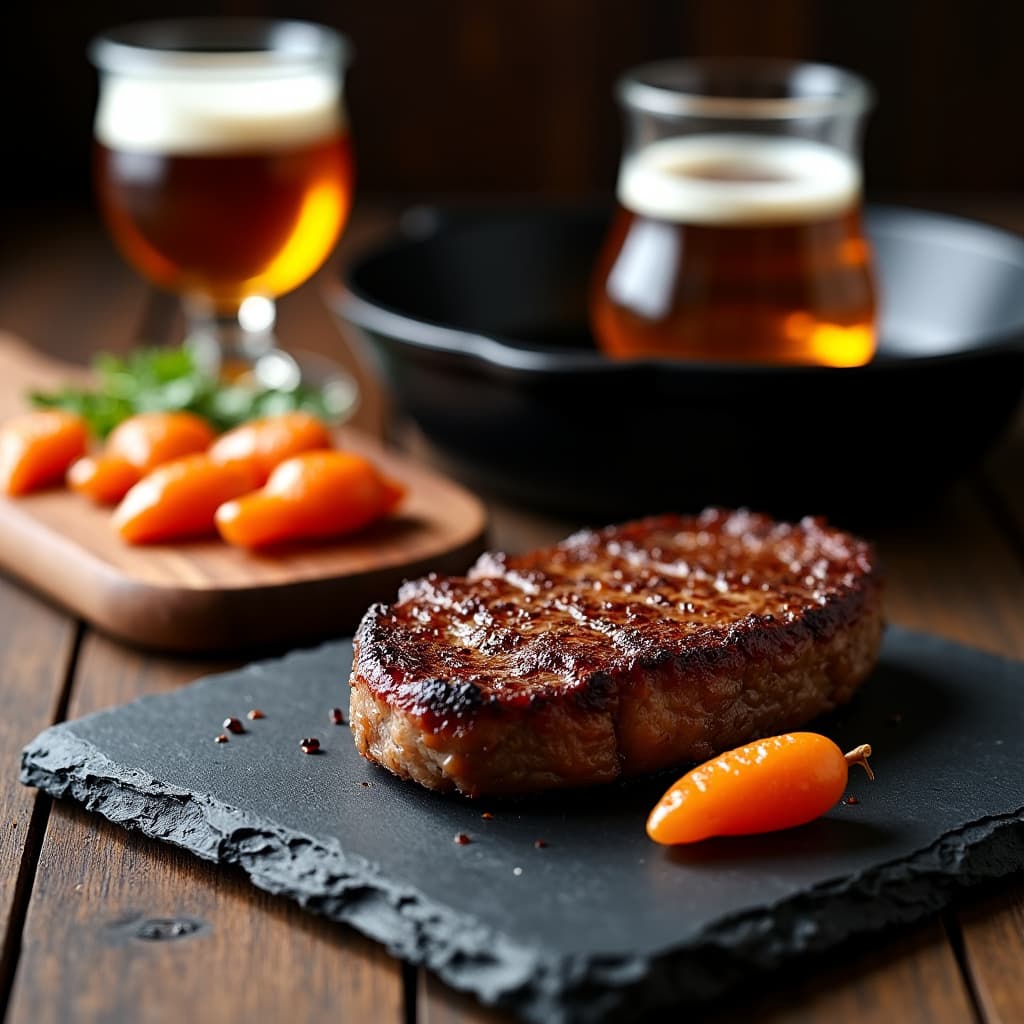
Gout is a form of inflammatory arthritis caused by uric acid crystals depositing in joints, most often the big toe. Specific foods can raise uric acid levels and trigger attacks within 24 to 48 hours of consumption. Roughly 9.2 million American adults have gout, and dietary triggers drive a significant portion of flare-ups.
The short answer: foods highest in purines, fructose, and alcohol cause gout. Organ meats, certain seafood, beer, sugary drinks, and red meat top the list. What you eat matters, but so does what you drink, since hydration affects how efficiently your kidneys clear uric acid.
How Food Triggers a Gout Attack
Gout develops through a three-step chain. First, purines from food and cellular turnover get metabolized into uric acid. Second, if your kidneys cannot excrete uric acid fast enough, it builds up in the blood (hyperuricemia). Third, when blood levels exceed roughly 6.8 mg/dL, uric acid crystallizes into sharp needles that deposit in joints and trigger immune attacks.
Three mechanisms drive food-related flares:
Purine load. Purines are nitrogen-containing compounds found in all cells but concentrated in organ meats, certain fish, and game meats. Your body converts them directly into uric acid.
Fructose metabolism. Unlike glucose, fructose is metabolized almost entirely in the liver. This process burns ATP and produces uric acid as a byproduct. A 2020 meta-analysis in Nutrients found that each daily serving of sugar-sweetened beverages raised gout risk by 13 percent.
Kidney interference. Alcohol, especially beer, inhibits the kidneys' ability to excrete uric acid. A single heavy drinking session can spike uric acid for 24 to 48 hours, long after the alcohol itself is gone.
Beyond uric acid, gout involves chronic inflammation. A 2021 study in Arthritis and Rheumatology found that patients eating pro-inflammatory diets (high Dietary Inflammatory Index scores) had 42 percent more frequent flares than those eating anti-inflammatory diets, independent of uric acid levels. The systemic inflammation primes the immune system to react more aggressively when crystals form.
The Top Foods That Cause Gout
Organ Meats
Liver, kidney, sweetbreads, tripe, and brain are the highest purine foods in the human diet, containing 200 to 500 mg of purines per 100 grams. A single serving can spike uric acid enough to trigger a flare in susceptible people. Pate, foie gras, and liverwurst fall in the same category.
Smarter swap: Limit all organ meats during active gout management. Choose lean cuts of chicken or turkey breast instead. These have roughly 60 to 80 mg of purines per 100 grams.
Certain Seafood
Not all seafood is equal. Anchovies, sardines, mackerel, herring, mussels, and scallops contain 100 to 200 mg of purines per 100 grams. Tuna, especially canned and sushi-grade, is also high. Shrimp, oysters, and most white fish are moderate.
A 2018 prospective cohort in JAMA Internal Medicine followed 47,000 men and found that high seafood consumers had a 50 percent higher gout risk than low consumers. The effect was strongest for shellfish and small oily fish.
Smarter swap: Limit anchovies, sardines, and mussels to occasional consumption. Salmon and trout are moderate-purine fish with high anti-inflammatory omega-3 content, which may partially offset the purine load.
Red Meat and Game
Beef, lamb, venison, bison, and pork sit in the moderate-to-high purine range, around 70 to 150 mg per 100 grams. Red meat consumption has a well-documented dose-response relationship with gout. Each daily serving raises risk by about 21 percent according to the JAMA cohort study above.
The saturated fat in red meat also promotes insulin resistance, which reduces kidney uric acid excretion. This is a double hit: more uric acid in, less uric acid out.
Smarter swap: Limit red meat to two servings per week. Choose grass-fed when possible. Build meals around legumes, poultry, and plant proteins instead.
Beer and Hard Liquor
Beer is uniquely bad for gout. It contains both alcohol (which impairs kidney uric acid clearance) and guanosine (a purine precursor from the brewing yeast). A single beer can raise uric acid for several hours. A 2004 study in The Lancet followed 47,000 men over 12 years and found that two beers per day doubled gout risk compared to non-drinkers.
Hard liquor raises risk less than beer but more than wine. Wine in moderation (one glass per day) shows a neutral to slightly protective effect in most studies.
Smarter swap: If you drink, stick to one glass of red wine with meals. Cut beer entirely during flare-ups. Consider alcohol-free days weekly.
Sugary Drinks and Fruit Juice
Fructose is the only carbohydrate that directly raises uric acid. Sugar-sweetened sodas (which use high-fructose corn syrup), fruit juices, sweet teas, and sports drinks can all trigger flares. A 16-ounce soda contains roughly 20 to 25 grams of fructose, enough to measurably raise uric acid within hours.
Orange juice and apple juice are natural but still concentrated fructose sources. Whole fruit is different because fiber slows fructose absorption and blunts the uric acid spike.
Smarter swap: Water, unsweetened tea, or sparkling water with a squeeze of lime. Eat whole fruit instead of juice. Cherries specifically have been shown to lower gout flare risk by 35 percent when consumed regularly.
High-Fructose Processed Foods
Beyond drinks, high-fructose corn syrup hides in breakfast cereals, yogurt, salad dressings, pasta sauce, and many baked goods. Read labels. If HFCS is in the first five ingredients, assume it is contributing meaningfully to your fructose load.
Smarter swap: Check labels. Choose plain yogurt, unsweetened cereals, and homemade sauces. Natural fructose in whole fruit is not a gout trigger in typical amounts.
Inflammation Score Breakdown
On the Inflamous scale, these foods rank consistently high:
- Organ meats: severely inflammatory (score 8 to 9)
- Beer: severely inflammatory (score 8)
- Anchovies and sardines: neutral to mildly inflammatory despite omega-3 content, due to purines (score 5 to 6)
- Red meat: moderately inflammatory (score 6 to 7)
- Sugary drinks: severely inflammatory (score 9)
- High-fructose processed foods: severely inflammatory (score 8 to 9)
Foods that actively lower gout risk score as strongly anti-inflammatory:
- Cherries: score -8 (strongly anti-inflammatory, reduces flares)
- Coffee: score -5 (lowers uric acid)
- Low-fat dairy: score -4 (casein promotes uric acid excretion)
- Vitamin C-rich foods: score -6 (reduces uric acid)
Practical Tips for Gout Management
Manage gout through consistent choices, not heroic dietary flips between flares.
Hydrate aggressively. Aim for 3 liters of water daily. Dilute urine clears uric acid better. Dehydration is a common flare trigger that gets missed.
Eat cherries daily. Half a cup of fresh cherries or an ounce of tart cherry juice daily has real data behind it. The 2012 Arthritis and Rheumatology study showed a 35 percent flare reduction.
Drink coffee. Regular coffee consumption (two to three cups daily) is associated with 40 percent lower gout risk. The mechanism involves both caffeine and chlorogenic acids that improve uric acid excretion.
Include low-fat dairy. Milk and yogurt contain casein and lactalbumin, proteins that increase uric acid excretion. One to two servings daily is associated with lower gout risk.
Lose weight slowly. Rapid weight loss releases uric acid from tissues and can trigger flares. Aim for one to two pounds per week if you need to lose weight.
Cut sugar-sweetened drinks entirely. This single change has larger effects than cutting most foods. Water, tea, and coffee are the drinks of gout-free people.
Sample Day for Gout-Friendly Eating
Breakfast: Oatmeal with fresh cherries, walnuts, and a splash of low-fat milk. Black coffee. One boiled egg.
Lunch: Large salad with grilled chicken breast, mixed greens, cucumber, tomato, avocado, and olive oil dressing. Water with lemon.
Snack: Plain Greek yogurt with blueberries. Handful of almonds.
Dinner: Baked salmon (3 oz portion), roasted sweet potato, steamed broccoli. Herbal tea.
Throughout the day: 3 liters of water minimum. Tart cherry juice shot if desired.
This template keeps purines low, fructose minimal, and provides consistent anti-inflammatory support.
Frequently Asked Questions
How quickly do foods trigger a gout attack? Most food-triggered flares happen within 24 to 48 hours of the triggering meal. Beer can trigger faster, sometimes within 12 hours due to its combined alcohol and guanosine content.
Are tomatoes bad for gout? Recent research has flagged tomatoes as a potential trigger for some patients, though they are not high in purines. A 2019 study in BMC Musculoskeletal Disorders found 20 percent of gout patients identified tomatoes as a trigger. The mechanism may involve glutamate. If you suspect a trigger, track your symptoms.
Can I eat any beans if I have gout? Yes. Older guidelines warned against all legumes due to moderate purine content, but modern research shows plant-based purines do not raise gout risk. Lentils, chickpeas, and black beans are safe and recommended.
Does fasting help or hurt gout? Fasting typically hurts. Rapid ketone production competes with uric acid for kidney excretion. Avoid prolonged fasts during active gout management.
How much cherry juice do I need? Studies used 1 to 2 ounces of tart cherry juice concentrate daily, or about half a cup of fresh cherries. Consistency matters more than dose. Daily is better than occasional large amounts.
Track Your Gout Triggers with Inflamous
Tracking which foods correlate with your flares is the single highest-leverage thing you can do. Generic lists are a starting point, but personal triggers vary.
Inflamous lets you log meals, score them by inflammation load, and spot patterns between what you eat and how you feel. Download the app and get a clearer picture of your own gout triggers.
Download Inflamous for iOS and Android.
Related reading: