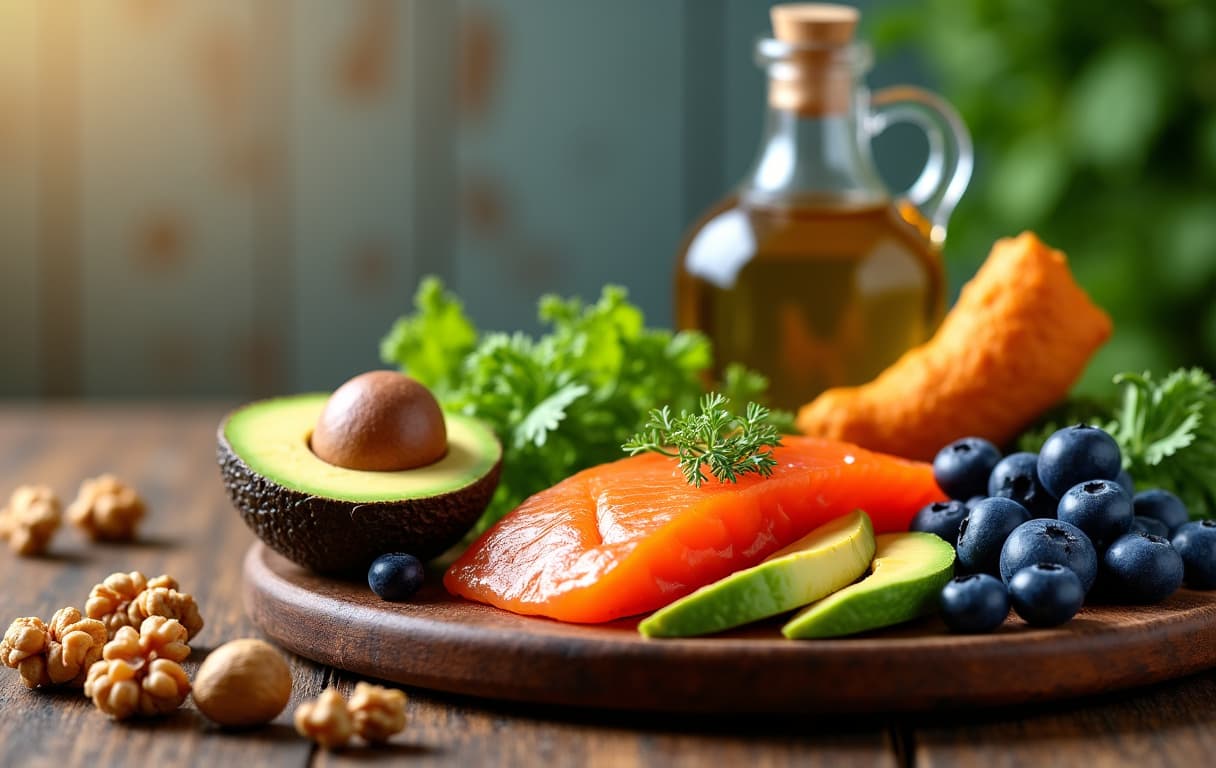
What is an anti-inflammatory diet?
An anti-inflammatory diet is not a specific meal plan. It is a way of eating that consistently keeps your body's inflammatory signaling in a lower, healthier range. It prioritizes foods that research has linked to lower inflammatory biomarkers (like CRP and IL-6), and it reduces foods that are well-documented drivers of chronic inflammation.
The simplest definition: eat more whole, colorful, minimally processed foods; eat fewer ultra-processed, sugar-laden, and refined foods.
This guide gives you everything you need to start, from the science behind how food affects inflammation to a practical 7-day framework you can begin today.
Why chronic inflammation matters
Your body's inflammatory response is a critical survival tool. Short-term inflammation fights infections and heals injuries. The problem is chronic, low-grade inflammation that stays elevated for months or years.
Chronic inflammation is now understood as a central driver of most major modern diseases: cardiovascular disease, type 2 diabetes, obesity, certain cancers, autoimmune conditions, and neurodegenerative diseases including Alzheimer's.
What causes chronic inflammation? Many things: stress, sleep deprivation, sedentary behavior, environmental toxins. But diet is one of the biggest and most actionable levers. Research using the Dietary Inflammatory Index (DII) consistently shows that people eating the most pro-inflammatory diets have higher rates of all these conditions. Learn how the DII is calculated in the science behind the Dietary Inflammatory Index.
The good news: dietary inflammation is modifiable. You can move your DII score in the right direction starting with your next meal.
The core science: what makes food anti-inflammatory or pro-inflammatory?
Several well-understood mechanisms determine a food's inflammatory impact:
Omega-6 to omega-3 ratio. Omega-6 fatty acids (abundant in seed oils, processed foods, and conventionally raised meat) are precursors to pro-inflammatory prostaglandins. Omega-3 fatty acids (found in fatty fish, flaxseed, walnuts) compete for the same enzymes and produce anti-inflammatory resolvins and protectins. Modern Western diets run at a 15:1 omega-6 to omega-3 ratio. The target for low inflammation is closer to 4:1 or lower.
Polyphenols and phytonutrients. Compounds like curcumin, anthocyanins, resveratrol, and EGCG directly suppress NF-kB (the master inflammatory signaling switch) and scavenge free radicals that would otherwise trigger inflammatory cascades. These come from berries, olive oil, green tea, turmeric, colorful vegetables, and dark chocolate.
Glycemic load. High blood sugar triggers the release of TNF-alpha, IL-6, and other pro-inflammatory cytokines. Foods with high glycemic loads (white bread, soda, pastries, sugary breakfast cereals) consistently spike inflammation markers. Low-glycemic whole foods keep insulin and inflammatory signaling lower.
Gut microbiome effects. Fiber feeds anti-inflammatory gut bacteria. Emulsifiers, artificial sweeteners, and low-fiber processed diets disrupt gut bacteria diversity and increase gut permeability, which allows inflammatory molecules to enter circulation.
Anti-inflammatory foods: your master list
The tier 1 essentials (eat daily or near-daily)
Leafy greens (spinach, kale, arugula, Swiss chard): dense in magnesium, folate, vitamin K, and anti-inflammatory phytonutrients. A cup or more per day is a baseline target. See spinach's inflammation score.
Berries (blueberries, strawberries, raspberries, blackberries): among the highest polyphenol density of any food, particularly anthocyanins that suppress NF-kB signaling. Fresh or frozen, aim for a daily serving.
Extra virgin olive oil: the primary fat in the Mediterranean diet and one of the most studied anti-inflammatory dietary components. Oleocanthal, oleic acid, and hydroxytyrosol all contribute to its anti-inflammatory profile. Use it for everything from sauteing vegetables to dressing salads.
Walnuts and almonds: walnuts have the highest omega-3 content of any nut. A small handful daily provides alpha-linolenic acid (ALA), polyphenols, and magnesium.
Whole grains (oats, quinoa, brown rice, farro): provide beta-glucan fiber that feeds anti-inflammatory bacteria and keeps blood glucose stable. Replace refined white flour products with these.
Tier 2 targets (3-5 times per week)
Fatty fish (salmon, sardines, mackerel, herring): the best dietary source of EPA and DHA, the omega-3s with the strongest anti-inflammatory evidence. Two to three servings per week is minimum. If you do not eat fish, algae-based omega-3 supplements work. Check salmon on the inflammation index.
Cruciferous vegetables (broccoli, cauliflower, Brussels sprouts, kale): high in glucosinolates that support liver detoxification and estrogen metabolism, plus anti-inflammatory sulforaphane.
Legumes (lentils, chickpeas, black beans): high in fermentable fiber, plant protein, and B vitamins. Support gut microbiome diversity and keep blood glucose stable.
Avocado: high in monounsaturated fat, fiber, potassium, and anti-inflammatory plant sterols. One half to one avocado several times per week contributes meaningfully to a lower DII score.
Turmeric with black pepper: curcumin from turmeric is one of the most studied anti-inflammatory compounds in food. It needs piperine from black pepper to be absorbed effectively. Add both to soups, rice, roasted vegetables, and smoothies. Read the full breakdown on turmeric and anti-inflammatory compounds.
Tier 3 additions (beneficial, add when possible)
Green tea, ginger, garlic, dark chocolate (70%+ cocoa), tart cherries, pomegranate, flaxseed, hemp seeds.
What to reduce or cut
This is where most people see the biggest gains, especially early on:
Refined sugar and added sugars: the number one dietary driver of systemic inflammation for most people. Sweetened beverages, pastries, candy, many cereals, and even "healthy" flavored yogurts are loaded. Start by cutting sweetened drinks.
Ultra-processed foods: if it has a long ingredient list featuring modified starches, emulsifiers, artificial flavors, and multiple sweeteners, it is designed to be hyperpalatable and is almost certainly pro-inflammatory. Read how ultra-processed foods drive chronic inflammation.
Processed meats (bacon, hot dogs, deli meats, sausage): high in nitrates, saturated fat, AGEs, and heme iron, all of which promote inflammation. See the full list in 15 inflammatory foods to cut from your diet today.
Refined carbohydrates (white bread, white pasta, white rice, crackers): strip away fiber and nutrients, spike blood glucose, and drive inflammatory cytokine release.
Seed oils high in omega-6 (soybean oil, corn oil, sunflower oil, cottonseed oil): these are the hidden source of excessive omega-6 in Western diets. They show up in nearly every packaged food, restaurant meal, and fast food item. Switching to olive oil and avocado oil at home is the single most impactful fat change you can make.
Alcohol: a gut-permeability disruptor and direct pro-inflammatory trigger. Even two drinks per day can meaningfully raise CRP.
Your 7-day beginner framework
You do not need to overhaul everything at once. This is a week-by-week approach designed for real life.
Day 1-2: The swap phase
Replace your cooking oil with extra virgin olive oil. Switch from white bread to whole grain bread. Drink water or green tea instead of soda or sugary coffee drinks. These are low-effort, high-impact changes.
Day 3-4: Add anti-inflammatory anchors
Add blueberries or mixed berries to breakfast. Eat a large leafy green salad at lunch. Aim for one handful of walnuts as an afternoon snack.
Day 5-6: The protein pivot
Add a serving of fatty fish (baked salmon, sardines, or mackerel) to dinner. If you normally eat processed meat at lunch, replace it with chickpeas, lentils, or grilled chicken.
Day 7: Review and plan ahead
Look back at what worked and what felt hard. Prep some basic components for the next week: a pot of lentils or beans, a batch of roasted vegetables, some cut fruit in the fridge.
For a full structured meal plan, the 7-day anti-inflammatory meal plan has complete recipes and shopping lists.
Anti-inflammatory breakfast ideas
Breakfast is often where people struggle most because defaults (cereal, toast, pastries, flavored yogurt) tend to be high-glycemic and pro-inflammatory.
Some easy wins:
- Oatmeal with ground flaxseed, walnuts, and blueberries
- Greek yogurt (plain) with fresh berries and a drizzle of honey
- Two eggs scrambled in olive oil with spinach and a slice of avocado
- Overnight oats with chia seeds and mixed berries
More ideas in anti-inflammatory breakfast ideas that actually taste good.
Common beginner mistakes
Trying to change everything at once. The strongest evidence is that sustainable dietary change comes from building habits progressively, not from dramatic overhauls that last two weeks and collapse.
Focusing only on adding "superfoods" while ignoring what to cut. Adding blueberries while continuing to drink two sodas per day will not move your DII score much. Reductions matter as much as additions.
Assuming organic or "natural" labels mean anti-inflammatory. Many organic processed foods are still high in refined sugar and omega-6 oils. Read ingredients, not marketing.
Skipping fat out of old nutritional habits. Healthy fats from olive oil, avocado, walnuts, and fatty fish are central to an anti-inflammatory diet. Low-fat approaches from the 1980s and 1990s were largely wrong about dietary fat.
Not tracking. Without some form of tracking, you are working blind. You cannot know how your DII score is moving if you are not measuring it.
How to track your progress
The Dietary Inflammatory Index score for a person's diet can be calculated from detailed food records. The Inflamous app automates this: log your meals and get real-time DII scores so you can see exactly how your food choices are affecting your cumulative inflammation load each day.
Download the Inflamous app to start tracking your anti-inflammatory eating, identify your patterns, and watch your DII score move in the right direction over time.
FAQs
How do you start an anti-inflammatory diet? Start with three changes: replace refined cooking oils with extra virgin olive oil, add one serving of fatty fish per week, and swap one daily snack for fresh fruit or a handful of walnuts. These three moves measurably shift your DII score without overhauling your entire routine.
What can you eat on an anti-inflammatory diet? Fatty fish, leafy greens, berries, olive oil, avocados, nuts, seeds, legumes, whole grains, colorful vegetables, turmeric, ginger, and green tea are all central. The focus is on whole, minimally processed foods with high polyphenol and omega-3 content.
What should you avoid on an anti-inflammatory diet? Ultra-processed foods, refined sugar, white flour products, processed meats, vegetable oils high in omega-6, alcohol in excess, and trans fats.
How long does an anti-inflammatory diet take to work? Most people notice changes in energy and digestive comfort within 2 to 4 weeks. Reductions in inflammatory markers like CRP are typically measurable within 6 to 8 weeks of consistent dietary change.
Is the anti-inflammatory diet the same as the Mediterranean diet? They overlap significantly. The Mediterranean diet is one of the most well-researched dietary patterns for reducing inflammation. For a detailed comparison, see Mediterranean diet vs anti-inflammatory diet.