Multiple sclerosis (MS) is a chronic autoimmune disease where the immune system attacks myelin, the protective coating around nerve fibers in the brain and spinal cord. This attack is driven by inflammation. And while medication is the primary treatment for managing MS, what you eat can either fuel that inflammatory fire or help dampen it.
Research on diet and MS has exploded in the past decade. We now have data from large cohort studies, randomized trials, and mechanistic research showing that specific dietary patterns can influence relapse rates, disability progression, fatigue levels, and even brain lesion volume on MRI. An anti-inflammatory diet for MS is not a replacement for disease-modifying therapy. But it is one of the most impactful things a person with MS can control directly.
The Inflammation-MS Connection
MS involves two types of inflammation that interact with each other:
Central neuroinflammation: Immune cells cross the blood-brain barrier and attack myelin sheaths. This causes the lesions visible on MRI and produces the neurological symptoms of MS: numbness, weakness, vision problems, fatigue, and cognitive changes.
Systemic peripheral inflammation: Chronic low-grade inflammation throughout the body that primes immune cells and makes them more aggressive. This systemic inflammation is heavily influenced by diet, gut health, and metabolic factors.
A 2023 meta-analysis in Journal of Neurology, Neurosurgery, and Psychiatry found that MS patients eating pro-inflammatory diets (measured by the Dietary Inflammatory Index) had 40% higher relapse rates and faster disability progression compared to those eating anti-inflammatory diets.
The connection between gut and brain is particularly relevant in MS. About 70% of immune cells reside in the gut, and the gut microbiome directly influences the behavior of T-cells and B-cells that drive the autoimmune attack on myelin.
Foods That May Help Manage MS
Omega-3 Fatty Acids
The most studied nutrient for MS-related inflammation. Omega-3s (EPA and DHA) reduce production of pro-inflammatory cytokines, improve blood-brain barrier integrity, and may support myelin repair.
A 2022 randomized controlled trial published in Multiple Sclerosis Journal found that MS patients taking 4g of fish oil daily for 12 months had significantly reduced relapse rates and improved fatigue scores compared to placebo. Brain MRI showed fewer new or enlarging lesions in the omega-3 group.
Best food sources:
- Wild salmon, mackerel, sardines, anchovies (aim for 2-3 servings per week)
- Walnuts and walnut oil
- Flaxseed and chia seeds
- Algae-based omega-3 supplements (for those who do not eat fish)
Colorful Fruits and Vegetables
Polyphenols in colorful produce have neuroprotective properties specific to MS. Quercetin (onions, apples), resveratrol (grapes, berries), and curcumin (turmeric) all cross the blood-brain barrier and reduce neuroinflammation.
A 2023 study in Nutritional Neuroscience tracked dietary patterns in 1,700 MS patients and found that consuming 5 or more servings of fruits and vegetables daily was associated with 30% lower fatigue scores, better physical function, and improved cognitive performance compared to fewer than 2 servings.
Particularly beneficial:
- Berries (blueberries, strawberries, blackberries) for anthocyanins
- Leafy greens (spinach, kale, Swiss chard) for folate and carotenoids
- Tomatoes for lycopene
- Sweet potatoes and carrots for beta-carotene
- Cruciferous vegetables (broccoli, Brussels sprouts) for sulforaphane
Olive Oil
Extra virgin olive oil contains oleocanthal, a compound with anti-inflammatory potency comparable to ibuprofen. The Mediterranean diet, which features olive oil as the primary fat source, has been studied extensively in MS populations.
A 2021 study in European Journal of Nutrition found that MS patients following a Mediterranean diet rich in olive oil had lower levels of inflammatory biomarkers and better scores on disability assessments than those eating a standard Western diet.
Vitamin D-Rich Foods
Vitamin D deficiency is both a risk factor for developing MS and a predictor of disease activity. Low vitamin D is associated with higher relapse rates and faster disability progression. While sunlight is the primary source, dietary vitamin D contributes to maintaining adequate levels.
Best food sources: fatty fish, egg yolks, fortified dairy products, mushrooms exposed to UV light. Most MS specialists recommend supplementation to maintain blood levels between 40-60 ng/mL, sometimes higher.
Fiber and Fermented Foods
The gut microbiome is altered in MS, with reduced populations of bacteria that produce butyrate (a short-chain fatty acid that supports gut barrier integrity and calms immune responses). Fiber feeds these beneficial bacteria, and fermented foods introduce them.
A 2022 study in Cell Host and Microbe found that MS patients who consumed a high-fiber diet (30g+ daily) for 12 weeks had measurable shifts in gut microbiome composition toward anti-inflammatory species, along with changes in circulating immune cells that suggested reduced autoimmune activation.
Fiber sources: legumes, whole grains, vegetables, fruits, nuts, seeds Fermented foods: yogurt, kefir, sauerkraut, kimchi, miso
Foods to Limit or Avoid
Saturated Fat
The Swank diet, developed in the 1950s by Dr. Roy Swank, was one of the first dietary interventions studied for MS. It restricts saturated fat to less than 15g per day. While the original study had methodological limitations, its core finding has held up: high saturated fat intake is associated with worse MS outcomes.
A 2020 study in Neurology found that MS patients consuming the highest amounts of saturated fat had 2.7 times more relapses and greater brain lesion volume compared to those eating the least. Saturated fat appears to increase blood-brain barrier permeability, making it easier for immune cells to enter the central nervous system.
Reduce: red meat, full-fat dairy, butter, processed meats, fried foods
Ultra-Processed Foods
Beyond saturated fat, processed foods contain emulsifiers, artificial sweeteners, and food additives that damage gut barrier integrity. In MS, where gut health directly influences immune behavior, this is particularly problematic.
A 2023 study in BMC Neurology found that ultra-processed food consumption was independently associated with higher disability scores in MS patients, even after adjusting for total calorie intake, BMI, and physical activity level.
Excess Sugar
High sugar intake promotes insulin resistance, increases systemic inflammation, and feeds pro-inflammatory gut bacteria. MS patients already tend toward insulin resistance as a consequence of reduced physical activity and medication effects. Adding dietary sugar compounds the problem.
Excess Sodium
High salt intake has been linked to increased autoimmune activity in MS. A 2015 study in Multiple Sclerosis Journal found that higher sodium intake was associated with increased relapse risk and greater MRI lesion activity. Salt appears to shift T-cell differentiation toward pro-inflammatory Th17 cells, which are key drivers of the MS autoimmune response.
Alcohol in Excess
While light-to-moderate alcohol consumption shows mixed results in MS research, heavy drinking is clearly harmful. Alcohol damages gut barrier function, increases neuroinflammation, and interacts with many MS medications. If you choose to drink, limit to 1 serving per day or less.
Popular MS Diets Compared
Several named diets have been studied or popularized for MS:
Mediterranean Diet: Best overall evidence base. Rich in olive oil, fish, produce, legumes, and whole grains. Moderate in dairy and wine. Low in red meat and processed foods. Multiple studies show associations with better MS outcomes.
Wahls Protocol: Developed by Dr. Terry Wahls, who has MS herself. Emphasizes 9 cups of fruits and vegetables daily (3 cups leafy greens, 3 cups sulfur-rich, 3 cups deeply colored), organ meats, and wild-caught fish. More restrictive than Mediterranean but has growing research support.
Swank Diet: Very low in saturated fat (under 15g/day), high in fish and plant-based fats. One of the first MS diets studied, with some long-term observational data suggesting benefit.
AIP (Autoimmune Protocol): Eliminates grains, dairy, legumes, nightshades, eggs, nuts, and seeds in an initial elimination phase, then reintroduces gradually. More restrictive than necessary for most MS patients, but some find it helpful for identifying personal food triggers.
All four share common ground: more fish, more vegetables, more healthy fats, less processed food, less saturated fat, less sugar. The differences are mostly in how strict the restrictions are.
Building an MS-Friendly Meal Plan
Breakfast:
- Smoothie with spinach, blueberries, flaxseed, kefir, and a scoop of collagen
- Eggs scrambled with vegetables and avocado, served with mixed berries
- Overnight oats with walnuts, chia seeds, and fruit
Lunch:
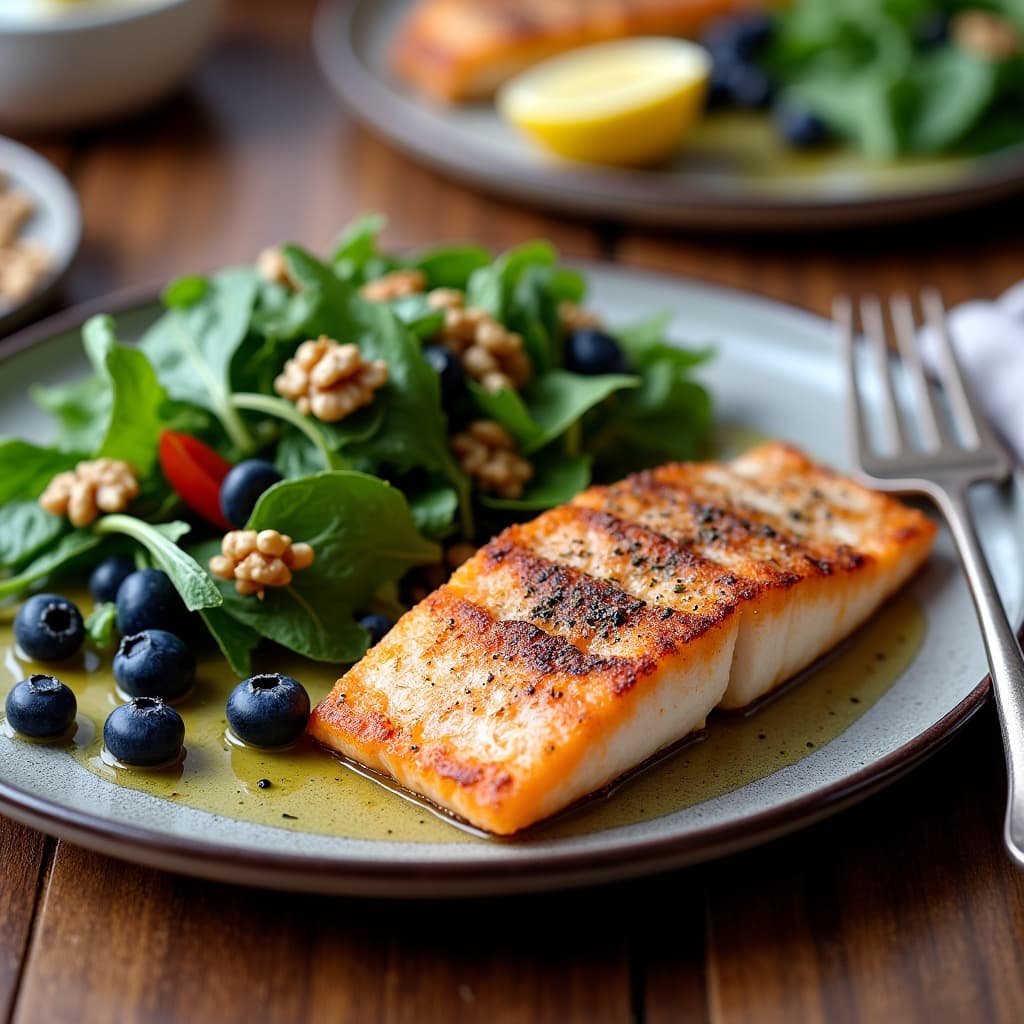
- Large salad with grilled salmon, mixed greens, chickpeas, olive oil, and lemon
- Lentil soup with turmeric, ginger, and a side of whole grain bread
- Quinoa bowl with roasted vegetables, avocado, and tahini dressing
Dinner:
- Baked mackerel with roasted sweet potatoes and steamed broccoli
- Chicken and vegetable stir-fry with brown rice and sesame oil
- White bean and vegetable stew with kale and olive oil
Snacks:
- Handful of walnuts with a piece of fruit
- Hummus with raw vegetables
- Greek yogurt with berries
Exercise, Stress, and the Bigger Picture
Diet is one piece of a larger inflammation management strategy. Exercise has strong evidence for reducing neuroinflammation in MS (even moderate walking helps). Stress management through meditation, adequate sleep, and social connection also modulates the immune system.
Vitamin D status, smoking cessation, and weight management are all independently linked to MS outcomes. An anti-inflammatory diet works best as part of this comprehensive approach, not as a standalone intervention.
Tracking Your Dietary Inflammation
The Inflamous app calculates your daily Dietary Inflammatory Index score, giving you objective feedback on whether your eating pattern is pro-inflammatory or anti-inflammatory. For MS patients, tracking this over time alongside symptom logs can reveal which foods and patterns correlate with better or worse days.
This is not about obsessing over every meal. It is about recognizing patterns over weeks and months that help you make informed choices.
FAQ
Can an anti-inflammatory diet cure MS?
No. MS is a complex autoimmune disease that requires medical management. But diet can meaningfully influence inflammation levels, relapse frequency, fatigue, and quality of life. Think of it as a powerful tool that works alongside medication, not a replacement.
How long before I notice dietary changes affecting my MS symptoms?
Fatigue and energy improvements are often the first changes noticed, typically within 4 to 8 weeks. Relapse rate changes take longer to assess, usually 6 to 12 months. MRI changes have been documented after 12 months of consistent dietary modification in some studies.
Should I take omega-3 supplements or just eat more fish?
Both approaches are valid. Eating fatty fish 2-3 times per week provides omega-3s along with selenium, vitamin D, and protein. If you do not eat fish, a high-quality fish oil or algae-based omega-3 supplement providing 2-4g of combined EPA and DHA daily is a reasonable alternative. Discuss with your neurologist, as omega-3s can interact with blood-thinning medications.
Is the Wahls Protocol better than a Mediterranean diet for MS?
There is no head-to-head randomized trial comparing them. The Wahls Protocol has preliminary evidence from smaller studies, while the Mediterranean diet has broader epidemiological support. Both emphasize the same core principles. Choose whichever you can sustain long-term, because consistency matters more than which specific protocol you follow.
Do I need to eliminate gluten if I have MS?
Not necessarily. Unless you have celiac disease or confirmed gluten sensitivity, there is no strong evidence that gluten elimination specifically improves MS outcomes. Some patients report feeling better without gluten, possibly due to reduced processed food intake or placebo effect. A trial elimination of 8 to 12 weeks can help you determine if it makes a difference for you personally.
The Bottom Line
An anti-inflammatory diet for MS is one of the few interventions that costs nothing, has no side effects, and has growing evidence supporting meaningful benefits. The core principles are simple: eat more fish, vegetables, fruits, olive oil, and fermented foods. Eat less processed food, saturated fat, sugar, and sodium.
You do not need a perfect diet. You need a consistently better one than the standard Western eating pattern. Small, sustained changes compound over time into real improvements in how you feel and how your disease behaves.
Download the Inflamous app to start tracking your dietary inflammation and take control of what you can.