Lymphedema is a chronic condition where the lymphatic system cannot adequately drain fluid, causing swelling that most often affects the arms or legs. It is common after cancer treatment (especially breast cancer surgery and radiation), but can also develop from infections, injuries, or as a primary genetic condition.
Standard management includes compression garments, manual lymphatic drainage massage, and exercise. Diet is often overlooked, yet it plays a direct role in the two processes that make lymphedema worse: inflammation and fluid retention. An anti-inflammatory diet for lymphedema addresses both, and the research supporting this approach has strengthened significantly in recent years.
How Inflammation Worsens Lymphedema
Lymphedema is not just a plumbing problem. It is an inflammatory condition. When lymphatic drainage is impaired, protein-rich fluid accumulates in tissue. This fluid triggers an immune response. White blood cells flood the area, release inflammatory cytokines, and over time this chronic inflammation causes tissue fibrosis, making the lymphatic system even less functional.
A 2022 study in Lymphatic Research and Biology found that lymphedema patients had significantly elevated levels of IL-6, TNF-alpha, and C-reactive protein (CRP) compared to matched controls without lymphedema. Importantly, the severity of inflammation correlated directly with the severity of swelling and tissue changes.
This creates a vicious cycle: impaired drainage leads to inflammation, inflammation causes fibrosis, fibrosis further impairs drainage. Breaking the inflammatory component of this cycle through diet can slow the progression and reduce symptom burden.
The Dietary Inflammatory Index (DII) has been studied in lymphedema populations. A 2023 cross-sectional study in Supportive Care in Cancer found that breast cancer survivors with lymphedema who consumed pro-inflammatory diets had 35% greater limb volume differences and worse quality of life scores than those eating anti-inflammatory diets.
Foods That Support Lymphatic Function
Anti-Inflammatory Fats
Omega-3 fatty acids are the most directly relevant nutrient for lymphedema. They reduce the production of inflammatory mediators that drive tissue fibrosis and swelling.
A 2021 pilot study in Nutrients found that lymphedema patients supplementing with omega-3s (3g daily) for 12 weeks experienced measurable reductions in limb circumference and reported less heaviness and discomfort. While larger trials are needed, the mechanism is well understood: omega-3s compete with omega-6 fatty acids for the same enzymatic pathways, shifting the balance away from pro-inflammatory eicosanoids.
Best sources:
- Salmon, mackerel, sardines, anchovies
- Walnuts and flaxseed
- Chia seeds and hemp hearts
- Olive oil (extra virgin, used as primary cooking fat)
Low-Sodium Foods
Sodium is the most direct dietary driver of fluid retention. For lymphedema patients, excess sodium compounds an already impaired drainage system. Even modest reductions in sodium intake can produce noticeable decreases in swelling.
The American Lymphedema Framework Project recommends keeping sodium under 2,000 mg daily for lymphedema patients, compared to the average American intake of 3,400 mg.
Practical steps:
- Cook at home more often (restaurant and packaged foods account for 70%+ of sodium intake)
- Read labels and choose products with less than 140 mg sodium per serving
- Season with herbs, spices, citrus, and vinegar instead of salt
- Rinse canned beans and vegetables to reduce sodium by 40%
- Avoid processed meats, canned soups, soy sauce, and packaged sauces
Potassium-Rich Foods
Potassium counterbalances sodium and helps the body excrete excess fluid. Most Americans consume far less potassium than the recommended 2,600-3,400 mg daily.
Best sources:
- Bananas, oranges, and cantaloupe
- Potatoes and sweet potatoes
- Spinach, Swiss chard, and beet greens
- Avocado
- White beans and lentils
- Yogurt and kefir
Bioflavonoid-Rich Foods
Bioflavonoids strengthen capillary walls and reduce vascular permeability, helping keep fluid inside blood vessels where it belongs. Several bioflavonoids have been specifically studied for lymphedema.
Rutin (found in buckwheat, citrus fruits, and asparagus) and quercetin (found in onions, apples, and berries) both reduce capillary leakage. Diosmin and hesperidin (citrus bioflavonoids) are used as pharmaceutical-grade treatments for chronic venous insufficiency and lymphedema in Europe.
A 2020 review in Phlebology found that oral bioflavonoid supplementation reduced arm volume by an average of 7% in breast cancer-related lymphedema patients over 6 months.
Food sources rich in bioflavonoids:
- Citrus fruits (oranges, grapefruits, lemons)
- Berries (all types)
- Onions (especially red onions)
- Green tea
- Dark chocolate (in moderation)
- Buckwheat
Protein (Adequate, Not Excessive)
This is a nuance that trips up many lymphedema patients. The fluid that accumulates in lymphedema is protein-rich, which has led to a persistent myth that eating less protein will reduce swelling. The opposite is true. Inadequate protein intake weakens tissue integrity, reduces muscle mass (which is needed for lymphatic pumping), and can worsen edema.
Aim for adequate protein (0.8-1.0g per kg body weight for most adults, higher if exercising regularly) from lean sources: poultry, fish, legumes, eggs, and dairy. Avoid excess, especially from processed sources, but do not restrict.
Fiber-Rich Foods
Constipation increases intra-abdominal pressure and impedes lymphatic return from the lower extremities. Adequate fiber (25-35g daily) supports regular bowel function and feeds beneficial gut bacteria that produce anti-inflammatory short-chain fatty acids.
Sources: legumes, whole grains, vegetables, fruits, chia seeds, ground flaxseed
Foods to Limit
Ultra-Processed Foods
Processed foods combine multiple lymphedema aggravators: high sodium, refined seed oils (pro-inflammatory omega-6s), added sugars, and emulsifiers that damage gut barrier function. A 2023 study in Cancer Survivorship Research and Practice found that processed food consumption was an independent risk factor for lymphedema development and progression in breast cancer survivors.
Refined Carbohydrates and Excess Sugar
High glycemic foods cause rapid blood sugar spikes that increase systemic inflammation. Sugar also promotes water retention: each gram of glycogen stored in the body holds 3-4 grams of water. For someone with impaired lymphatic drainage, this additional fluid burden matters.
Alcohol
Alcohol causes vasodilation, which increases fluid leakage from blood vessels into tissue. It also dehydrates cells while causing the body to retain extracellular fluid. For lymphedema patients, even moderate alcohol consumption can trigger noticeable increases in swelling. Many lymphedema therapists recommend avoiding alcohol entirely or limiting to rare occasions.
Excess Dairy (for some individuals)
Some lymphedema patients report increased swelling with high dairy consumption. The mechanism may involve casein-triggered inflammatory responses in susceptible individuals. This is not universal, but worth monitoring. If dairy seems to worsen your swelling, try a 4-week elimination to test the connection.
Hydration: The Counterintuitive Truth
Many lymphedema patients restrict water intake, thinking it will reduce swelling. This backfires. Dehydration signals the body to retain more fluid, not less. It also makes lymphatic fluid thicker and harder to drain.
Adequate hydration (roughly 2 liters of water daily for most adults, adjusted for activity and climate) supports lymphatic flow and helps the kidneys excrete excess sodium. Drink water consistently throughout the day rather than large amounts at once.
Weight Management and Lymphedema
Obesity is both a risk factor for developing lymphedema and a factor that worsens existing lymphedema. Excess adipose tissue compresses lymphatic vessels and is itself a source of pro-inflammatory cytokines.
A 2021 study in Obesity Reviews found that weight loss of 10% or more body weight in obese lymphedema patients reduced limb volume by an average of 15% and improved subjective symptoms significantly. The anti-inflammatory dietary pattern described above naturally supports gradual weight management through nutrient-dense, satiating foods.
Sample Day of Eating
Breakfast: Oatmeal topped with blueberries, ground flaxseed, and a drizzle of honey. Side of kefir.
Mid-morning snack: Orange slices and a small handful of walnuts.
Lunch: Large salad with mixed greens, grilled chicken, chickpeas, cucumber, red onion, cherry tomatoes, avocado, and olive oil-lemon dressing. No added salt.
Afternoon snack: Hummus with bell pepper strips and carrot sticks.
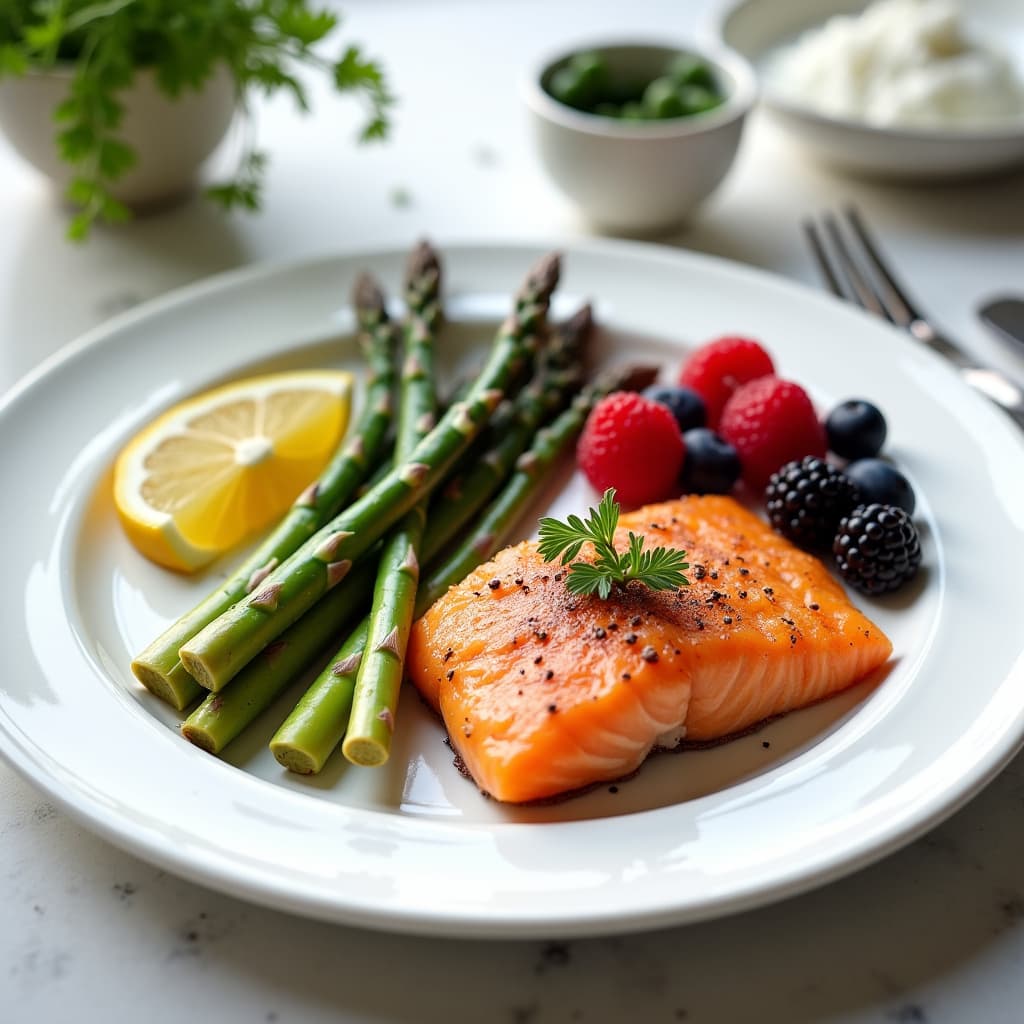
Dinner: Baked salmon with roasted sweet potato and steamed asparagus. Brown rice on the side.
Evening: Herbal tea (ginger or green tea).
Estimated sodium: approximately 1,500 mg. Potassium: approximately 3,200 mg. Omega-3s: approximately 2.5g. Fiber: approximately 32g.
Complementary Strategies
Diet works best alongside other lymphedema management tools:
- Compression: Garments or bandaging during the day
- Exercise: Walking, swimming, and gentle resistance training all improve lymphatic flow
- Manual lymphatic drainage: Professional massage technique
- Skin care: Preventing infections that worsen lymphedema
- Elevation: Raising the affected limb when resting
Tracking Your Progress with Inflamous
The Inflamous app tracks your daily Dietary Inflammatory Index score, giving you a clear picture of whether your eating pattern is pro-inflammatory or anti-inflammatory. For lymphedema patients, pairing DII tracking with daily limb measurements can reveal which dietary patterns correlate with better or worse days.
Over weeks, patterns emerge. Maybe high-sodium days correlate with morning tightness. Maybe omega-3 rich meals correlate with less heaviness the following day. Data turns guesswork into informed decisions.
FAQ
How quickly can dietary changes affect lymphedema swelling?
Sodium reduction often produces noticeable results within 3 to 7 days as excess fluid is excreted. Anti-inflammatory effects on tissue fibrosis and chronic swelling take longer, typically 6 to 12 weeks of consistent dietary change.
Should I take supplements for lymphedema?
The best-supported supplements are omega-3 fatty acids (2-3g daily), a bioflavonoid complex containing diosmin and hesperidin, and selenium (if deficient). Always discuss supplements with your doctor, especially if you are on blood thinners or cancer treatment.
Is the keto diet good for lymphedema?
Ketogenic diets can reduce inflammation and promote weight loss, both beneficial for lymphedema. However, keto diets are often high in saturated fat and can be low in fiber and potassium, which are important for lymphatic function. A modified approach that emphasizes healthy fats (fish, olive oil, avocado) over saturated fats, while maintaining adequate fiber, would be more appropriate.
Can certain foods trigger lymphedema flares?
Common reported triggers include high-sodium meals, alcohol, and heavily processed foods. Some individuals also report sensitivity to dairy, gluten, or specific food additives. Keeping a food and symptom diary (or using the Inflamous app) helps identify your personal triggers.
Does drinking more water help or hurt lymphedema?
It helps. Adequate hydration supports kidney function, sodium excretion, and lymphatic flow. Restricting water intake causes the body to retain more fluid, worsening swelling. Aim for consistent intake throughout the day.
The Bottom Line
Lymphedema management goes beyond compression and massage. What you eat directly affects the inflammation and fluid dynamics that drive swelling. An anti-inflammatory diet low in sodium and rich in omega-3s, potassium, bioflavonoids, and fiber can measurably reduce limb volume, slow tissue fibrosis, and improve daily comfort.
The changes do not need to be dramatic. Cooking at home more often, choosing whole foods over packaged ones, eating fish twice a week, and seasoning with herbs instead of salt represents a meaningful shift for most people. Consistency over time matters far more than any single perfect meal.
Download the Inflamous app to start tracking how your diet affects your lymphedema symptoms.