The short answer
An anti-inflammatory diet for lupus centers on foods that lower systemic inflammation: fatty fish, leafy greens, berries, olive oil, and legumes. It cuts foods that drive immune activation: processed meats, refined carbohydrates, added sugar, and seed oils high in omega-6. This alone will not put lupus into remission, but the evidence is solid that what you eat influences the inflammatory environment your immune system operates in.
Lupus (systemic lupus erythematosus, or SLE) is an autoimmune condition where the immune system attacks healthy tissue. The result is chronic inflammation that can affect joints, skin, kidneys, the brain, and other organs. Managing that inflammatory load from every available angle, including diet, matters.
This guide covers exactly what to eat, what to avoid, and how to build a practical daily routine that works alongside your medical treatment.
Why food affects lupus inflammation
Your immune system does not operate in a vacuum. The food you eat directly influences the cytokines your body produces, the ratio of pro- to anti-inflammatory signaling molecules, and the health of your gut microbiome, which plays a major role in immune regulation.
The Dietary Inflammatory Index (DII) is a scoring system developed by researchers at the University of South Carolina that quantifies how pro- or anti-inflammatory a person's overall diet is. People with lupus who score higher (more pro-inflammatory diets) tend to have higher disease activity scores and more frequent flares. You can learn more about how the DII works in our science explainer on the Dietary Inflammatory Index.
Two key mechanisms are especially relevant for lupus:
Omega-6 to omega-3 ratio. Modern Western diets run at roughly 15:1 omega-6 to omega-3. That ratio promotes prostaglandins and cytokines that amplify inflammation. A ratio closer to 4:1 or lower has consistently been associated with reduced inflammatory activity. Shifting the balance means eating more fatty fish, fewer seed oils, and adding walnuts or flaxseed.
Gut permeability and the microbiome. Research into the gut-immune axis has shown that people with lupus have distinct gut microbiome patterns compared to healthy controls, often with lower diversity and higher populations of pro-inflammatory bacteria. High-fiber, polyphenol-rich diets support a healthier microbiome, which in turn supports better immune regulation.
The 7 best foods for lupus inflammation
1. Fatty fish (salmon, sardines, mackerel)
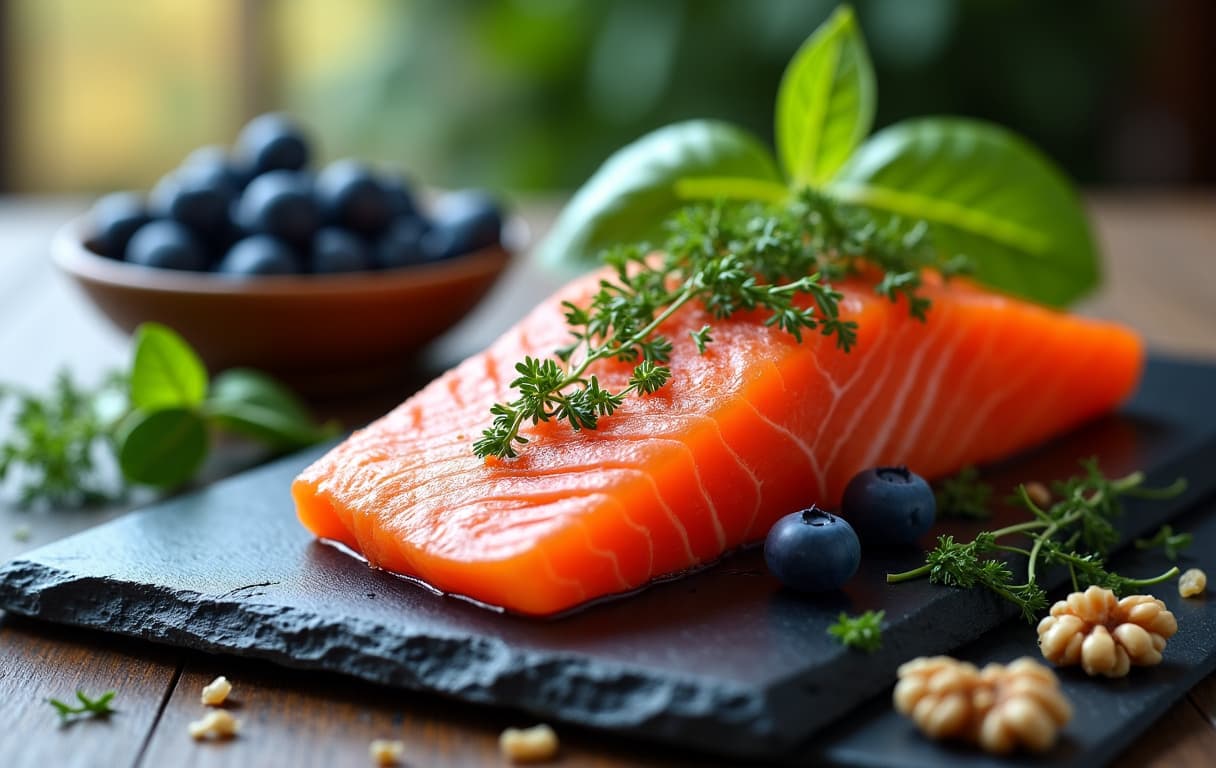
Salmon is among the highest-scoring foods for anti-inflammatory potential. The EPA and DHA in fatty fish directly inhibit the production of inflammatory cytokines like IL-6 and TNF-alpha. Aim for 2 to 3 servings per week minimum. Wild-caught salmon or sardines packed in olive oil are practical and affordable options. See how salmon scores on the inflammation index.
2. Leafy greens (spinach, kale, Swiss chard)
Dark leafy greens are dense in magnesium, folate, and vitamin K, all of which support anti-inflammatory pathways. Magnesium deficiency, which is common in people with autoimmune conditions, is associated with elevated CRP. A daily portion of cooked or raw leafy greens is one of the easiest high-impact dietary habits. Check the inflammation scores for leafy greens.
3. Blueberries and other berries
Berries are among the best dietary sources of anthocyanins, a class of polyphenols that suppress NF-kB signaling (one of the key inflammatory pathways involved in lupus). Studies have linked higher berry intake to lower CRP in people with autoimmune conditions. Fresh or frozen both work well.
4. Olive oil (extra virgin)
Extra virgin olive oil contains oleocanthal, a compound with COX-inhibiting properties similar to ibuprofen. It also contains oleic acid and squalene, which support anti-inflammatory gene expression. Using EVOO as your primary cooking fat is a straightforward change with compounding benefits.
5. Turmeric and curcumin
Curcumin, the active compound in turmeric, has shown significant anti-inflammatory and immunomodulatory effects in multiple lupus-related studies. It inhibits NF-kB, reduces anti-dsDNA antibody levels, and protects against lupus nephritis in animal models. Human trials are still limited, but the signal is promising. Combine with black pepper (piperine) to increase absorption. See our deep dive on turmeric and anti-inflammatory compounds.
6. Legumes (lentils, chickpeas, black beans)
Legumes are high in fiber, which feeds anti-inflammatory gut bacteria. They also provide plant-based protein without the pro-inflammatory compounds found in processed meats. People with lupus who are managing kidney function should discuss protein intake with their nephrologist, as individual needs vary.
7. Green tea
Epigallocatechin gallate (EGCG), the primary polyphenol in green tea, has been shown in several studies to reduce lupus-related autoantibody activity and inflammatory cytokine production. Replacing sweetened beverages with green tea is a double win: removing sugar while adding polyphenols.
Foods that tend to worsen lupus inflammation
Certain foods consistently appear as drivers of elevated inflammation. People with lupus often have heightened sensitivity to these:
Processed meats (hot dogs, deli meats, bacon): high in nitrates, saturated fat, and advanced glycation end products (AGEs), all of which promote oxidative stress and inflammatory cytokine release.
Refined sugar and sweetened beverages: sugar directly triggers TNF-alpha and IL-6 release. High-fructose corn syrup is particularly problematic due to its effects on uric acid and liver-generated inflammation.
Seed oils high in omega-6 (soybean oil, corn oil, canola oil): these are the primary dietary source of excess omega-6 in Western diets. Swapping to olive oil or avocado oil is one of the fastest ways to shift your omega ratio.
Alcohol: alcohol is a direct gut-permeability disruptor and promotes systemic inflammation. Even moderate drinking can elevate CRP. Many people with lupus find that eliminating alcohol is one of the most impactful single changes.
Alfalfa sprouts: this is lupus-specific. Alfalfa contains L-canavanine, an amino acid that can stimulate the immune system and has been associated with lupus flare induction in case reports.
For a full list of pro-inflammatory foods to reduce, see 15 inflammatory foods to cut from your diet.
A practical daily eating pattern for lupus
You do not need a rigid meal plan. You need a repeatable pattern that keeps your DII score negative (anti-inflammatory) on most days.
Breakfast: Oatmeal with blueberries, ground flaxseed, and walnuts. Or Greek yogurt with berries and a handful of pumpkin seeds. See more options in anti-inflammatory breakfast ideas.
Lunch: Large salad with spinach, chickpeas, cucumber, olive oil, and lemon. Or a grain bowl with quinoa, roasted vegetables, and tahini dressing.
Dinner: Baked salmon or sardines with roasted sweet potato and steamed broccoli. Or a lentil and vegetable soup cooked in olive oil with turmeric and ginger.
Snacks: Handful of walnuts, fresh fruit, hummus with raw vegetables, or green tea.
This pattern hits most of the key anti-inflammatory targets: omega-3 fats, polyphenols, high fiber, and low glycemic load.
What the research actually says
A 2021 systematic review published in Nutrients analyzed 14 studies on dietary interventions in lupus patients and found that adherence to Mediterranean-style and anti-inflammatory dietary patterns was associated with lower SLEDAI scores (a measure of lupus disease activity) and reduced inflammatory biomarkers including CRP and IL-6.
A separate study published in Arthritis Research and Therapy found that fish oil supplementation at doses of 3g EPA+DHA per day for 12 weeks significantly reduced disease activity in SLE patients compared to placebo.
Curcumin supplementation at 500mg daily for 3 months was shown in a randomized controlled trial published in Phytotherapy Research to reduce urinary protein levels in lupus nephritis patients, suggesting a protective effect on kidney tissue.
These are not miracle cures. They are supportive interventions that work best when combined with prescribed medical treatment.
Tracking inflammation with food
The challenge with lupus is that inflammatory patterns are highly individual. A food that triggers a response in one person may be fine for another. This is why tracking matters.
The Inflamous app scores your meals in real time based on the Dietary Inflammatory Index, letting you see exactly how your daily food choices are affecting your cumulative inflammation load. Over time, you can identify personal trigger patterns and make targeted changes rather than guessing.
Download the Inflamous app to start tracking your anti-inflammatory eating and reduce your DII score one meal at a time.
Quick-start: 3 changes to make this week
- Swap your cooking oil from vegetable/canola to extra virgin olive oil.
- Add one serving of fatty fish (salmon or sardines) to your weekly rotation.
- Replace a daily snack with a handful of walnuts or a cup of blueberries.
These three changes alone will meaningfully shift your omega-6 to omega-3 ratio, add significant polyphenol intake, and reduce your weekly pro-inflammatory food exposure. They are not glamorous, but they compound.
FAQs
Can an anti-inflammatory diet reduce lupus flares? Research shows diet can influence systemic inflammation levels, which may help reduce flare frequency for some people. It is not a replacement for medication but works as a supportive strategy alongside your rheumatologist's care plan.
What foods should people with lupus avoid? Foods that commonly increase inflammation include processed meats, refined sugar, vegetable oils high in omega-6 (soybean, corn), ultra-processed snacks, and alcohol. Some people with lupus also react to alfalfa sprouts due to L-canavanine content.
Is the Mediterranean diet good for lupus? Yes. The Mediterranean diet pattern closely mirrors an anti-inflammatory eating approach and has been associated with lower CRP and improved quality of life scores in people with autoimmune conditions including lupus. See our comparison of Mediterranean vs anti-inflammatory diet.
How long before dietary changes affect lupus symptoms? Most people notice changes in energy and general inflammation markers within 4 to 8 weeks of consistent dietary changes. Tracking your food and symptoms in an app helps identify personal patterns faster.
Do omega-3 supplements help with lupus? Several studies have found omega-3 supplementation (EPA and DHA from fish oil) can reduce lupus disease activity scores and lower inflammatory cytokine levels. Discuss dosage with your doctor before starting.
This article is for informational purposes only and does not constitute medical advice. Lupus requires professional medical management. Always consult your rheumatologist before making significant dietary changes.