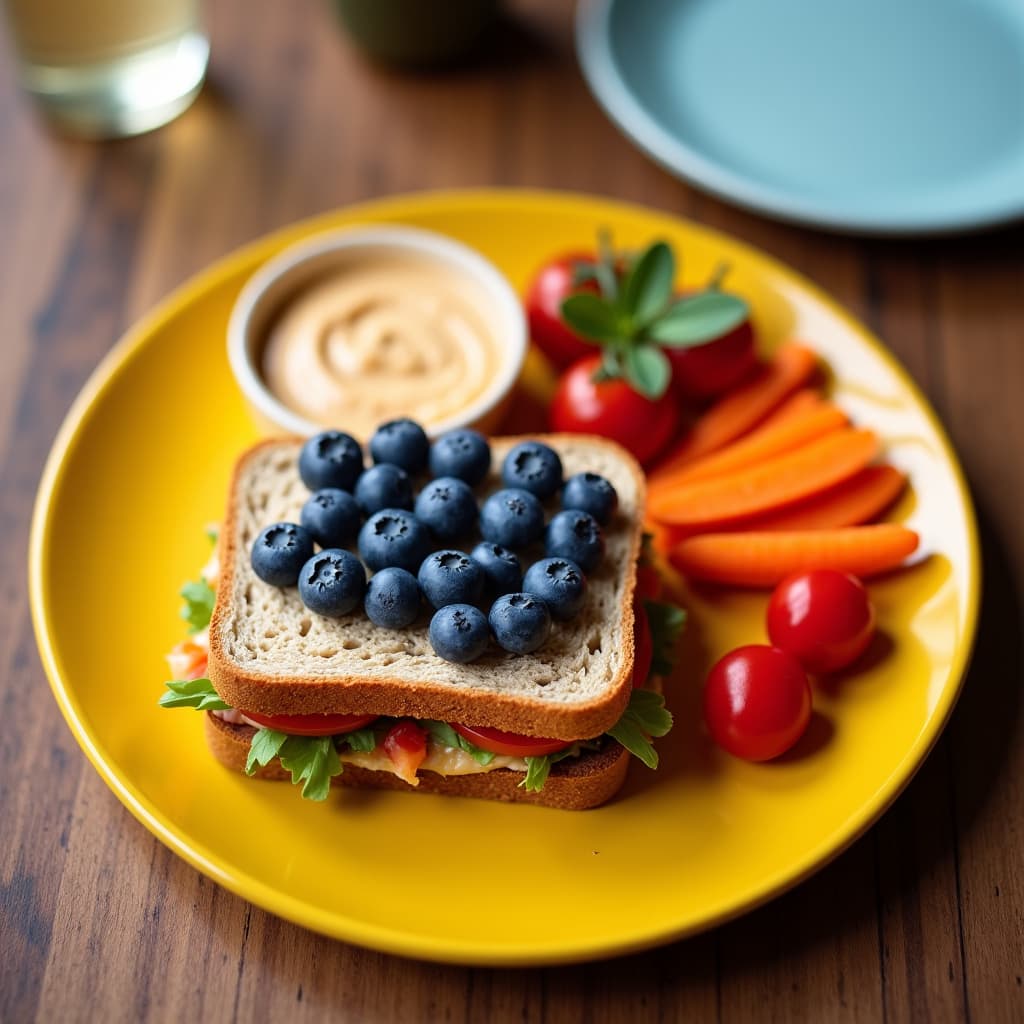
Getting kids to eat well is hard enough. Getting them to eat anti-inflammatory foods sounds like a whole different level of parenting challenge. But it doesn't have to be. An anti-inflammatory diet for kids follows the same basic principles as one for adults, just with a few tweaks for growing bodies and picky palates.
The payoff is real. Childhood inflammation is linked to asthma flares, eczema outbreaks, frequent colds, poor focus, and even mood swings. Shifting what your child eats toward whole, nutrient-dense foods and away from processed junk can make a measurable difference in how they feel day to day.
Here is how to make it work without turning every meal into a battle.
Why Inflammation Matters in Children
Kids are not just small adults. Their immune systems are still developing, which makes them both more resilient and more reactive to dietary triggers.
A 2022 study in Pediatric Allergy and Immunology found that children consuming diets high in ultra-processed foods had significantly elevated markers of systemic inflammation, including C-reactive protein (CRP) and interleukin-6 (IL-6). These are not obscure lab values. CRP is the same marker doctors check when screening for cardiovascular risk in adults.
Chronic low-grade inflammation in childhood has been associated with:
- Asthma and allergies: Inflammatory cytokines drive airway hyperreactivity
- Eczema and skin conditions: Gut-skin axis inflammation worsens flares
- Behavioral issues: Neuroinflammation affects attention and mood regulation
- Frequent illness: An overstimulated immune system paradoxically weakens infection response
- Weight gain: Inflammation disrupts insulin signaling and appetite hormones
The Dietary Inflammatory Index (DII), originally developed for adult populations, has been adapted for pediatric research. A 2023 review in Nutrients found that children with pro-inflammatory diets (high DII scores) had higher rates of obesity, metabolic dysfunction, and respiratory illness compared to peers eating anti-inflammatory diets.
What an Anti-Inflammatory Diet for Kids Actually Looks Like
Forget the meal plans that read like a wellness influencer's Instagram. Kids need practical, familiar foods that happen to be anti-inflammatory. The goal is not perfection. It is shifting the overall pattern.
Foods to Prioritize
Fruits (aim for 2-3 servings daily) Berries are the heavy hitters. Blueberries, strawberries, and raspberries are loaded with anthocyanins, which are potent anti-inflammatory compounds. Most kids will eat them without complaint, especially frozen ones blended into smoothies.
Other winners: oranges, kiwi, watermelon, mango, and bananas. All score well on the DII scale and provide vitamin C, which supports immune function.
Vegetables (aim for 3-4 servings daily) This is where it gets tricky with kids. Start with what they will actually eat: carrots, sweet potatoes, corn, peas, cucumber, and cherry tomatoes. These are all mildly anti-inflammatory and familiar enough to avoid rejection.
Gradually introduce leafy greens through smoothies, pasta sauces, and soups. Spinach blended into a fruit smoothie is virtually undetectable. Broccoli roasted with a little olive oil and parmesan becomes a completely different food than steamed broccoli.
Healthy fats Olive oil, avocado, nuts (age-appropriate), and seeds. Omega-3 fatty acids from salmon, sardines, and walnuts are some of the most powerful anti-inflammatory compounds in food.
If your child will not eat fish, consider omega-3 supplementation. A 2021 meta-analysis in The Journal of Pediatrics found that omega-3 supplementation reduced inflammatory markers and improved asthma control in children.
Whole grains Oatmeal, brown rice, whole wheat bread, and quinoa. These provide fiber that feeds beneficial gut bacteria, which in turn produce short-chain fatty acids that calm intestinal inflammation.
Lean proteins Chicken, turkey, eggs, beans, and lentils. Legumes are particularly valuable because they combine protein with fiber and polyphenols.
Foods to Minimize
Ultra-processed foods This is the big one. Chicken nuggets, flavored yogurt tubes, fruit snacks, sugary cereals, and fast food. A 2023 study in The BMJ linked ultra-processed food consumption in children to increased inflammatory markers, higher BMI, and poorer metabolic health.
You do not need to eliminate these entirely. That is not realistic for most families. But reducing frequency from daily to a few times per week makes a measurable difference.
Added sugars The American Heart Association recommends children ages 2-18 consume fewer than 25 grams of added sugar daily. Most American kids consume two to three times that amount. Sugar triggers inflammatory pathways through advanced glycation end products (AGEs) and insulin spikes.
Refined seed oils Soybean oil, corn oil, and vegetable oil blends are high in omega-6 fatty acids, which promote inflammation when consumed in excess. These are found in most packaged snacks, fast food, and restaurant meals. Cooking with olive oil or avocado oil at home shifts the ratio in the right direction.
Artificial additives Food dyes (especially Red 40 and Yellow 5), artificial sweeteners, and certain preservatives have been linked to inflammatory responses and behavioral changes in sensitive children.
Practical Strategies That Actually Work
The 80/20 Approach
Aim for anti-inflammatory choices 80% of the time. Birthday parties, school events, and grandma's house happen. A child who eats well most of the time can handle occasional treats without triggering a cascade of inflammation.
The Smoothie Hack
Smoothies are the single best tool for getting anti-inflammatory foods into kids. A basic template:
- 1 cup frozen berries (anthocyanins)
- 1 handful spinach (barely noticeable)
- 1 tablespoon nut butter or ground flaxseed (omega-3s)
- 1/2 banana (natural sweetness)
- Milk of choice
This delivers a concentrated dose of anti-inflammatory compounds in a format most kids find appealing.
Swap, Don't Eliminate
Instead of taking away favorites, upgrade them:
- White pasta becomes whole wheat or chickpea pasta
- Fruit snacks become frozen grapes or dried mango
- Sugary cereal becomes oatmeal with berries and honey
- Chicken nuggets become baked chicken tenders with almond flour
- Juice boxes become water with fruit slices
- Ranch dressing becomes hummus for dipping
Involve Kids in Cooking
Research published in Public Health Nutrition (2022) found that children who participated in meal preparation were significantly more likely to eat vegetables and try new foods. Let them wash berries, stir oatmeal, or choose between two vegetables at the grocery store.
The Gut-Brain Connection in Children
About 70% of the immune system resides in the gut. In children, the gut microbiome is still maturing, which means dietary choices have an outsized impact on immune development and inflammation levels.
Probiotic-rich foods like yogurt (plain, not flavored), kefir, and mild fermented vegetables support microbial diversity. Prebiotic foods like bananas, oats, and garlic feed beneficial bacteria.
A 2023 study in Gut Microbes found that children with diverse gut microbiomes had lower markers of systemic inflammation and fewer allergic conditions. Diet was the single strongest predictor of microbiome diversity, outweighing genetics, antibiotic exposure, and birth method.
Special Considerations
Picky Eaters
Do not force it. Pressure around food creates negative associations that last years. Instead, offer anti-inflammatory options consistently and without comment. Research shows it takes 10-15 exposures to a new food before a child may accept it.
Food Allergies
Some anti-inflammatory staples (tree nuts, fish, eggs) are common allergens. Work with your pediatrician or allergist to find safe substitutes. Seed butters (sunflower, pumpkin) can replace nut butters. Flaxseed and chia provide omega-3s without fish exposure.
Kids with Chronic Conditions
If your child has asthma, eczema, juvenile arthritis, or another inflammatory condition, dietary changes should complement medical treatment, not replace it. An anti-inflammatory diet is a supportive strategy, not a cure.
Tracking What Works with Inflamous
Every child responds differently to foods. What triggers one kid's eczema might be perfectly fine for another. The Inflamous app helps you track which foods correlate with symptom changes over time.
Log meals, note symptoms, and the app uses the Dietary Inflammatory Index to score your child's overall dietary pattern. Over weeks, you will start seeing clear patterns between what they eat and how they feel.
FAQ
At what age can kids start an anti-inflammatory diet?
The principles apply from the time children start eating solid foods, usually around 6 months. Focus on whole foods, healthy fats, and minimizing processed items. For children under 2, avoid added sugars entirely per AAP guidelines.
Will my child get enough calories on an anti-inflammatory diet?
Yes. Anti-inflammatory eating is about food quality, not restriction. Healthy fats from avocado, nut butters, and olive oil are calorie-dense. Whole grains, proteins, and fruits provide plenty of energy for growing bodies.
How quickly will I see results?
Dietary changes in children often show effects within 2 to 4 weeks for skin conditions and digestive issues. Respiratory improvements may take 6 to 8 weeks. Behavioral and focus changes are harder to measure but parents commonly report improvements within a month.
Can an anti-inflammatory diet help with ADHD symptoms?
Research is ongoing, but several studies have found associations between pro-inflammatory diets and ADHD symptom severity. A 2022 study in European Child and Adolescent Psychiatry found that children with higher DII scores had more severe attention and hyperactivity symptoms. Dietary improvements may complement, but should not replace, established ADHD treatments.
Is organic food necessary for an anti-inflammatory diet?
Not required. The anti-inflammatory benefits come from the types of foods eaten, not whether they are organic. If budget allows, prioritize organic for the "Dirty Dozen" produce items that tend to carry more pesticide residue. Otherwise, conventional produce washed well is far better than no produce at all.
The Bottom Line
An anti-inflammatory diet for kids is not about restriction or perfection. It is about gradually shifting the balance toward whole foods, healthy fats, and colorful produce while reducing the ultra-processed foods that drive inflammation. Start with one or two swaps, build from there, and focus on the overall pattern rather than any single meal.
The earlier these habits form, the stronger the foundation for lifelong health. And with tools like the Inflamous app, you can track exactly which changes are making a difference for your child.
Download the Inflamous app to start tracking your family's inflammation scores today.