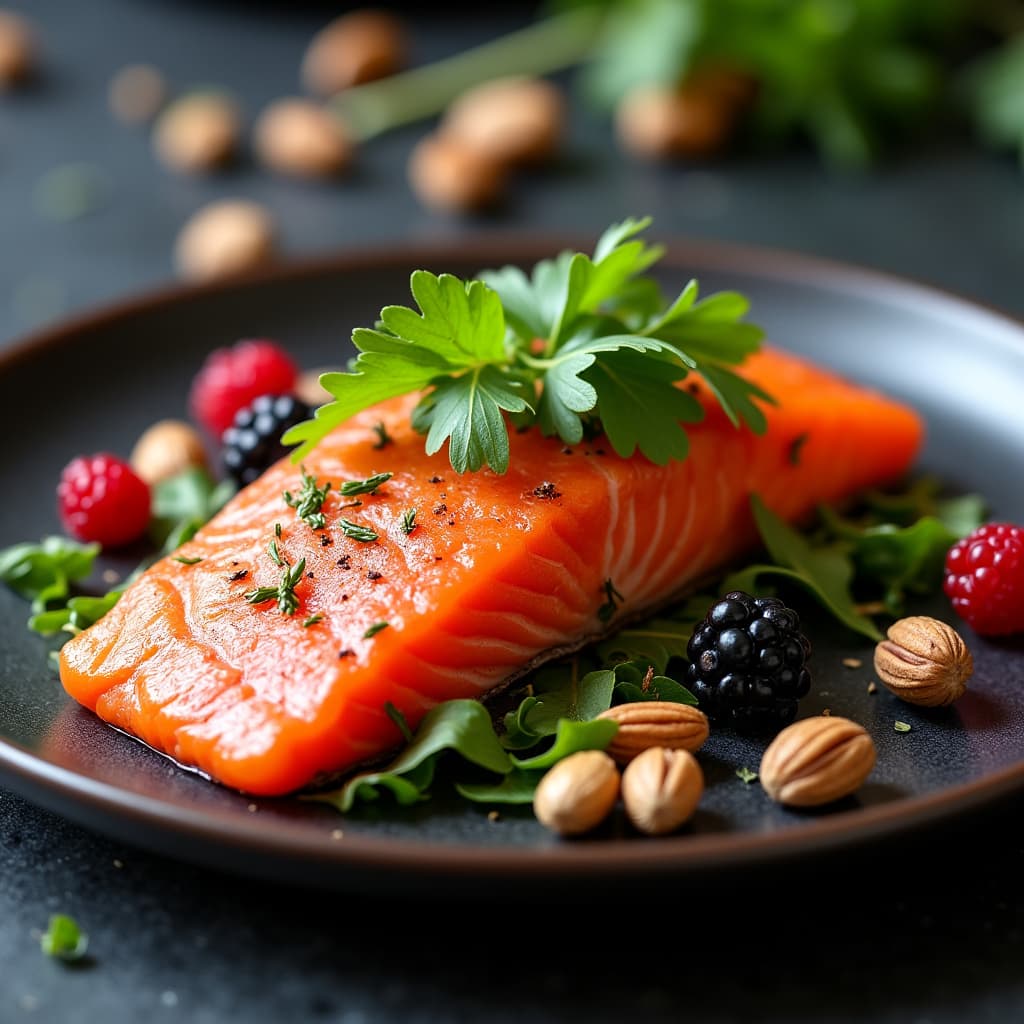
Hashimoto's thyroiditis is the most common autoimmune disease in the United States, affecting roughly 14 million people. It is also one of the conditions most responsive to dietary changes. The reason is straightforward: Hashimoto's is driven by chronic inflammation that attacks the thyroid gland, and what you eat directly influences the intensity of that inflammatory response.
Levothyroxine manages the hormone deficiency. But it does nothing to address the underlying autoimmune attack. An anti-inflammatory diet for Hashimoto's works alongside medication by calming the immune system, supporting gut health, and reducing the triggers that accelerate thyroid tissue destruction.
How Inflammation Drives Hashimoto's
In Hashimoto's, the immune system produces antibodies (TPO-Ab and TG-Ab) that attack thyroid peroxidase and thyroglobulin, two proteins essential for thyroid hormone production. This is not a one-time event. It is an ongoing process fueled by chronic systemic inflammation.
A 2022 study in Thyroid Research measured inflammatory cytokines in Hashimoto's patients and found consistently elevated levels of interleukin-6 (IL-6), TNF-alpha, and interferon-gamma compared to healthy controls. These same cytokines are the ones most influenced by dietary patterns.
The Dietary Inflammatory Index (DII) has been directly studied in thyroid autoimmunity. A 2023 cross-sectional analysis published in Frontiers in Nutrition found that participants with pro-inflammatory diets (high DII scores) had significantly higher thyroid antibody levels and more advanced thyroid damage on ultrasound than those eating anti-inflammatory diets.
Translation: what you eat can either accelerate or slow down the rate at which your immune system destroys your thyroid.
The Gut-Thyroid Connection
About 70% of the immune system resides in the gut. In Hashimoto's, this matters because intestinal permeability (sometimes called "leaky gut") has been repeatedly linked to autoimmune thyroid disease.
A 2021 study in The Journal of Clinical Endocrinology and Metabolism found that Hashimoto's patients had significantly altered gut microbiome compositions compared to healthy controls, with reduced microbial diversity and increased populations of pro-inflammatory bacteria.
When the intestinal barrier is compromised, partially digested food proteins and bacterial toxins enter the bloodstream. The immune system mounts a response, and in genetically susceptible individuals, this cross-reactivity can target the thyroid through a process called molecular mimicry.
Dietary interventions that restore gut barrier integrity and support microbial diversity can reduce this cascade. This is why an anti-inflammatory diet for Hashimoto's is not just about avoiding "bad" foods. It is about rebuilding the ecosystem that keeps the immune system properly calibrated.
Foods That Support Thyroid Health
Selenium-Rich Foods
Selenium is the single most studied nutrient for Hashimoto's. The thyroid contains more selenium per gram of tissue than any other organ in the body. Selenium is required for converting T4 to active T3 and for protecting thyroid cells from oxidative damage during hormone production.
A 2023 meta-analysis in Autoimmunity Reviews found that selenium supplementation (200 mcg/day) reduced TPO antibody levels by an average of 21% over 12 months. But getting selenium from food is preferred when possible.
Best sources:
- Brazil nuts (1-2 per day provides the daily requirement)
- Salmon and sardines
- Turkey and chicken
- Eggs
- Sunflower seeds
Omega-3 Fatty Acids
Omega-3s are direct anti-inflammatory agents. They inhibit the production of prostaglandins and leukotrienes that drive thyroid tissue destruction.
A 2022 randomized controlled trial in Nutrients found that Hashimoto's patients supplementing with 2g of omega-3s daily for 12 weeks had significant reductions in TPO antibodies, IL-6, and TNF-alpha compared to placebo.
Best sources:
- Fatty fish (salmon, mackerel, sardines, anchovies)
- Walnuts
- Flaxseed and chia seeds
- Olive oil (contains oleocanthal, a natural anti-inflammatory)
Zinc and Iron
Both minerals are commonly deficient in Hashimoto's patients, and both are required for proper thyroid hormone synthesis.
Zinc sources: pumpkin seeds, chickpeas, lentils, cashews Iron sources: spinach, lentils, quinoa, grass-fed beef (pair with vitamin C for absorption)
Antioxidant-Rich Produce
Colorful fruits and vegetables provide polyphenols that modulate immune function and reduce oxidative stress on the thyroid.
Prioritize: berries (especially blueberries), leafy greens, sweet potatoes, tomatoes, bell peppers, and cruciferous vegetables (more on these below).
Fermented Foods
Yogurt, kefir, sauerkraut, and kimchi introduce beneficial bacteria that support gut barrier function. A 2023 study in Beneficial Microbes found that 8 weeks of daily probiotic-rich food consumption improved gut microbiome diversity and reduced inflammatory markers in autoimmune thyroid patients.
Foods to Limit or Avoid
Gluten
This is the most debated dietary recommendation for Hashimoto's, and the evidence is surprisingly strong. The gliadin protein in gluten has a molecular structure similar to thyroid tissue. In individuals with intestinal permeability, undigested gliadin fragments can trigger immune responses that cross-react with the thyroid.
A 2019 study in Experimental and Clinical Endocrinology and Diabetes found that Hashimoto's patients who followed a gluten-free diet for 6 months had a 46% reduction in TPO antibodies, even without celiac disease. Not every Hashimoto's patient responds to gluten elimination, but the response rate is high enough that most functional medicine practitioners recommend a trial period.
Excess Iodine
This seems counterintuitive since iodine is essential for thyroid hormone production. But in Hashimoto's, excess iodine can accelerate thyroid destruction. The thyroid uses iodine to produce hydrogen peroxide during hormone synthesis, and in an already inflamed gland, excess peroxide causes further oxidative damage.
The recommended approach: get adequate iodine from food (fish, dairy, eggs) but avoid high-dose iodine supplements, kelp tablets, and iodine-rich seaweed in large quantities.
Soy in Large Amounts
Soy isoflavones can interfere with thyroid peroxidase, the same enzyme that Hashimoto's antibodies target. Moderate soy consumption (a serving of tofu or edamame a few times per week) is generally fine. Daily large-dose soy protein isolates and concentrated isoflavone supplements are worth avoiding.
Ultra-Processed Foods
Processed foods are pro-inflammatory across the board. For Hashimoto's specifically, the combination of refined seed oils, added sugars, emulsifiers, and artificial additives damages the gut barrier and promotes the intestinal permeability that drives autoimmune activation.
Excess Sugar and Refined Carbohydrates
High blood sugar spikes increase inflammatory cytokines and contribute to insulin resistance, which is already common in hypothyroid patients. Focusing on complex carbohydrates with lower glycemic loads reduces this burden.
The Cruciferous Vegetable Question
You have probably heard that broccoli, cauliflower, kale, and Brussels sprouts are bad for your thyroid. This is an oversimplification.
Raw cruciferous vegetables contain goitrogens that can interfere with iodine uptake in the thyroid. But cooking reduces goitrogen content by 50-80%. And the anti-inflammatory benefits of cruciferous vegetables (rich in sulforaphane, a potent NF-kB pathway inhibitor) generally outweigh the goitrogenic risk when consumed cooked and in reasonable amounts.
The practical rule: eat cruciferous vegetables cooked, not raw, and do not eat enormous quantities daily. A serving of roasted broccoli or steamed kale several times a week is fine for most Hashimoto's patients.
Building Your Hashimoto's Meal Framework
Breakfast options:
- Scrambled eggs with spinach and avocado (selenium, omega-3s, antioxidants)
- Overnight oats with berries, chia seeds, and a Brazil nut (selenium, fiber, anthocyanins)
- Smoothie with kefir, frozen berries, flaxseed, and collagen peptides
Lunch options:
- Salmon bowl with quinoa, roasted vegetables, and olive oil dressing
- Large salad with chicken, pumpkin seeds, and lemon-tahini dressing
- Lentil soup with turmeric and ginger
Dinner options:
- Baked salmon with roasted sweet potatoes and steamed broccoli
- Turkey stir-fry with mixed vegetables and brown rice
- Chicken and vegetable curry with coconut milk and turmeric
Snacks:
- 1-2 Brazil nuts with a small apple
- Hummus with carrot and cucumber sticks
- Small handful of walnuts with berries
Medication Timing and Diet
Levothyroxine absorption is affected by several foods and supplements. Standard guidance:
- Take medication on an empty stomach, 30-60 minutes before eating
- Coffee, calcium, and iron supplements can reduce absorption. Wait at least 4 hours after medication for calcium or iron.
- Fiber-rich meals can slow absorption if eaten too close to medication timing
- Consistency matters more than perfection. Take it the same way every day.
Tracking Your Inflammation with Inflamous
Hashimoto's responds to dietary changes gradually. You will not feel different after one meal. But over weeks and months, consistent anti-inflammatory eating can lower antibody levels, reduce fatigue, and improve the brain fog that plagues so many thyroid patients.
The Inflamous app tracks the Dietary Inflammatory Index score of your meals over time, showing you whether your overall eating pattern is moving in the right direction. Pair this with regular thyroid bloodwork (TSH, free T4, free T3, TPO-Ab) to see the connection between dietary inflammation and thyroid function.
FAQ
How long does it take for an anti-inflammatory diet to affect Hashimoto's antibodies?
Most studies show measurable antibody reductions after 3 to 6 months of consistent dietary change. Symptom improvements (energy, brain fog, mood) often appear sooner, within 4 to 8 weeks for many patients.
Should I go completely gluten-free with Hashimoto's?
A trial elimination of 8 to 12 weeks is worth trying. If symptoms improve and antibodies decrease on follow-up bloodwork, continuing is reasonable. Some patients see dramatic improvements while others notice minimal change. The only way to know is to test it.
Can diet alone manage Hashimoto's without medication?
In early stages with minimal thyroid damage and normal TSH, dietary and lifestyle interventions may slow progression. But once hypothyroidism develops, levothyroxine is necessary to replace the hormones your thyroid can no longer produce adequately. Diet supports medication but does not replace it.
Is intermittent fasting helpful for Hashimoto's?
Some preliminary research suggests time-restricted eating may reduce inflammatory markers in autoimmune conditions. However, fasting can also stress the thyroid axis, particularly in women. If you want to try intermittent fasting, start with a mild 12-hour overnight fast and monitor how you feel. Avoid extended fasts without medical guidance.
What supplements should I consider for Hashimoto's alongside diet?
The best-studied supplements are selenium (200 mcg/day), vitamin D (target blood level 40-60 ng/mL), omega-3 fatty acids (2g/day), and zinc (15-30 mg/day). Always discuss supplementation with your endocrinologist, as interactions with thyroid medication are possible.
The Bottom Line
Hashimoto's thyroiditis is an inflammatory autoimmune condition, and the food you eat directly influences the intensity of that inflammation. An anti-inflammatory diet built around selenium-rich foods, omega-3 fatty acids, colorful produce, and fermented foods, while minimizing gluten, excess iodine, and ultra-processed foods, can meaningfully reduce thyroid antibodies and improve symptoms alongside standard medication.
This is not about perfection or restriction. It is about consistent patterns that calm the immune system and give your thyroid a fighting chance.
Download the Inflamous app to start tracking how your diet affects your thyroid health.