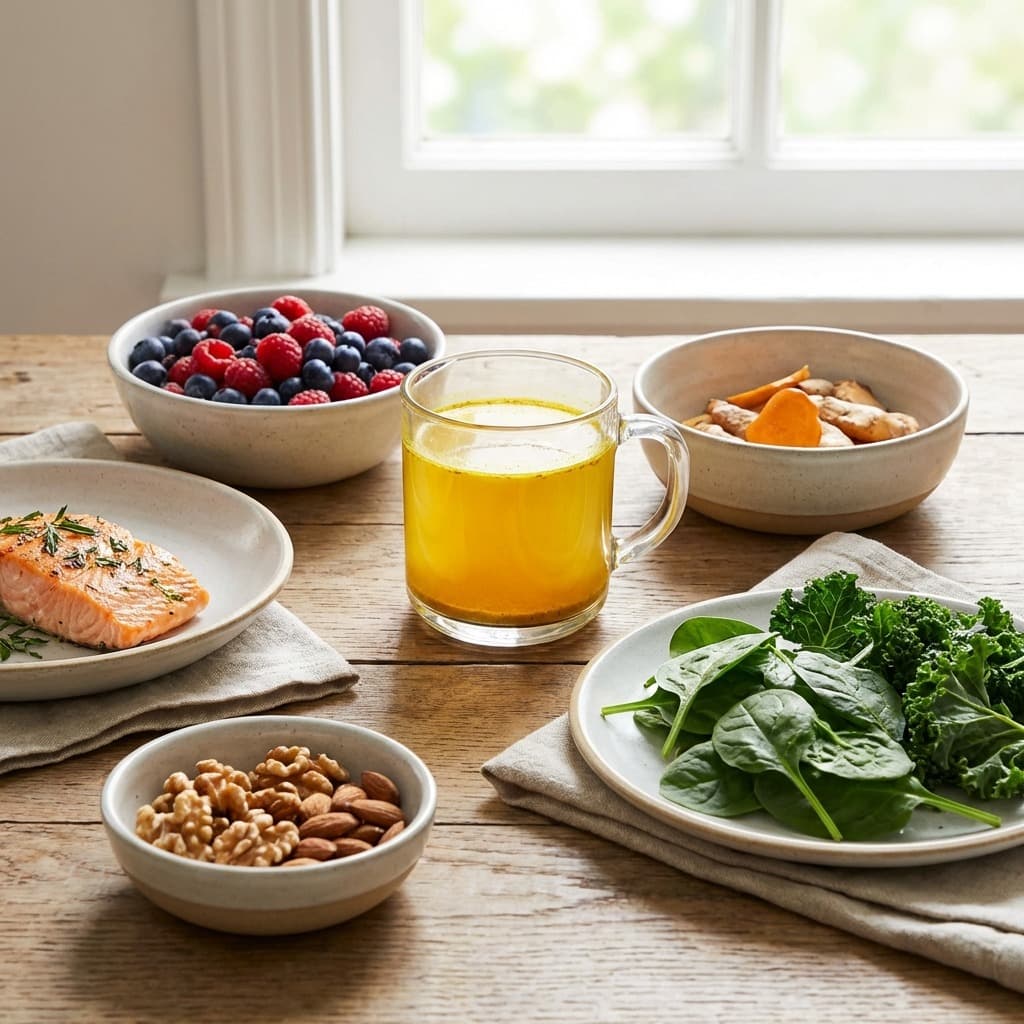
If you have fibromyalgia, you already know that diet affects how you feel. The wrong meal can trigger a flare. The right one can take the edge off. An anti-inflammatory diet for fibromyalgia works by reducing the chronic low-grade inflammation that amplifies pain signals, disrupts sleep, and drains your energy.
Here's exactly what the research supports, what to eat, what to cut, and how the Inflamous app can help you track which foods are working for your body.
Does Fibromyalgia Involve Inflammation?
For years, fibromyalgia was dismissed as a non-inflammatory condition because standard blood markers like CRP often come back normal. But recent research tells a more complex story.
A 2021 study published in Brain, Behavior, and Immunity found elevated levels of several pro-inflammatory cytokines in fibromyalgia patients, including interleukin-6 (IL-6), interleukin-8 (IL-8), and tumor necrosis factor-alpha (TNF-alpha). These cytokines are the same molecules that drive pain sensitization throughout the central nervous system.
The connection is called neuroinflammation. Even when peripheral blood tests look normal, localized inflammation in the brain and spinal cord can amplify how pain signals are processed. This is part of why fibromyalgia pain feels disproportionate to any visible tissue damage.
A 2024 review in PMC/PubMed Central confirmed that dietary interventions targeting inflammation showed measurable reductions in fibromyalgia pain scores, with Mediterranean-style and anti-inflammatory eating patterns showing the strongest results.
The Dietary Inflammatory Index and Fibromyalgia
The Dietary Inflammatory Index (DII) is a validated scoring system that rates foods and overall diets on a spectrum from pro-inflammatory to anti-inflammatory. Research has linked higher DII scores (more pro-inflammatory diets) to worse fibromyalgia outcomes.
A 2023 study in Nutrients found that fibromyalgia patients with the highest DII scores reported significantly more severe pain, fatigue, and cognitive symptoms compared to those eating lower-DII diets. Every unit increase in DII score correlated with worse functional outcomes.
This is exactly the science behind how Inflamous scores foods. By tracking your meals, you can see your daily DII impact and identify which specific foods are pushing you toward inflammation.
Anti-Inflammatory Foods That Help Fibromyalgia
Fatty Fish and Omega-3s
Salmon, mackerel, sardines, and anchovies are rich in EPA and DHA, omega-3 fatty acids that directly inhibit the production of inflammatory cytokines. A randomized trial found omega-3 supplementation reduced pain intensity in fibromyalgia patients after 8 weeks. Aim for 2-3 servings per week.
Extra Virgin Olive Oil
Olive oil contains oleocanthal, a compound with COX-1 and COX-2 inhibitory activity similar to ibuprofen. It also provides polyphenols that suppress NF-kB, the master regulator of inflammatory gene expression. Use it as your primary cooking fat and salad dressing base.
Colorful Vegetables and Berries
Deeply pigmented produce contains anthocyanins, quercetin, and other polyphenols that scavenge free radicals and reduce oxidative stress. Blueberries, spinach, kale, red cabbage, and beets are particularly potent. These foods score strongly on the DII.
Turmeric and Ginger
Curcumin (from turmeric) and gingerols (from ginger) have both been studied specifically for fibromyalgia-related inflammation. A 2022 pilot study found curcumin supplementation significantly reduced pain, fatigue, and morning stiffness in fibromyalgia patients over 12 weeks. Cook with both regularly, or try a golden milk latte.
Legumes and Whole Grains
Beans, lentils, chickpeas, and whole grains like oats and quinoa provide prebiotic fiber that feeds anti-inflammatory gut bacteria. The gut-brain axis plays a documented role in fibromyalgia, and improving gut microbiome diversity has been shown to reduce pain sensitivity.
Magnesium-Rich Foods
Magnesium deficiency is common in fibromyalgia and linked to worse pain and sleep. Dark leafy greens, pumpkin seeds, dark chocolate, and almonds are rich sources. Adequate magnesium helps regulate NMDA receptors involved in pain amplification.
Foods That Make Fibromyalgia Worse
Processed and Ultra-Processed Foods
Packaged snacks, fast food, deli meats, and anything with a long ingredient list tend to be high in refined carbohydrates, seed oils, and additives that drive inflammation. These are among the highest-DII foods you can eat.
Sugar and High-Fructose Corn Syrup
Excess sugar triggers glycation and raises inflammatory markers. Many fibromyalgia patients report clear correlations between sugar intake and flare severity. Soda, sweetened coffee drinks, pastries, and candy are the biggest culprits.
Gluten (for Some People)
Not everyone with fibromyalgia is sensitive to gluten, but a subset are. A 2014 study in Rheumatology International found that fibromyalgia patients who eliminated gluten experienced significant pain reduction even without a formal celiac diagnosis. If you haven't tried a gluten elimination trial, it's worth doing.
Excitotoxins: MSG and Aspartame
Monosodium glutamate (MSG) and aspartame are excitatory neurotransmitter precursors that may amplify central sensitization in fibromyalgia. A 2012 study in Clinical and Experimental Rheumatology found that eliminating these compounds from the diet significantly reduced fibromyalgia symptoms. Check labels on soups, seasonings, sauces, and diet products.
Alcohol
Alcohol disrupts sleep architecture, increases intestinal permeability (leaky gut), and raises inflammatory cytokines the following day. Poor sleep is already a core fibromyalgia symptom. Alcohol makes it dramatically worse.
Nightshades (for Some People)
Tomatoes, peppers, eggplant, and potatoes contain alkaloids that may aggravate inflammation in genetically susceptible individuals. The evidence is mixed and not specific to fibromyalgia, but some patients report meaningful improvement after a nightshade elimination trial.
The Gut-Fibromyalgia Connection
A growing body of research links gut dysbiosis, an imbalance in gut bacteria, to fibromyalgia severity. A landmark 2019 study in Pain used machine learning to analyze gut microbiome composition in fibromyalgia patients and found distinct microbial signatures correlating with pain scores.
The gut produces most of the body's serotonin, a neurotransmitter critical for pain regulation and sleep. When gut bacteria are disrupted by poor diet, serotonin production drops and pain sensitivity rises.
Anti-inflammatory eating directly improves gut health by:
- Feeding beneficial bacteria with prebiotic fiber (vegetables, legumes, oats)
- Reducing intestinal inflammation with polyphenols
- Crowding out harmful bacteria by reducing sugar and processed food
Read more about fiber and inflammation and fermented foods and inflammation to understand how your gut drives your symptoms.
A 7-Day Anti-Inflammatory Meal Plan for Fibromyalgia
Day 1
- Breakfast: Overnight oats with blueberries and walnuts
- Lunch: Salmon salad with spinach, avocado, olive oil, and lemon
- Dinner: Lentil soup with turmeric and ginger, whole grain bread
- Snack: Handful of almonds, green tea
Day 2
- Breakfast: Smoothie with kale, frozen berries, ground flaxseed, and almond milk
- Lunch: Chickpea and vegetable bowl with tahini dressing
- Dinner: Baked mackerel with roasted sweet potato and broccoli
- Snack: Apple slices with almond butter
Day 3
- Breakfast: Scrambled eggs with spinach and olive oil, sliced tomatoes (if tolerated)
- Lunch: Black bean tacos on corn tortillas with shredded cabbage and salsa
- Dinner: Anti-inflammatory chicken stir-fry with ginger, garlic, bok choy, and brown rice
- Snack: Celery with hummus
Day 4
- Breakfast: Greek yogurt (if dairy is tolerated) with honey and walnuts
- Lunch: Large mixed green salad with sardines, olives, cucumber, and olive oil
- Dinner: Vegetable curry with chickpeas, coconut milk, and turmeric, served with quinoa
- Snack: Dark chocolate (70%+), handful of Brazil nuts
Day 5
- Breakfast: Avocado on whole grain toast with hemp seeds
- Lunch: Turkey and vegetable wrap with arugula and olive oil
- Dinner: Baked salmon with asparagus and wild rice
- Snack: Mixed berries, chamomile tea
Day 6
- Breakfast: Chia pudding with mango and coconut
- Lunch: Lentil and roasted vegetable soup
- Dinner: Zucchini noodles with pesto, cherry tomatoes (if tolerated), and grilled chicken
- Snack: Pumpkin seeds, green tea
Day 7
- Breakfast: Veggie omelette with mushrooms, onion, and peppers
- Lunch: Mediterranean bowl with falafel, tabbouleh, and hummus
- Dinner: Baked cod with roasted root vegetables and olive oil
- Snack: Pear, herbal tea
Supplements Worth Considering
Beyond diet, several supplements have solid evidence for fibromyalgia:
- Omega-3s (EPA/DHA): 2-3g daily if fish consumption is low
- Magnesium glycinate: 300-400mg at night for sleep and muscle relaxation
- Vitamin D: Deficiency is common in fibromyalgia and linked to worse symptoms
- Curcumin with piperine: Improves absorption; 500-1000mg daily
- CoQ10: Mitochondrial dysfunction is documented in fibromyalgia; CoQ10 supports cellular energy
Always discuss supplements with your doctor or rheumatologist, especially if you take other medications.
How to Track Your Progress
Every body responds differently. What eliminates pain for one fibromyalgia patient may do nothing for another. The key is systematic tracking over at least 4-6 weeks.
The Inflamous app scores every food you eat on the DII scale so you can see your daily inflammation score and spot patterns. You might notice your pain spikes every time your score crosses a certain threshold, or that certain foods consistently precede a flare.
Download the Inflamous app to start tracking your inflammation score today.
Frequently Asked Questions
How long before an anti-inflammatory diet helps fibromyalgia symptoms?
Most people notice some difference in energy and sleep within 2-3 weeks. Pain reductions tend to take longer, typically 6-12 weeks of consistent eating. The gut microbiome takes about 3-4 weeks to shift meaningfully, and that shift drives much of the long-term benefit.
Is a gluten-free diet better for fibromyalgia?
Not for everyone. But non-celiac gluten sensitivity is real and overlaps with fibromyalgia in a meaningful subset of patients. A 4-week strict elimination trial followed by a systematic reintroduction is the only reliable way to know whether gluten is a trigger for you.
Should I avoid nightshades if I have fibromyalgia?
The nightshade-inflammation link is debated. If you've tried other dietary changes without relief, a 30-day nightshade elimination is a reasonable experiment. Track your symptoms carefully and reintroduce one at a time to identify any specific triggers.
Can diet replace my fibromyalgia medications?
No. Diet is a powerful complement to medical treatment, not a replacement. An anti-inflammatory diet can meaningfully reduce symptom burden and potentially allow for lower medication doses over time, but that's a conversation to have with your doctor, not a unilateral decision.
What's the single most important dietary change for fibromyalgia?
Eliminating ultra-processed foods and added sugar has the highest impact for the lowest effort. These foods drive neuroinflammation, disrupt gut bacteria, and worsen sleep, three core fibromyalgia pathways. Start there before optimizing anything else.
Looking for the complete list of anti-inflammatory foods and their DII scores? See The Complete List of Anti-Inflammatory Foods. For the science behind the DII scoring system, visit our Science page.