Fatty liver disease is now the most common liver condition in the world, affecting roughly 1 in 4 adults globally. The medical name recently changed from NAFLD (non-alcoholic fatty liver disease) to MASLD (metabolic dysfunction-associated steatotic liver disease), but the core problem is the same: excess fat accumulates in liver cells, triggering a cycle of inflammation that can progress from simple steatosis all the way to cirrhosis.
The liver is one of the most regenerative organs in the human body. With the right dietary changes, you can reduce liver fat, lower inflammatory markers, and in many cases reverse early-stage fatty liver entirely. This guide breaks down exactly what to eat, what to cut, and why it works.
Why Inflammation Is Central to Fatty Liver Disease
Fatty liver does not just happen because fat is stored. It happens because stored fat triggers an inflammatory cascade. Excess liver fat activates Kupffer cells (the liver's resident immune cells), which release pro-inflammatory cytokines including TNF-alpha, IL-6, and IL-1beta. These cytokines damage hepatocytes, promote fibrosis (scarring), and eventually impair liver function.
An anti-inflammatory approach works at the mechanistic level. You are not just reducing calories; you are directly targeting the inflammatory pathways that drive disease progression.
The Best Foods for Fatty Liver
Extra Virgin Olive Oil
Extra virgin olive oil has arguably the strongest evidence base of any single food for fatty liver. A randomized controlled trial published in Nutrients found that NAFLD patients who consumed olive oil daily showed significant reductions in liver fat, ALT levels, and inflammatory markers compared to controls.
The mechanism involves oleocanthal (anti-inflammatory, similar to ibuprofen), polyphenols that protect hepatocytes from oxidative stress, and oleic acid that improves insulin sensitivity. Use it as your primary cooking fat and in salad dressings.
Fatty Fish (Salmon, Sardines, Mackerel)
Omega-3 fatty acids, specifically EPA and DHA, directly reduce hepatic lipogenesis (fat production in the liver) and increase fat oxidation. A 2022 meta-analysis in Clinical Nutrition found that omega-3 supplementation significantly reduced liver fat content, AST, ALT, and triglycerides in NAFLD patients.
Aim for 2-3 servings of fatty fish per week. Wild-caught salmon, sardines, and mackerel are the best sources. If you do not eat fish, a high-quality fish oil supplement (2-3g EPA+DHA daily) provides similar benefits.
Coffee (Black, Unsweetened)
Coffee is one of the most studied hepatoprotective substances. The evidence is consistent across dozens of studies: 2-3 cups of regular black coffee daily is associated with lower liver enzymes, reduced fibrosis scores, and protection against NAFLD progression. The polyphenols in coffee, particularly chlorogenic acid, reduce hepatic inflammation and oxidative stress.
Leafy Greens and Cruciferous Vegetables
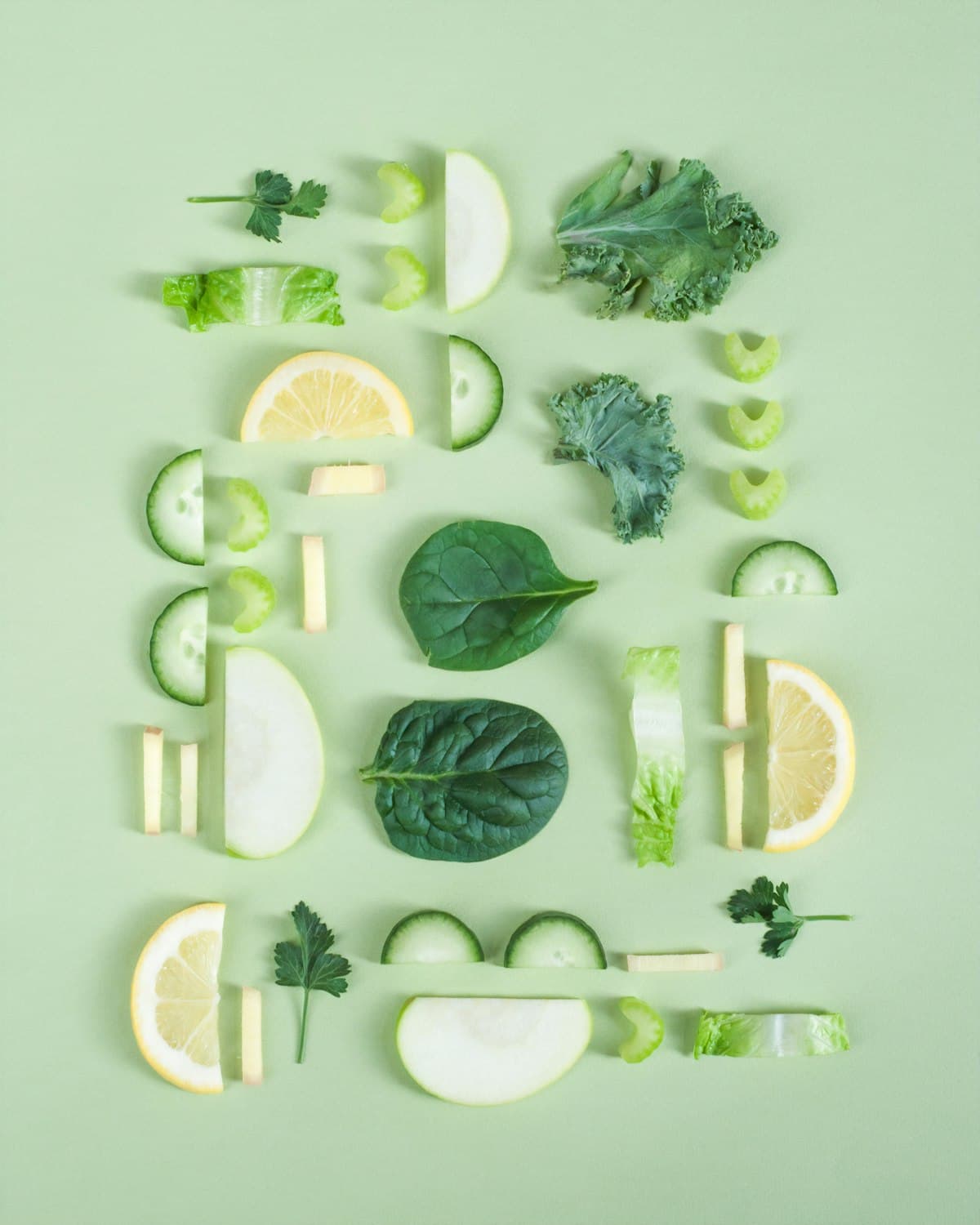
Broccoli, Brussels sprouts, kale, and spinach contain sulforaphane and glucosinolates, compounds that activate Nrf2, the body's master antioxidant pathway. Research shows sulforaphane reduces hepatic fat accumulation and down-regulates inflammatory gene expression in liver cells.
Walnuts and Tree Nuts
Walnuts contain omega-3 ALA, polyphenols, and vitamin E. A 2019 study in the Journal of Hepatology found that regular walnut consumption was associated with significantly lower rates of NAFLD in a population of over 40,000 adults. A daily handful (about 30g) is sufficient to get the benefit.
Garlic
A 2016 randomized controlled trial found that garlic supplementation significantly reduced body weight and liver fat in NAFLD patients compared to placebo. Garlic's sulfur compounds reduce oxidative stress and have direct anti-inflammatory properties in hepatocytes. Fresh garlic in sauteed vegetables, dressings, and soups is best.
Oats and High-Fiber Whole Grains
Soluble fiber (especially beta-glucan from oats) slows glucose absorption, reduces postprandial insulin spikes, and feeds beneficial gut bacteria that produce short-chain fatty acids (SCFAs). SCFAs, especially butyrate, have direct anti-inflammatory effects on the liver via the gut-liver axis. Increased dietary fiber also improves gut barrier integrity, reducing translocation of bacterial endotoxins (LPS) into portal circulation. LPS is a potent activator of hepatic inflammation. See fiber and the gut connection for more.
Avocados
Avocados contain avocatin B, which research showed inhibits reactive oxygen species (ROS) production in liver cells. They are also rich in monounsaturated fat, potassium, and vitamin E, making them one of the best all-around foods for liver health.
Foods That Directly Damage the Liver
Added Sugars and High-Fructose Corn Syrup
This is the single most important category to address. Fructose is metabolized almost exclusively in the liver and directly stimulates de novo lipogenesis (liver fat production). Even moderate fructose intake from sweetened beverages, candy, pastries, and processed foods can measurably increase liver fat within weeks.
Cutting added sugar is often more effective at reducing liver fat than restricting total calories. Practical targets: eliminate all sugar-sweetened beverages (soda, fruit juice, energy drinks, sweetened tea), remove added sugars from processed foods, and limit whole fruit to 2 servings daily during active treatment. See sugar and inflammation: the complete breakdown for the full picture.
Alcohol
Even moderate alcohol consumption has measurable hepatotoxic effects in people with existing fatty liver. Alcohol directly increases intestinal permeability, elevates serum LPS, and activates hepatic macrophages. For people with NAFLD/MASLD, complete abstinence or severe restriction is the evidence-based recommendation.
Trans Fats and Partially Hydrogenated Oils
Trans fats increase LDL, reduce HDL, promote systemic inflammation, and are directly hepatotoxic. They appear in commercially fried foods, some margarines, packaged pastries, and crackers. Check ingredient labels for "partially hydrogenated oil" and eliminate them entirely.
Refined Carbohydrates
White bread, white rice, instant potatoes, and refined pasta rapidly spike blood glucose and insulin, promoting hepatic fat storage via insulin-driven lipogenesis. Swap to whole grain versions, which have more fiber, a lower glycemic index, and phytonutrients that support liver health.
Ultra-Processed Foods
Ultra-processed foods combine refined carbs, added sugars, trans or saturated fats, artificial additives, and emulsifiers that disrupt gut microbiota composition and increase intestinal permeability. Research shows that higher ultra-processed food consumption predicts faster NAFLD progression.
Processed Meats
Bacon, sausage, and deli meats combine saturated fat with nitrates and advanced glycation end products (AGEs) from high-heat processing. All three promote hepatic inflammation. Limit to once a week at most.
A Practical 7-Day Eating Framework
Day 1: Breakfast: steel-cut oats with walnuts, blueberries, cinnamon / Lunch: mixed greens salad with grilled salmon, avocado, olive oil, lemon / Dinner: stir-fried broccoli and bok choy with garlic, tofu, and brown rice
Day 2: Breakfast: two eggs with sauteed spinach in olive oil, black coffee / Lunch: lentil soup with kale and whole grain bread / Dinner: baked mackerel with roasted Brussels sprouts and quinoa
Day 3: Breakfast: unsweetened Greek yogurt with ground flaxseed and fresh berries / Lunch: chickpea and vegetable bowl with tahini dressing / Dinner: snap pea, bell pepper, and edamame stir-fry over brown rice
Day 4: Breakfast: overnight oats with chia seeds, almond butter, and banana / Lunch: sardines on whole grain crackers with cucumber and tomato / Dinner: baked chicken with roasted sweet potato and steamed asparagus
Day 5: Breakfast: green smoothie with spinach, frozen berries, hemp seeds, and unsweetened almond milk / Lunch: black bean and vegetable wrap in a whole grain tortilla / Dinner: wild salmon with roasted garlic broccoli and farro
Day 6: Breakfast: whole grain toast with avocado, hemp seeds, and a poached egg / Lunch: mixed greens with walnuts, apple, and grilled chicken / Dinner: Mediterranean bowl with hummus, roasted vegetables, and brown rice
Day 7: Breakfast: buckwheat pancakes with fresh fruit / Lunch: tomato-based vegetable soup with cannellini beans and kale / Dinner: baked cod with olive oil, capers, roasted asparagus, and fingerling potatoes
Lifestyle Factors That Amplify Dietary Impact
Moderate aerobic exercise: Just 150 minutes per week of moderate walking has been shown to reduce liver fat independent of weight loss. Exercise increases fat oxidation in hepatocytes and improves insulin sensitivity.
Sleep quality: Poor sleep elevates cortisol and disrupts insulin signaling, both of which promote hepatic lipogenesis. Aim for 7-9 hours.
Hydration: Replacing sugary beverages with water, green tea, or black coffee is one of the fastest ways to reduce daily fructose load. Green tea's EGCG has specific hepatoprotective properties.
Weight loss if overweight: Even 5-7% weight loss reduces liver fat meaningfully. The dietary changes above tend to produce natural weight loss, but a modest caloric deficit (300-500 below maintenance) accelerates results.
Monitoring Progress
Work with your doctor to track:
- Liver enzymes (ALT, AST): should decline within 8-12 weeks
- Ultrasound or FibroScan: visualizes liver fat and fibrosis
- Triglycerides and fasting insulin: improve with reduced sugar intake
- Body weight: 7-10% loss is associated with histologic improvement
The Bottom Line
Fatty liver is largely a dietary condition, which means it largely has a dietary solution. Cut added sugar and refined carbs aggressively, add omega-3s and extra virgin olive oil, load up on vegetables and fiber, and eliminate alcohol. Most people who follow this consistently see measurable liver improvement within 2-3 months.
The liver does not give pain signals until damage is advanced. Most people with fatty liver do not feel it. But the inflammation is happening. The earlier you address it, the faster and more complete the reversal.