Asthma is fundamentally an inflammatory condition of the airways. When your bronchial tubes become inflamed, they narrow, produce excess mucus, and hyperrespond to triggers, causing the wheezing, coughing, and shortness of breath that define an asthma episode. Everything that drives systemic inflammation drives asthma. Including your diet.
Research has become increasingly clear on this point: people who eat pro-inflammatory diets (high in processed foods, refined sugar, and omega-6 oils) have worse asthma control, more frequent exacerbations, and worse lung function test results than people eating anti-inflammatory patterns like the Mediterranean diet. Conversely, shifting toward an anti-inflammatory dietary pattern measurably improves airway function, reduces symptom frequency, and decreases the need for rescue medication in multiple clinical trials.
This does not mean food replaces your inhaler. It means food is a powerful, underutilized adjunct to your asthma management that most patients and many providers do not discuss enough.
How Diet Affects Your Airways
The connection between food and airway inflammation runs through several well-established pathways:
Leukotrienes and the omega-6/omega-3 balance. Leukotrienes are among the primary inflammatory mediators in asthma. They are produced from arachidonic acid through the 5-lipoxygenase (5-LOX) pathway and directly cause bronchial smooth muscle contraction, airway edema, and increased mucus production. Omega-6 fatty acids (abundant in seed oils and processed foods) are precursors to pro-inflammatory leukotrienes. Omega-3 fatty acids (from fatty fish) compete for the same enzymatic pathways and produce either less inflammatory or anti-inflammatory derivatives instead. The omega-6 to omega-3 ratio in the Western diet averages 15-20:1; the ideal for inflammation management is closer to 4:1. This imbalance is biologically relevant for asthma.
Antioxidant defense. Airway epithelial cells are under constant oxidative stress, particularly in asthma patients. Antioxidants from food (vitamins C and E, selenium, carotenoids, polyphenols) reduce oxidative damage to bronchial tissue and lower the baseline reactivity of the airways. Multiple studies show that asthmatics have lower dietary antioxidant intake than non-asthmatics.
Gut microbiome and immune programming. The gut microbiome trains the immune system. Early microbial diversity reduces the risk of allergic sensitization, and adults with asthma show measurably reduced gut microbiome diversity compared to healthy controls. Diet is the primary driver of gut microbiome composition. An anti-inflammatory diet supports the microbial diversity that keeps immune responses appropriately calibrated rather than hyperreactive.
Vitamin D status. Vitamin D deficiency is consistently associated with worse asthma control, more frequent exacerbations, and higher rescue medication use. Vitamin D receptors are expressed in airway smooth muscle cells and have direct anti-inflammatory effects in bronchial tissue. Fatty fish, eggs, and fortified foods contribute to dietary vitamin D, but most people with asthma benefit from supplementation to reach optimal serum levels.
The Best Anti-Inflammatory Foods for Asthma
Fatty fish. Salmon, sardines, mackerel, and herring are the most evidence-backed dietary intervention for asthma. A 2017 review in Nutrients found that omega-3 supplementation reduced bronchial hyperresponsiveness and improved FEV1 in multiple asthma trials. The mechanism is direct: EPA and DHA shift leukotriene production from the highly inflammatory 4-series toward the less inflammatory 5-series. Three servings of fatty fish weekly is the minimum meaningful dose.
Colorful fruits and vegetables. Epidemiological data consistently shows an inverse relationship between fruit and vegetable consumption and asthma severity. A landmark 2000 study in the European Respiratory Journal found that Mediterranean-diet fruit and vegetable intake was associated with significantly lower asthma prevalence. Key compounds: vitamin C from citrus and bell peppers (reduces bronchial hyperresponsiveness), lycopene from tomatoes (reduces exercise-induced asthma symptoms), quercetin from apples and onions (inhibits histamine release and mast cell activation), and beta-carotene from carrots and sweet potatoes.
Olive oil. Olive oil is one of the highest-scoring foods on the Dietary Inflammatory Index. Oleocanthal inhibits COX enzymes with effects similar to ibuprofen, and oleic acid reduces inflammatory cytokine production. Population studies from Mediterranean countries show lower asthma prevalence correlating with higher olive oil consumption. Replace all processed seed oils with extra virgin olive oil.
Magnesium-rich foods. Magnesium plays a direct role in bronchial smooth muscle relaxation. Low magnesium is associated with increased bronchial hyperresponsiveness. Intravenous magnesium sulfate is actually used as an emergency treatment for severe asthma exacerbations. Dietary sources: dark leafy greens, pumpkin seeds, almonds, black beans, and dark chocolate. Eating these foods consistently supports the baseline magnesium status that keeps airway muscles from over-contracting.
Turmeric and ginger. Curcumin inhibits NF-kB, directly reducing the transcription of inflammatory genes in airway tissue. Gingerols from ginger inhibit leukotriene synthesis through a different pathway. Both are well-tolerated, inexpensive, and can be used liberally in cooking. Research in animal models shows significant airway inflammation reduction; human trial data is promising but still limited.
Apples. Apples deserve special mention for asthma. Multiple studies, including a large Thorax analysis, found that apple consumption was independently associated with lower asthma risk and better lung function. The quercetin content (particularly in unpeeled apples) is the likely mechanism, alongside pectin fiber supporting gut health.
The Inflammation Score Breakdown
Best choices for asthma management:
- Salmon: Omega-3s directly reduce leukotriene production in airways
- Olive oil: Anti-inflammatory primary fat, replaces pro-inflammatory seed oils
- Turmeric: NF-kB inhibition in bronchial tissue
- Apples: Quercetin reduces mast cell histamine release
- Leafy greens: Magnesium, antioxidants, quercetin
- Blueberries: Anthocyanin antioxidants reduce airway oxidative stress
Foods to minimize or avoid:
- Processed foods with seed oils: High omega-6 content drives arachidonic acid toward pro-inflammatory leukotriene production
- Refined sugar: Triggers insulin-mediated inflammatory cascades; some asthmatics report worsened symptoms within hours of high sugar intake
- Sulfite-containing foods: A subset of asthmatics (particularly those with aspirin-exacerbated respiratory disease) react to sulfites in wine, dried fruit, and some canned and pickled foods
- Food allergens if sensitized: Allergic asthma can be directly triggered by specific foods (peanuts, shellfish, dairy, wheat) through IgE-mediated mast cell activation
- Trans fats: Increase airway inflammation through multiple pathways; fortunately largely eliminated from the food supply but still present in some processed foods as partially hydrogenated oils
Practical Meal Ideas for Asthma Support
Breakfast: Oatmeal with sliced apple (unpeeled for maximum quercetin), a tablespoon of pumpkin seeds (magnesium), and a teaspoon of honey. Or an omelet with spinach and red bell peppers cooked in olive oil.
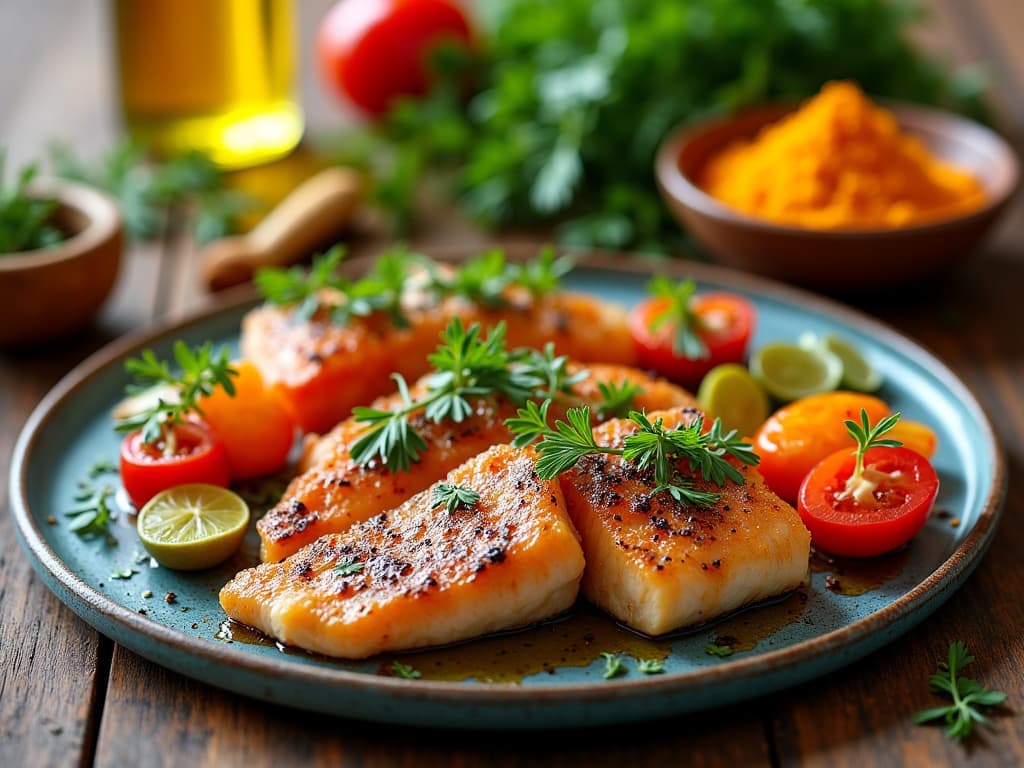
Lunch: Baked salmon over a salad with mixed greens, cherry tomatoes, cucumber, and avocado. Olive oil and lemon dressing. This is one of the most anti-inflammatory lunches measurable: high omega-3, COX-inhibiting olive oil, vitamin C from tomatoes, and antioxidants from greens.
Dinner: Turmeric-ginger chicken thighs with roasted broccoli and sweet potato. Combine turmeric, ginger, garlic, olive oil, and lemon as a marinade. All three spices have direct anti-inflammatory activity in airway tissue.
Snack: Apple with almond butter (quercetin plus magnesium), or a handful of pumpkin seeds and mixed berries.
Important note on cooking temperature: High-heat cooking of omega-6 oils generates oxidized lipids (aldehydes) that are particularly harmful to airway epithelial cells. Use olive oil or avocado oil for cooking; reserve flaxseed oil for cold applications.
The Mediterranean Diet Evidence for Asthma
The Mediterranean diet is the single best-studied dietary pattern for asthma management. A 2010 study in the American Journal of Respiratory and Critical Care Medicine found that children adhering to a Mediterranean diet had lower asthma prevalence and less bronchial hyperresponsiveness. A 2014 review of 17 studies found consistent associations between Mediterranean dietary adherence and reduced asthma risk and symptom severity across populations.
The mechanism is the combination rather than individual components: the pattern of high omega-3, high antioxidant, high fiber, low refined carbohydrate, and low pro-inflammatory fat creates a systemic environment that reduces airway reactivity across multiple pathways simultaneously.
For a broader picture of how anti-inflammatory eating fits into lung health, see our anti-inflammatory foods for lungs guide. And if you are managing multiple inflammatory conditions alongside asthma, the complete anti-inflammatory diet for beginners gives you the full framework.
Weight, Asthma, and the Inflammatory Connection
If you carry extra weight, reducing it is among the most impactful things you can do for asthma control. Adipose tissue is not metabolically inert. It secretes pro-inflammatory cytokines (leptin, IL-6, TNF-alpha) that directly worsen airway inflammation and increase bronchial hyperresponsiveness. Multiple clinical trials show that 5-10% weight reduction significantly improves FEV1, FVC, and asthma symptom control scores.
Anti-inflammatory eating tends to support weight management naturally because it eliminates the ultra-processed, calorie-dense foods that drive weight gain, without requiring calorie restriction. The inflammation reduction and weight loss benefits compound each other for asthma control.
Bottom Line
Asthma is an inflammatory disease. Chronic inflammation is profoundly influenced by diet. These two facts connect in ways that every asthma patient should understand and every asthma management plan should address.
The practical priorities are clear: three servings of fatty fish per week, extra virgin olive oil as your primary fat, daily fruits and vegetables for antioxidant support, and elimination of processed foods and seed oils that drive the leukotriene-mediated inflammation at the heart of airway reactivity.
Download Inflamous to score your current dietary pattern against the Dietary Inflammatory Index, identify your highest-impact food changes, and track how dietary shifts correlate with your day-to-day symptom control. Your airways will respond to what you feed them. Consistently anti-inflammatory eating is one of the most underutilized tools in asthma management.